

Sports have been out of action during the coronavirus lockdown, but the recovery period is a chance to redefine sporting success beyond winning and profit margins.
Articles on COVID-19 pandemic
Displaying 281 - 300 of 362 articles
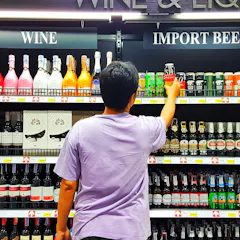
Despite World Health Organisation warnings that heavy alcohol consumption increases the risk of severe complications of COVID-19, alcohol was sold as an essential item during New Zealand’s lockdown.
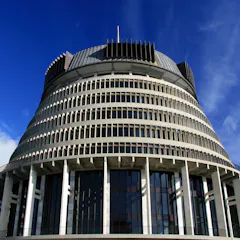
Previous shocks show that smart spending and building public confidence are crucial to the speed and shape of economic recovery.

Coronavirus-related restrictions are likely to slow but not stop the coffee business in Rwanda, which produces specialty beans sold worldwide.

From conflicts with specialised medical devices, through to unresolved problems with iPhone functionality, COVIDSafe is in need of updates. A major one may come within the next few weeks.

When urban spaces work well they are highly social spaces. How do we safely manage them and people’s fears about mingling when ‘being together but apart’ is the norm?

It’s possible to evaluate countries’ readiness to lift their lockdowns, based on how well they managed the first wave of the pandemic, and how ready they are for a digital economy.
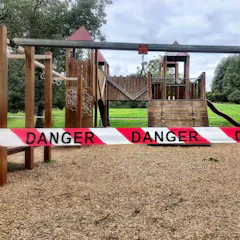
Playgrounds might have been closed, but play remains important for the social fabric of cities and for reimagining the possibilities that are open to us.

Smaller projects are better for delivering broad, long-term value to communities across the country, reducing inequality and cutting emissions, as well as quickly providing jobs and economic stimulus.
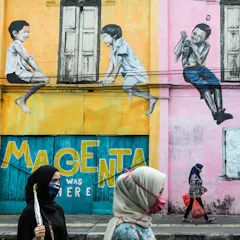
A holistic, cultural and local approach to fighting the COVID-19 pandemic is needed in Indonesia.

Temporary and tactical urbanism offers simple, low-cost solutions to make streets and other public spaces both safe and sociable during this time of physical distancing.

These online spaces are more regulated than many media reports would have you believe. And the vast majority of dark web traders are steering clear of exploiting the pandemic.
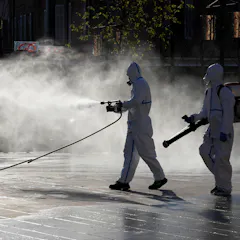
We’ve all seen the footage of people in protective suits and vehicles spraying cities to control COVID-19. But because of the way disinfectant and contamination work, it might be mostly for show.

Imagine you could only travel if you can prove COVID-19 immunity. The pandemic is already creating new social divides, and it is important we stay alert to their possible ramifications.
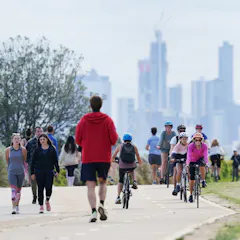
COVID-19 has upturned uses of public spaces that we took for granted. Will shifts in the regulation of these spaces lead to a change in thinking about who “owns” the city?
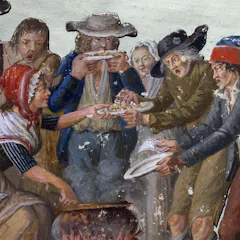
After the brief shock of food insecurity in the form of empty supermarket shelves, we might start thinking about having a Plan B and C based on local food sources and shorter supply chains.

Eating healthy food, exercising regularly and reducing stress are all measures we can take to stay as healthy as possible to fight off infection while we wait for a coronavirus vaccine.
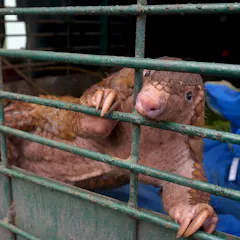
Covid-19, like other major epidemics, is not unrelated to the biodiversity and climate crisis we are experiencing.
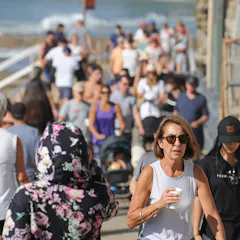
We’ve all seen the increases in people walking and cycling on shared paths so crowded it’s almost impossible to maintain physical distancing. This must be fixed, and quickly.

Three graphs of mortality data tell the story of the direction the UK and the world are heading in after the peak of the coronavirus outbreak.
Top contributors
-

Professor in Applied Mathematics, University of Canterbury
-
Professor of Public Health, University of Otago
-
Adjunct professor, Te Herenga Waka — Victoria University of Wellington
-
Associate professor, University of Canterbury
-
Professor of Public Health, University of Otago
-
Research assistant, University of Auckland, Waipapa Taumata Rau
-
Research Associate Professor of Public Health, University of Otago
-
Senior Lecturer, University of Auckland, Waipapa Taumata Rau
-
Professor and Director, Mitchell Institute, Victoria University
-
Associate Professor, Epidemiology and Environmental Health, University of Canterbury
-
Assistant Professor of History, University of Pittsburgh
-
University Professor of Sociology, Syracuse University
-
Professor of Biostatistics and Epidemiology, Adelaide University
-
Research scientist in mathematical modelling, Manaaki Whenua - Landcare Research
-
Research scientist, Manaaki Whenua - Landcare Research