
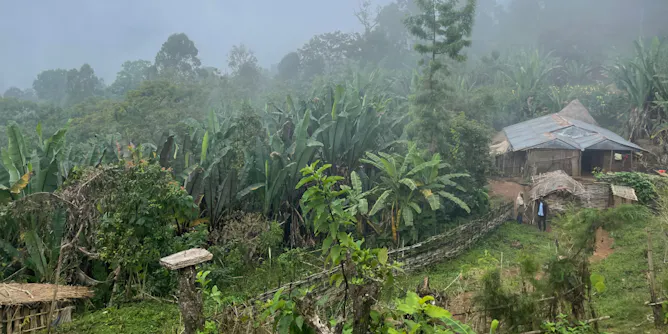
Ethiopia’s protected areas conserve almost 10% of the country, but new research has found that people living near nature reserves may be more likely to go hungry.
Articles on Convention on Biodiversity
Displaying all articles
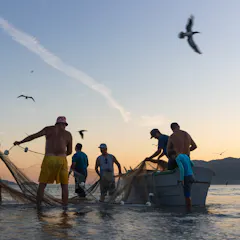
Human rights law could be used to make sure countries abide by the agreement made at the COP15 summit.
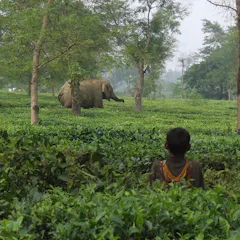
Human-wildlife conflict can undermine public support for conservation.

China’s international lending projects have big potential impacts on oceans and coasts. By cooperating more closely with host countries, Beijing can make those projects more sustainable.
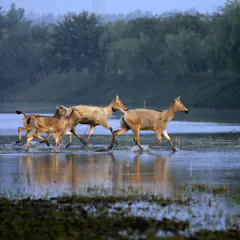
China has rich natural resources and is seeking to play a leadership role in global conservation, but its economic goals often take priority over protecting lands and wildlife.
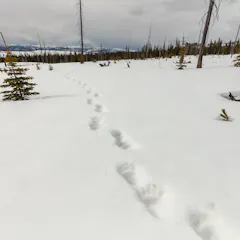
Parks and refuges are important for conservation, but without connections, they’re like islands. Linking them by protecting land in between makes it possible for wildlife to move over bigger areas.

Through its Belt and Road Initiative, China has become the world’s largest country-to-country lender. A new study shows that more than half of its loans threaten sensitive lands or Indigenous people.

One-fifth of Earth’s land could be restored to wilderness by reintroducing animals and improving management.
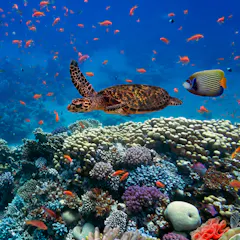
The world missed all 20 targets for stemming the tide of biodiversity loss. But there has been some progress over the last decade.
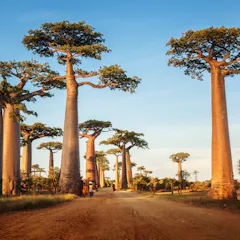
Without an array of ecosystems and species, it’s tough for farmers to grow crops or ranchers to raise animals.
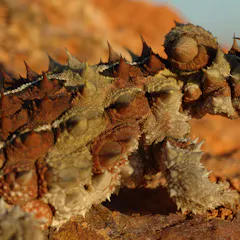
Most of Australia’s plants and animals are found nowhere else on Earth. This remarkable biodiversity requires a bolder, brighter conservation vision.
Top contributors
-

Senior Academic Researcher in Global Development Policy, Boston University
-
Instructor, Harvard Extension School, Harvard University
-
Professor in Terrestrial Ecology, Deakin University
-
Adjunct Asssociate Professor, James Cook University
-
Professor in Wildlife Ecology and Conservation, School of Life & Environmental Sciences, Deakin University
-
Vice-President, Ecological Society of Australia, Queensland University of Technology
-
Assistant Professor of Economics, Colorado State University
-
PhD Candidate, Curtin University
-
Plant Ecologist, La Trobe University
-
Professor of Economics, Colorado State University
-
Associate Professor of Behavioural Ecology, Curtin University
-
Researcher in Sustainability Science, Stockholm University
-
Professor in Ecology, Charles Sturt University
-
Key Biodiversity Areas Secretariat, Cambridge Conservation Institute, University of Cambridge
-
Distinguished Professor of Conservation Biology & Policy, University of Montana