
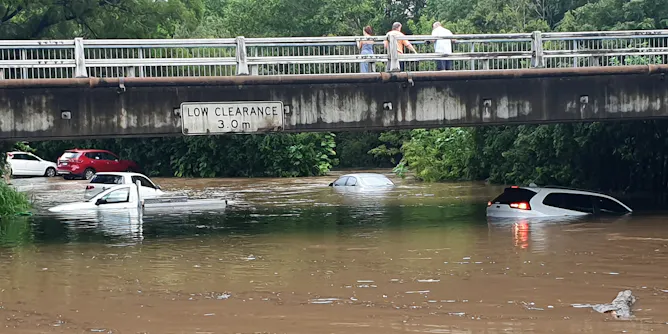
Fear and Wonder is a new climate podcast, brought to you by The Conversation, and sponsored by the Climate Council. In episode four, we discuss how climate change is affecting the water cycle.
Articles on Climate science
Displaying 121 - 140 of 334 articles
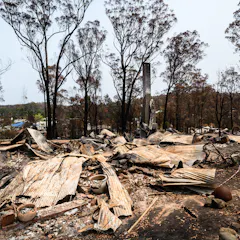
Fear and Wonder is a new climate podcast, brought to you by The Conversation, and sponsored by the Climate Council. In episode three, we discuss the latest advances in extreme weather attribution.
Fear and Wonder is a new climate podcast, brought to you by The Conversation, and sponsored by the Climate Council. In episode two, we discuss the latest advances for measuring climate change.
Climate models embed colonial attitudes and massive inequality.
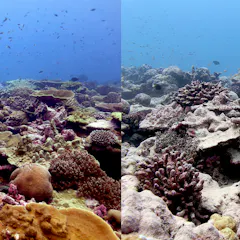
Fear and Wonder is a new climate podcast, brought to you by The Conversation, and sponsored by the Climate Council. In episode one, we discuss how scientists know the climate is changing.
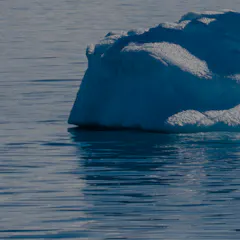
Fear and Wonder is a new climate podcast, brought to you by The Conversation, and sponsored by the Climate Council.
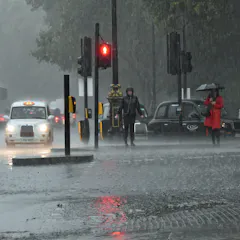
A supercomputer spent six months projecting localised rainfall extremes decades into the future.
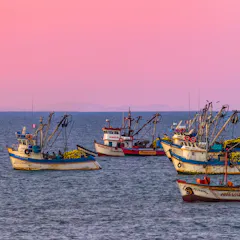
The Pacific Ocean climate pattern is the opposite of El Niño.

Evidence in Earth’s natural archives, from tree rings to seafloor sediments, points to one trend. Some climate models suggest another.

We’re rarely aware of a company’s full environmental footprint.

Atmospheric rivers can melt fragile new sea ice. When these storms arrive in waves, the sea ice doesn’t have a chance to recover.
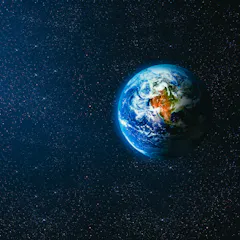
Mountaineer and scientist Will Steffen said climbing was similar to science: “That’s the buzz you get in science when you solve a big problem and suddenly see how it all fits together”
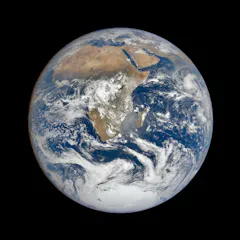
A new image has been taken of the whole Earth 50 years after the first - revealing noticeable changes to its surface.
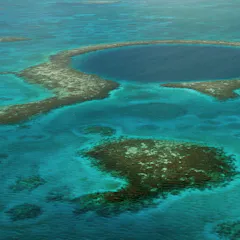
A look back at hurricane history suggests we may be significantly underestimating future risks.
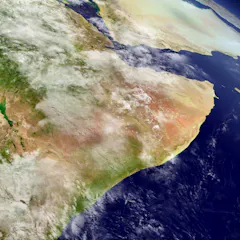
High intensity rain has actually increased, which is topping up underground water stores.

Switzerland’s glaciers just lost 6% of their ice in a single year.
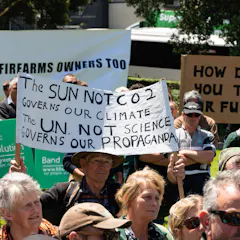
The findings of a new study suggest mistrust in climate science and uncritical faith in “alternative science” lead people to reject consensus science and generate alternative explanations.
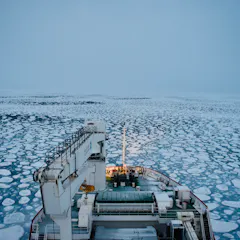
The place where oceans turn into ice holds the key to understanding some of the complex interactions of Earth’s climate. Thankfully, we’re making progress.
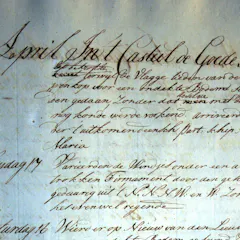
A project to transcribe Dutch colonial records of the weather in Cape Town can benefit modelling of future climate scenarios and assist in forecasting weather now.
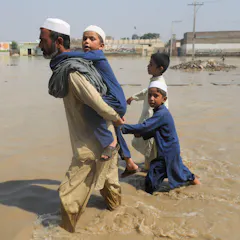
There are three key ways climate change probably made these floods worse.
Top contributors
-

Honorary Associate Professor of Climate Science, The University of Melbourne
-
Host + Producer, The Conversation
-
ARC Future Fellow and Associate Professor in Climate Science, ARC Centre of Excellence for 21st Century Weather, The University of Melbourne
-
Deputy Director, Engagement and Impact, The ARC Centre of Excellence for the Weather of the 21st Century, Australian National University
-
Senior Research Fellow, Melbourne School of Psychological Sciences, The University of Melbourne
-
Senior Research Associate in Meteorology, University of Bristol
-
ARC DECRA Fellow, UNSW
-
Director, ARC Centre of Excellence for the Weather of the 21st Century, Monash University
-
Professor of Earth System Science, UCL
-
Associate Professor, ARC Centre of Excellence for Weather of the 21st Century, Monash University
-
Professor Emeritus in Climate Science, The University of Melbourne
-
Professor of Atmospheric Sciences, Climate Change Research Centre, UNSW
-
Pro Vice-Chancellor of Research, University of Technology Sydney
-
Chair Professor, Climate Change Research Centre, UNSW
-
Professor of Physical Climate Change; Director of the Priestley Centre for Climate Futures, University of Leeds