
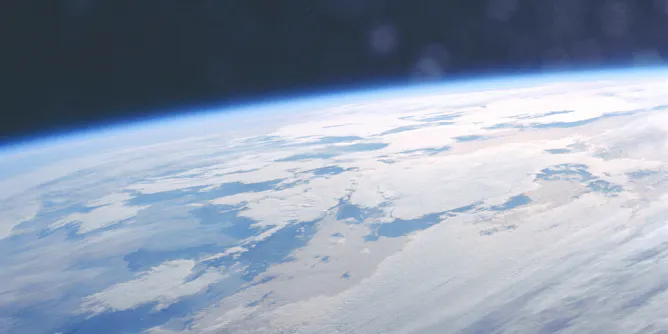
Something extraordinary is happening above Antarctica, and it might bring unusual weather to the southern hemisphere for months to come.
Articles on Climate science
Displaying 81 - 100 of 334 articles
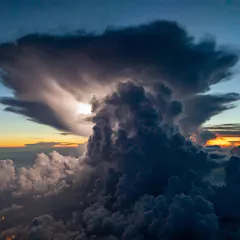
Record heat, storms and floods reveal new extremes made possible by climate change.
The IPCC has set the agenda for global climate policy. No wonder countries are keen to influence its next round of reports.
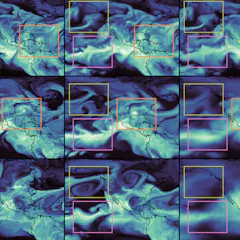
By combining traditional weather modelling with machine learning, a new model promises to make high-quality forecasts much cheaper to produce.

New finding adds uncertainty to projections of how the climate will change in future.
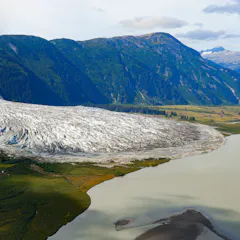
The Juneau Icefield may now keep melting even if global warming stopped.
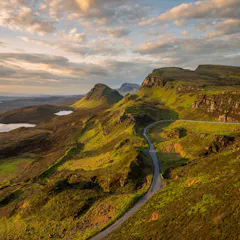
Everyone in the UK said June 2024 felt cold and miserable. But it was barely below the long-term average.
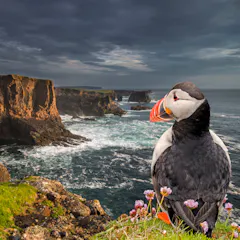
A weather station in the Shetland Islands has one of the world’s best-preserved long records of atmospheric electricity.
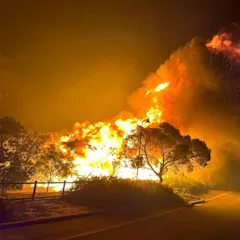
If currently implemented policies are continued with no increase in ambition, there is a 90% chance that the Earth will warm between 2.3°C and 4.5°C, with a best estimate of 3.5°C.
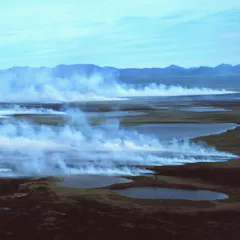
Our work shows they may be caused by spontaneous combustion triggered by sudden climate change.

Tens of millions of people have been exposed to conditions that threaten their health.
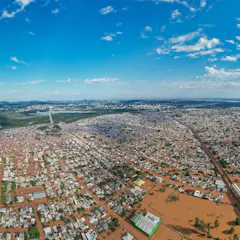
‘Flying rivers’ of moist air from the Amazon combined with a warming planet have the potential to produce more rain, say scientists.
On a regional scale, global warming exceeded the Paris agreement’s upper climate target in the northern hemisphere.
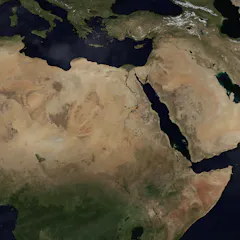
The climate ‘flickered’ between wet and dry, before finally drying out for good.
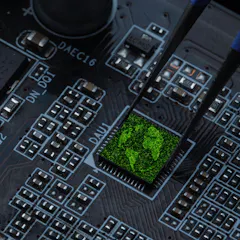
These are some of the most complex and important pieces of software ever written.
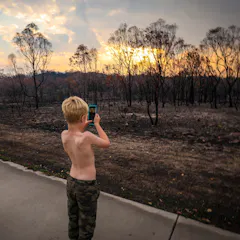
The result shows climate change education in schools must become more holistic and empowering, and children should be allowed to shape the future they will inherit.

Climate scientists have simulated Arrakis as a desert and with its long-lost oceans.
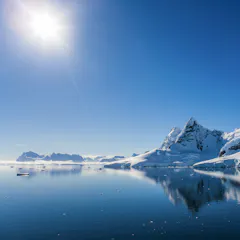
To narrow our predictions of global sea level rise, we need to know more about these sudden ‘non-linear’ changes to ice sheets.

Undersea ‘fire-ice’ is vulnerable to leaking greenhouse gas, finds new study.
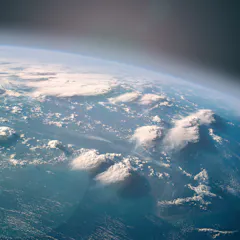
Is reaching net zero emissions by 2050 enough to halt warming? One leading scientist says no.
Top contributors
-

Honorary Associate Professor of Climate Science, The University of Melbourne
-
Host + Producer, The Conversation
-
ARC Future Fellow and Associate Professor in Climate Science, ARC Centre of Excellence for 21st Century Weather, The University of Melbourne
-
Deputy Director, Engagement and Impact, The ARC Centre of Excellence for the Weather of the 21st Century, Australian National University
-
Senior Research Fellow, Melbourne School of Psychological Sciences, The University of Melbourne
-
Senior Research Associate in Meteorology, University of Bristol
-
ARC DECRA Fellow, UNSW
-
Director, ARC Centre of Excellence for the Weather of the 21st Century, Monash University
-
Professor of Earth System Science, UCL
-
Associate Professor, ARC Centre of Excellence for Weather of the 21st Century, Monash University
-
Professor Emeritus in Climate Science, The University of Melbourne
-
Professor of Atmospheric Sciences, Climate Change Research Centre, UNSW
-
Pro Vice-Chancellor of Research, University of Technology Sydney
-
Chair Professor, Climate Change Research Centre, UNSW
-
Professor of Physical Climate Change; Director of the Priestley Centre for Climate Futures, University of Leeds