

A lack of food is not the only cause of malnutrition. Poverty, disease, poor sanitation, climate pressures and limited access to healthcare also shape it.
Articles on Childhood stunting
Displaying 1 - 20 of 38 articles
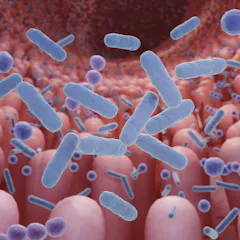
Microbiomes influence how efficiently a child’s body extracts and uses nutrients from food for growth and development.
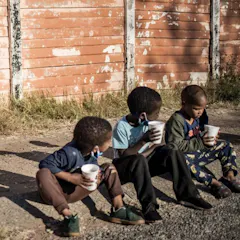
Fragmentation of services is a barrier in addressing severe child poverty.

The link between household food insecurity and child malnutrition is stark: 28.8% of South African children under five suffer from stunting.
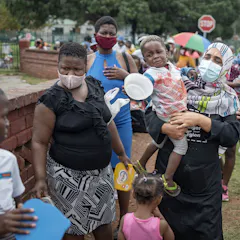
Food shortages are not the cause of hunger in South Africa. The country produces and imports all the food it needs.

Both stunting and obesity create a cost to the economy.
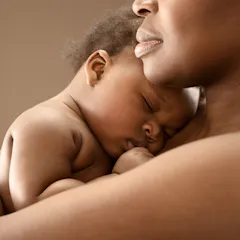
Mental health needs for pregnant women and mothers with newborn babies are being recognised at last in South Africa.
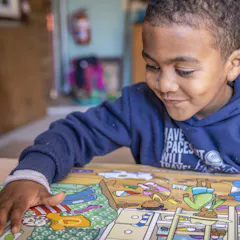
Ten years ago South Africa committed to invest in its young children. This vision has not been realised.

South Africa’s national survey of food and nutrition security identifies the areas most in need.
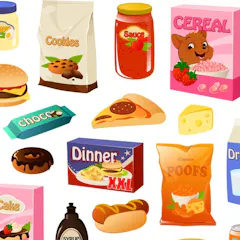
Financial links between corporations and health research invariably lead to conflicts of interest.

The president’s speech couldn’t cover up for the fact that the last five years have been among the most difficult for ordinary South Africans.
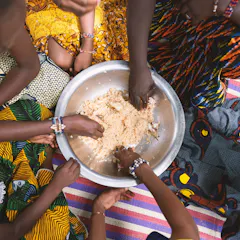
Using simple behavioural science models can help programmes to understand people’s lives and how to design nutrition interventions that directly benefit them.
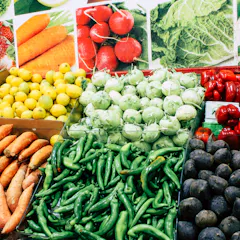
The inequitable distribution of the benefits and harms of the food system is a violation of the constitutional right to food.

Child malnutrition is no stranger to high-income countries. In Canada and the U.S., food insecurity affects one in six children under 18, but policies to address the issue are still lacking.
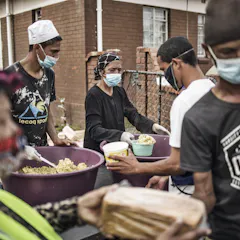
Problems caused by malnutrition - such as obesity - are on the rise in South Africa, with serious health consequences.
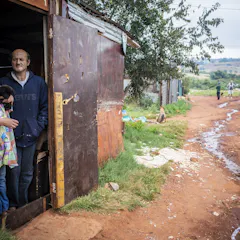
There is no substance to the view that poor people are lazy and prefer to live on handouts from the state rather than seek work.
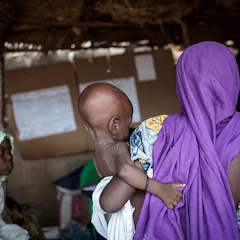
Nutrition for kids is key to achieving economic development.

Hunger is not the cause of the current social upheaval. But, taken along with other deep-rooted structural inequalities, it provides additional fuel for socio-political conflagration.
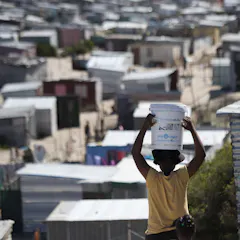
Harsh socio-environmental factors, especially when they happen in the early years of a child’s life, can establish a developmental “biology of misfortune”.
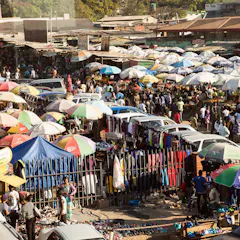
As the global South transitions to a predominantly urban future, food offers a way to understand the role of cities in future development.
Top contributors
-

Director DST-NRF Centre of Excellence in Food Security, University of the Western Cape
-
Research Fellow, Institute of Development Studies
-
Professor and Chief specialist scientist, South African Medical Research Council
-
Professor of Practice, Human Sciences Research Council
-
PhD researcher, University of Cape Town
-
Professor in the Institute for Life Course Health Research, Department of Global Health, Stellenbosch University
-
Lecturer in Comparative Human Biology, University of Cambridge
-
Senior Lecturer | Global Health, UNSW
-
Professor of Social Development Studies, University of Johannesburg
-
Post-doctoral researcher, South African Medical Research Council
-
DSTI/NRF Research Chair in Welfare and Social Development, University of Johannesburg
-
CIGI chair in Gloal Migration and Development, Professor of Geography and Enviromental Studies, Wilfrid Laurier University
-
Researcher at the African Centre for Cities, University of Cape Town
-
Research fellow, Imperial College London
-
Senior researcher, Children's Institute, University of Cape Town