
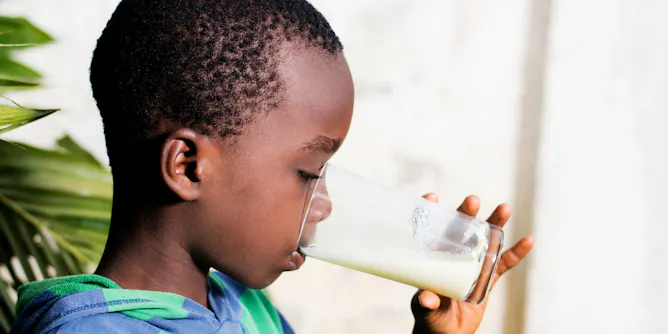
Poor nutrition stunts children’s growth and hollows out their life chances.
Articles on Childhood stunting
Displaying 21 - 38 of 38 articles
There is no clear delineation of roles and responsibilities relating to the integration of clean water, sanitation, safe hygiene and nutritional status.
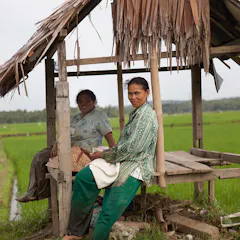
Despite the poverty rate falling, 30.8% of children are still undernourished.
A third of South African children live below the food poverty line. The fact that many caregivers can’t work because of the lockdown will worsen food insecurity. Here’s what needs to be done.

The health and rights of children and adolescents, particularly the most marginalised and vulnerable, are under immediate threat from climate change, corporate actors and growing inequities.
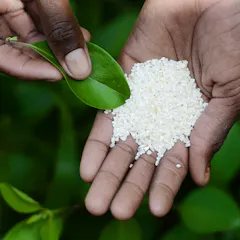
Nigeria has an alarming number of stunted children. This can hold back the country’s long-term productivity if there is no intervention.
South Africa has made significant progress with some of the sustainable development goal targets. But with others its lagging far behind.
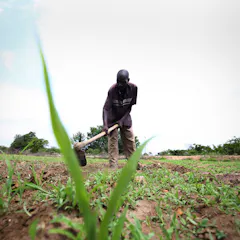
There have been a variety of approaches to tackle malnutrition. The continent needs to learn from past mistakes across the world.
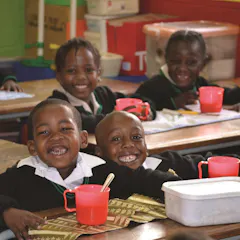
South African learners receiving two meals, despite being from arguably poorer backgrounds, had statistically significantly lower stunting levels than children receiving only one meal.

Tackling the challenge of stunting in South Africa needs a convergence of science and policy along with better coordination at all levels of government.
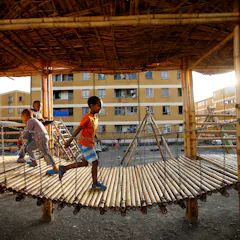
Poor childhood conditions, such as exposure to poverty and stunting, are associated with long-term disadvantages to health, education, social adjustment and earnings.
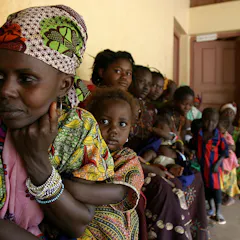
An index developed to gauge progress towards the sustainable development goals and their targets shows that nine of the world’s worst performing countries are in Africa.
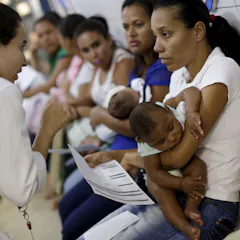
There are several lessons that the world can learn from Brazil about how to rapidly reduce child stunting in 10 years.
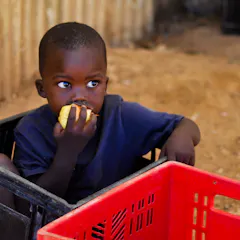
Inequalities in the nutritional status of poor and rich have been mitigated through various social protection policies, but children in South Africa remain at risk of malnutrition.
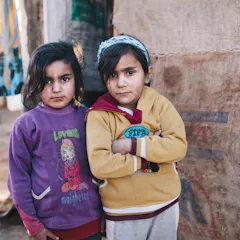
Adults who had a low birthweight or were undernourished as young children are more likely to experience high blood pressure and obesity.
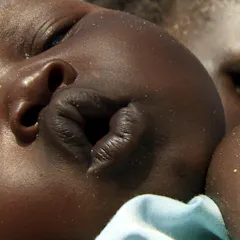
Over the last three years Kenya has seen marked improvements in its nutrition-related targets as a result of a national nutrition plan it has implemented.
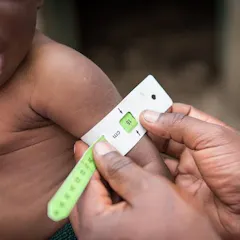
Research around the importance of the first 1000 days has been gaining traction. The latest links stunting to malnutrition in children.

There are two extremes of malnutrition at play among South Africa’s youth - both under nutrition and over nutrition.
Top contributors
-

Director DST-NRF Centre of Excellence in Food Security, University of the Western Cape
-
Research Fellow, Institute of Development Studies
-
Professor and Chief specialist scientist, South African Medical Research Council
-
Professor of Practice, Human Sciences Research Council
-
PhD researcher, University of Cape Town
-
Professor in the Institute for Life Course Health Research, Department of Global Health, Stellenbosch University
-
Lecturer in Comparative Human Biology, University of Cambridge
-
Senior Lecturer | Global Health, UNSW
-
Professor of Social Development Studies, University of Johannesburg
-
Post-doctoral researcher, South African Medical Research Council
-
DSTI/NRF Research Chair in Welfare and Social Development, University of Johannesburg
-
CIGI chair in Gloal Migration and Development, Professor of Geography and Enviromental Studies, Wilfrid Laurier University
-
Researcher at the African Centre for Cities, University of Cape Town
-
Research fellow, Imperial College London
-
Senior researcher, Children's Institute, University of Cape Town