
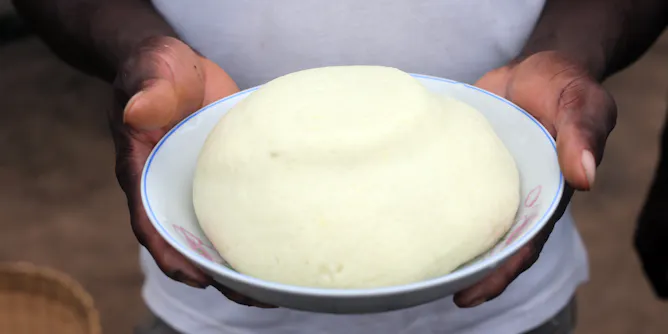
The preparation of ancient meals in prehistoric West Africa combined vegetables, pulses, tubers and, possibly, herbs and spices.
Articles on Archaeology
Displaying 301 - 320 of 670 articles
Promoting and practicing ethical research that includes the people who live in the area today is as important to the archaeological team as learning more about the lives of the ancient inhabitants.
Human waste created the landscape for a medieval Indian Ocean trading port and may eventually have led to its demise.
Scientists have uncovered Roman farms beneath what was thought to be prehistoric forest in France.
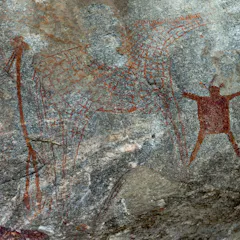
A new study doubles the age of ancient DNA in sub-Saharan Africa, revealing how people moved, mingled and had children together over the last 50,000 years.

Winner of the Olive Schreiner Prize, What Happens was inspired by the discovery of a slave burial site.
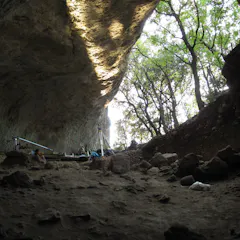
Stone artifacts and a fossil tooth point to Homo sapiens living at Grotte Mandrin 54,000 years ago, at a time when Neanderthals were still living in Europe.
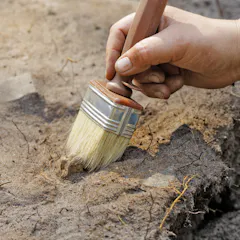
The objects buried with people provide important clues about their lives.
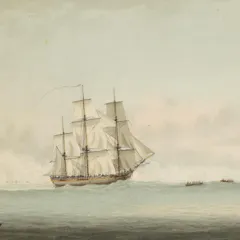
I have worked on many shipwreck investigations and have been involved in the discovery of a couple of shipwreck sites of this period. Here’s what’s usually involved in identifying a ship.
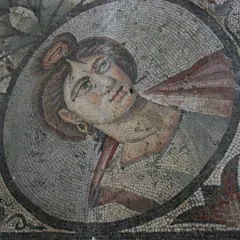
Increasing rainfall and degrading peatland are threatening archaeological artefacts buried in UK land.

When a hunk of space junk smashes into the Moon in a few weeks, it will join a long history of lunar collisions.

All over Europe, early medieval graves look like they were robbed long ago. But new research suggests that relatives re-opened them to take out heirlooms and make connections with the dead.
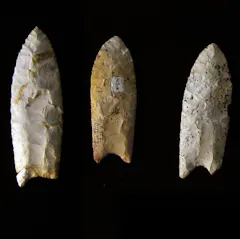
The stone age saw a pattern where technologies like spears, fire and bows were invented once, then spread
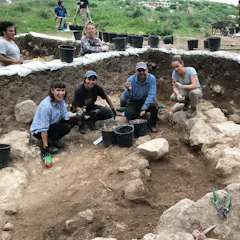
An archaeological dig is the holiday experience of a lifetime. And as you learn more skills, the rewards grow.
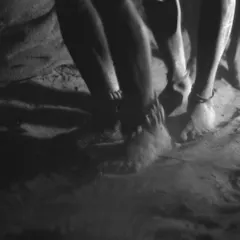
The moth cocoons are the first archaeological evidence of shamanic ritual paraphernalia in southern Africa.

Scientists can be asked to help find solutions during disasters. A study of how archaeologists worked on the problem of looting during the Syrian war offers lessons for science done during crisis.

This history covers twelve decades, from the surrender of Boer guerrillas in the Second Anglo-Boer War in 1902 to the July 2021 looting spree and violence.
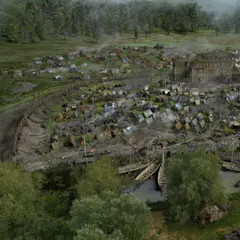
Viking camps across western Europe were carefully planned and organised venues, offering their occupants much more than just a place to safely rest their heads.
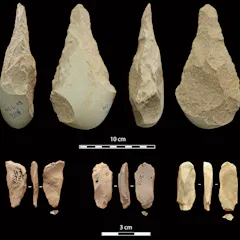
Knowing that our North African ancestors were making handaxes helps scientists to understand how our human ancestors spread across the African continent.
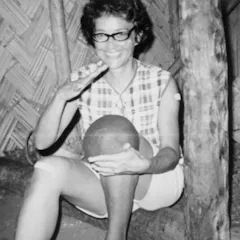
‘Wives’, volunteers, assistants: the vital contribution of women archaeologists has long been underplayed, if not erased. A new project uncovers trailblazers in the Pacific.
Top contributors
-

Professor of Environmental and Geographical Sciences, Bournemouth University; University of Reading
-
PhD Candidate, Anthropology and Archaeology, University of Bristol
-
Associate Professor of Archaeology, Griffith University
-
Professor in Geochronology and Geochemistry, Southern Cross University
-
Director, ARC Centre of Excellence for Transforming Human Origins Research, Griffith University
-
Professor of Archaeology and Biological Anthropology, School of Social Science, The University of Queensland
-
Professor of Archaeology, Griffith University
-
Associate Professor and Director, Flinders Microarchaeology Laboratory, Flinders University
-
Curator of Human Evolution of the Cleveland Museum of Natural History and Research Assistant Professor of Anthropology, Stony Brook University (The State University of New York)
-
Senior Lecturer, University of Mpumalanga
-
Honorary Professor, Archaeology, The University of Queensland
-
Honorary Associate Professor, UNSW
-
Associate professor, University of Johannesburg
-
Postdoctoral fellow, University of Tübingen
-
Associate Professor of Anthropology, Rice University