

Algorithms can now work out the best ways to lay out rooms, construct buildings and even change them over time to meet user needs.
Articles on Algorithm
Displaying 161 - 180 of 295 articles

Algorithms can take much of the hard work out of tough decisions. But to avoid problems like the Robodebt debacle or unfair parole rulings, we need to ensure machines operate with human-like ethics.
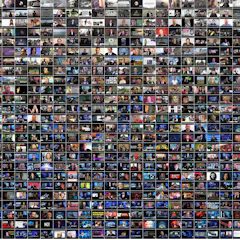
Researchers have been able to track how radical communities on the fringes of the web essentially manufacture conspiracy theories.
Facebook’s algorithms are designed to encourage reminiscence and reconnection. But in the wake of a breakup, we don’t always want those things.

Remember when websites didn’t rely on user data for profit margins, when values like anonymity and transparency were celebrated?

The use of online health platforms is on the rise, allowing us to track and share our personal data. While such platforms have promise, significant scientific, ethical and privacy questions remains.

States are increasingly turning to machine learning and algorithms to detect fraud in food stamps, Medicaid and other welfare programs – despite little evidence of actual fraud.
No one knows exactly how AI-based DNA analysis software works, so it can’t be scrutinised in court.

Algorithmic forces fuel cancel culture. Paradoxically, they’re also used to rehabilitate those who have been canceled.

Scientists are arguing over how YouTube might help turn people into extremists.

A paper published by researchers at Google claimed that they had achieved computing quantum supremacy, but leaks and counter-claims have created a stir.
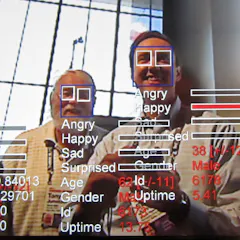
A report calls for banning the use of emotion recognition technology. An AI and computer vision researcher explains the potential and why there’s growing concern.
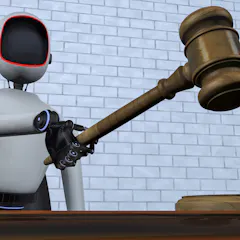
A machine learning expert predicts a new balance between human and machine intelligence is on the horizon. For that to be good news, researchers need to figure out how to design algorithms that are fair.

An AI trained to look at heart scans was able to successfully predict risk of death. But one expert cautions we still need to be careful about designing – and using – AI for medical diagnosis.

Personal data is valued primarily because data can be turned into a private asset. That has significant implications for political and societal choices.

Some initiatives aim to develop more ethical and equitable models.

Algorithms can amplify toxic content, but the problems start in human communities.

Of the countries we looked at, all have seen an increase in subjective happiness since the 1970s.

The fundamental problem with AI is it is often riddled with society’s existing biases and prejudices.

A key element of the battle between truth and propaganda has nothing to do with technology. It has to do with how people are much more likely to accept something if it confirms their beliefs.
Top contributors
-

Professor of Informatics and Computer Science, Indiana University
-
Professor of Information Systems, Michigan State University
-
Senior Research Associate in Media and Communications, University of Sydney
-
Professor in Business Information Systems, University of Sydney
-
Professor of Data Science; Director, Adelaide Data Science Centre, Adelaide University
-
Professor of Computer Science and Director of the Art & AI Lab, Rutgers University
-
Associate Professor in Digital Media, Queensland University of Technology
-
Senior Lecturer in Public Policy and Politics, UNSW
-
Head of Art and Design, University of Hertfordshire
-
University of Hertfordshire
-
Lecturer in Computer Science/Co-founder Women Leading in AI, Keele University
-
Scientia Professor of Evolution, UNSW
-
Professor, Real Estate, Université du Québec à Montréal (UQAM)
-
Professor of Strategic Design, Queensland University of Technology
-
Visiting researcher, Alan Turing Institute