
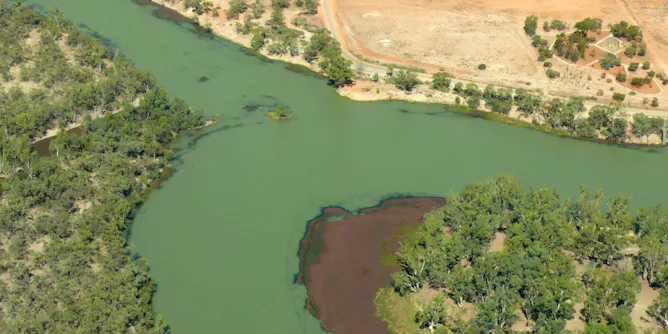
Algae blooms have killed hundreds of thousands of fish in the last two weeks, but what exactly are they and how do we get them under control?
Articles on Algae
Displaying 61 - 80 of 100 articles

Red tide and a blue-green algae outbreak are fouling hundreds of miles of coast, killing fish and driving tourists away from beaches. Some of the causes are natural, but human actions play a big role.
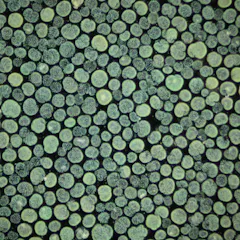
Did you recently hear news that Earth’s oldest pigments were hot pink? That’s not quite right. When they were in living bacteria a billion years ago, they were performing photosynthesis – and green.
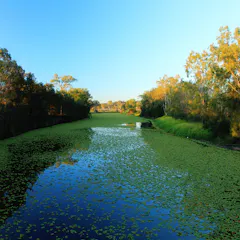
A toxic chemical produced by algae and linked to motor neuron disease has been detected in NSW rivers. Its presence - long suspected but now confirmed - could be linked to a disease hotspot in the Riverina.

The ocean is getting warmer and more acidic but changing our diet could help us cope.
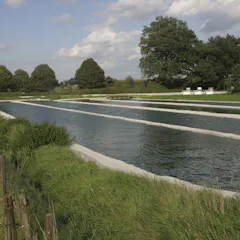
Scientists and government agencies have been studying biofuel production from algae for years. Research points toward a more affordable and efficient production process that recycles water.
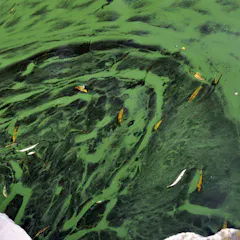
The right kind of algae can be converted to biofuel, and there are potential side benefits for carbon capture.
The climate change-mitigating dream turns out to be a green damp squib.

Nitrogen and phosphorus are polluting US waters, creating algae blooms and dead zones. New research confirms that voluntary steps are failing in the Gulf of Mexico and unlikely to work in Lake Erie.
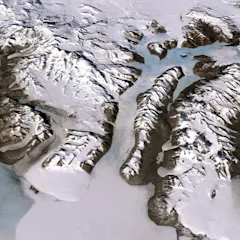
Melting ice from Antartica could feed vast plankton blooms, trapping carbon in the ocean. To understand this complex mechanism, researchers looked at volcanoes deep under glaciers.
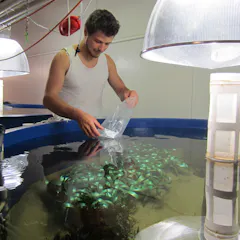
A new study suggests the benefits of a boost to marine plant growth from increased carbon dioxide will be cancelled out by the increased stress to fish species.

Four organisms that show nature isn’t so easily categorised.

Just like humans, corals live with myriad microscopic organisms. We are just starting to understand this unseen world.
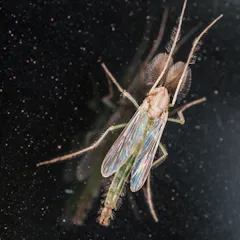
Populations of certain species collapse long before a wider ecological disaster, says new research.

They give us part of the air we breathe but microscopic phytoplankton can also be toxic. They are also on the move thanks to climate change so a new Australian database hopes to monitor any changes.

An estimated one-third of corals have now died in the parts of the Great Barrier Reef hit hardest by bleaching, meaning recovery could take years or even decades.

The economics of making biofuels from algae no longer add up, but a lesson from the oil industry could make them viable.
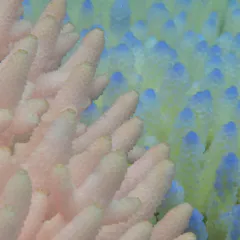
The bleaching hitting the Great Barrier Reef not only harms corals. As these close-up photos show, it also deprives many other species of a home and livelihood.
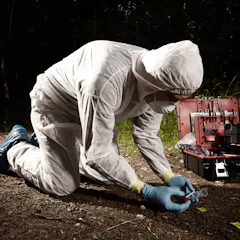
We are only just starting to understand the potential of microscopic algae as forensic evidence.
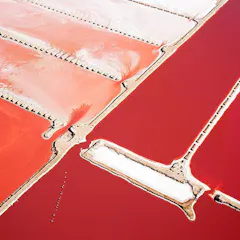
We have the technology to make oil from algae, rather than digging up crude oil from organisms that lived billions of years ago. But bringing it to market will take a force of economic and political will.
Top contributors
-

Professor Emeritus of Environment and Sustainability, University of Michigan
-
Professor of Microbiology, University of Tennessee
-
Research Associate in Plant Biotechnology, University of Cambridge
-
Professor of Ecology, University of Southampton
-
Professor, Queensland University of Technology
-
Honorary Research Associate in Biological Sciences, University of Sydney
-
NRF-DST Research Fellow; Researcher, Department of Chemistry and Polymer Science, Stellenbosch University
-
Professor and Deputy Vice-Chancellor (Research), University of Sydney
-
Professor, Director of Florida Sea Grant, University of Florida
-
Professor, Department of Earth and Planetary Sciences, Weizmann Institute of Science
-
Professor of Ocean Biogeochemistry and Palaeoclimate, The Open University
-
Professor, Marine Biology, Adelaide University
-
Senior Lecturer in Geoenergy, Durham University
-
Associate Professor in Sustainability, University of Sydney
-
Lecturer, UNSW