
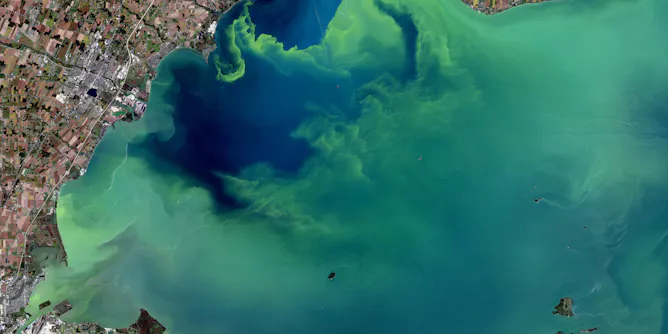
Many of the excess nutrients causing algal blooms in Lake Erie come from nearby farms, and the challenge is keeping them out of waterways.
Articles on Algal bloom
Displaying 1 - 20 of 32 articles
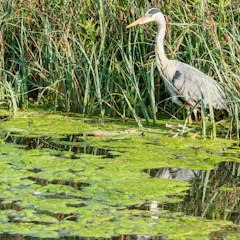
Hot weather accelerates toxic algal blooms, but nutrient pollution provides the fuel.
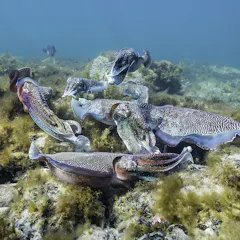
By late June, the animals should be well and truly aggregating. In short, the cuttlefish have simply failed to turn up.
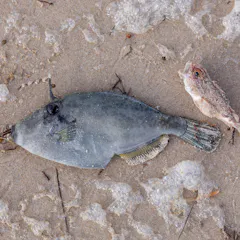
A new Australian-led study examined what makes the Karenia cristata algae so deadly.

Algal blooms are not maintenance failures requiring paint or treatment with hydrogen peroxide and nanobubbles. They are ecological warning signs.
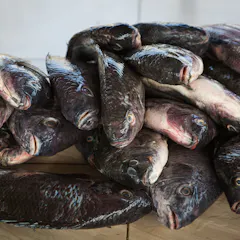
Navigating the benefits and risks of eating fish is a daily concern for consumers in Kenya due to persistent environmental pollution. How much are they influenced by nutritional labelling and guidelines?
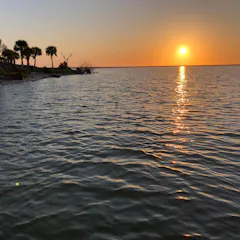
After years of collapse, seagrass in Florida’s Mosquito Lagoon rebounded unexpectedly following 2022 hurricanes, offering new insight into ecosystem resilience.
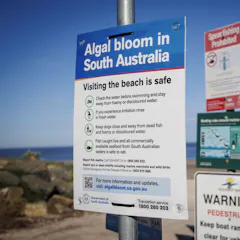
Wave action can produce aerosol droplets containing brevetoxins, and people with asthma are at risk.
South Australians are heartbroken about the state’s unprecedented algal bloom. But eating oysters, donating shells and restoring lost reefs will boost ocean health.
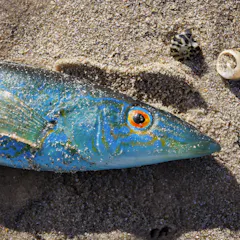
It’s one of Australia’s worst underwater environmental catastrophes. What’s going to happen to South Australia’s vast algal bloom as summer heat warms the ocean?
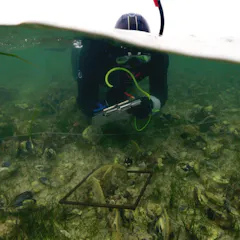
The persistent harmful algal bloom in South Australia is an opportunity to experiment with solutions, but the best approach is helping nature to help itself.
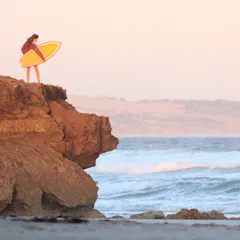
South Australia’s algal bloom is stopping people from swimming, surfing and fishing in their usual spots – and the impact on mental health can be profound.
The SA government has convened an emergency meeting today to discuss taking cuttlefish eggs from the wild, due to the impending threat of the algal bloom which could wipe them out forever.
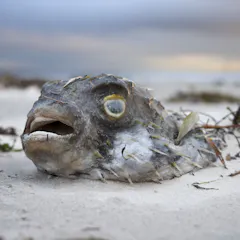
Preliminary results from computer modelling suggests the harmful algal bloom that has been killing marine life will return with a vengeance after winter and spread.
The algal bloom in SA is a warning to coastal communities, as well as tourism, seafood and aquaculture industries. It’s a sign of what’s to come as the oceans warm.

South Africa’s rural wastewater treatment plants release polluted water if they aren’t maintained properly. Microalgae that purify the water could be a solution.
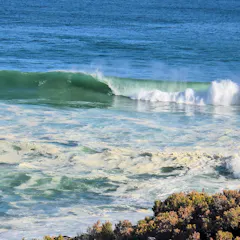
A harmful algal bloom of Karenia mikimotoi made dozens of surfers sick and killed seadragons, fish and octopuses on two South Australian beaches.
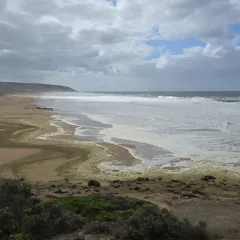
Sea foam is a health hazard. These bacterial smoothies can contain more harmful pathogens than a sewage treatment plant – and you wouldn’t go swimming in sewage.

The spectacular landscapes and pristine waters of the north shore of Lake Superior, which once provided inspiration for the Group of Seven, are now vulnerable to algal blooms.
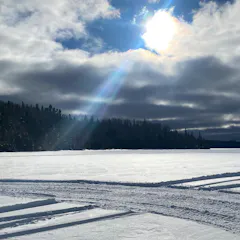
Canadians are no strangers to cold winters, when everything in nature appears to be frozen solid. However, under the ice cover of lakes, many animals remain active during the winter.
Top contributors
-

Postdoctoral researcher, marine ecology, Adelaide University
-
Chancellor's Postdoctoral Research Fellow, School of Life Sciences, University of Technology Sydney
-
Associate Professor and Marine Ecologist, Adelaide University
-
Professor; Faculty of Science, University of Technology Sydney
-
Professor, Sustainable Marine Futures, Environment Institute, Adelaide University
-
Adjunct professor, University of Tasmania
-
PhD Candidate, University of Technology Sydney
-
Assistant Professor, School of Energy, Geoscience, Infrastructure and Society // CEO MarFishEco Fisheries Consultant Ltd, Heriot-Watt University
-
Research Associate, Faculty of Science, University of Technology Sydney
-
Associate professor, University of Sydney
-
Oceanógrafo, Barcelona Supercomputing Center-Centro Nacional de Supercomputación (BSC-CNS)
-
Associate Professor, School of Chemistry and Molecular Biosciences, The University of Queensland
-
Senior Scientist, Department of Plant Sciences, Weizmann Institute of Science
-
Professor, Institute for Marine and Antarctic Studies, University of Tasmania
-
Professor, Department of Earth and Planetary Sciences, Weizmann Institute of Science