
Our study found that people with at least three metabolic syndrome risk factors had brains that looked one year older than their actual age on average.
Health – Articles, Analysis, Comment
Displaying 201 - 225 of 7482 articles

World Cup interceptions reveal how the brain predicts movement, how the body responds and what changes when fatigue sets in.
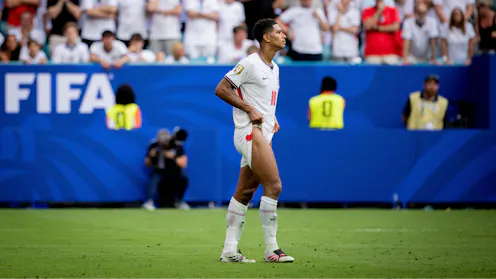
The England midfielder’s prominent veins probably reflect elite training, but, for the rest of us, visible veins can sometimes indicate a medical problem.

Beetroot juice might be able to boost sprint speed, power and endurance, and could even help people with COPD.

Simonetta Vespucci died suddenly at 23. Centuries later, her portraits may explain what really happened.

Reducing the risks of increased heat in the UK without compromising climate targets requires policy interventions, investment and a strong political will.

The Black Death killed up to two thirds of Europe’s population, yet medieval records rarely mention it.

Long COVID shows why patients need assessment, respect and careful support that includes the brain-body connection.
Many people regain weight after stopping GLP-1 medicines. Long-term support may be as important as the drugs themselves.
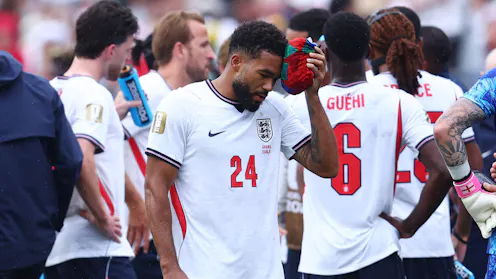
Elite teams plan for heat, recovery and warning signs. Workplaces expecting effort during heatwaves need the same kind of thinking.

Retired football players have a higher risk of developing dementia.

Why a shattered body and a racing mind so often arrive together at 2am – and what the science says can help.
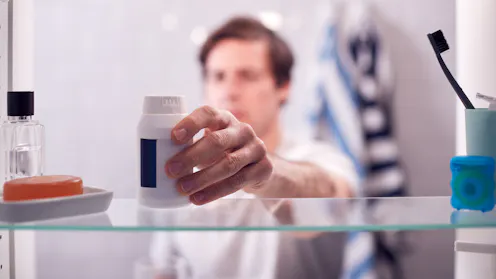
Heatwaves don’t just threaten your skin, they can damage insulin, inhalers and other medicines too, sometimes without any visible warning signs.
Knowing which cancer tumours have their own microbiomes could lead to more personalised treatments.

An oncologist answers the key questions about the new sitting-and-cancer study, and what its findings do and don’t show.
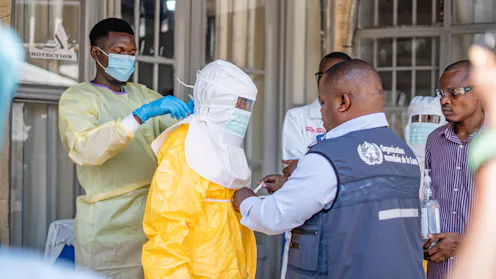
Scientists discover new viruses every year. A catalogue of the riskiest ones could help us spot the next pandemic before it takes hold.

While pain may be universal, our experience of it is anything but.

A major new analysis of nearly 40,000 people finds memories of childhood abuse and neglect stay remarkably stable over time.
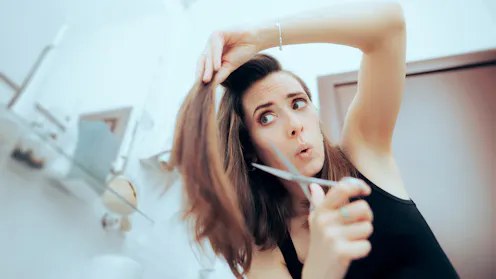
Psychologists have spent years studying how we feel about our bodies. Now research is turning to a part of us most people obsess over daily, but rarely examine – our hair.

Researchers have transformed air quality data into maps, visualisations and exhibitions to connect people to the issues in tangible ways.
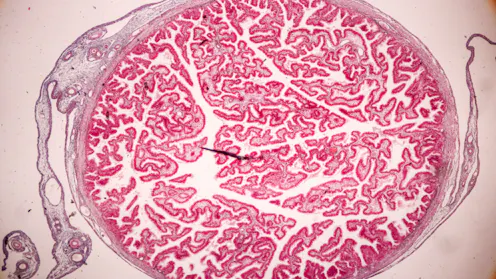
For some mothers, the placenta has deep cultural meaning. Asking about it during pregnancy could prevent avoidable distress.

Fitness trackers often privilege steps over strength, rest and context, which can leave some users with a distorted view of health.
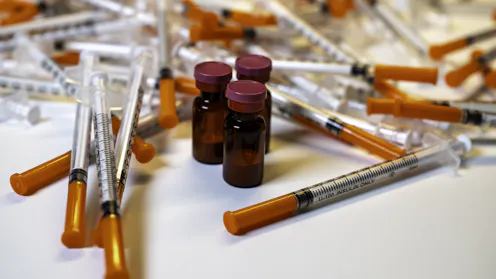
Unregulated peptides sold for muscle gain and anti-ageing carry serious risks, and the evidence suggests women face the greater danger.

Scrutiny is essential after harm. But repeated reviews without delivery can damage staff trust and weaken patient safety.
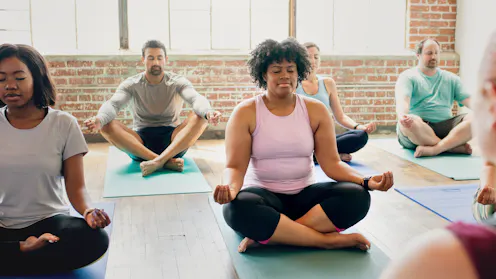
Yoga helps with health and wellbeing and is recommended to NHS patients in the UK, but new research shows people who could benefit most find it hardest to access.