
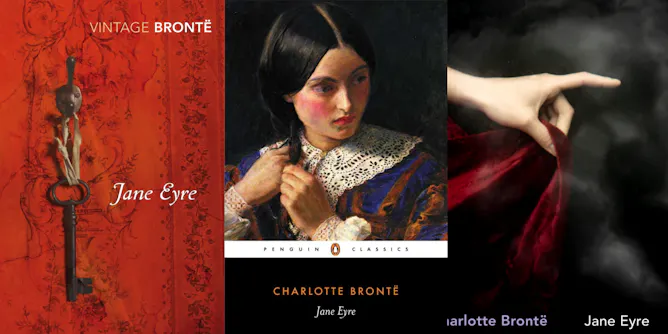
Charlotte Brontë’s first-person masterpiece is a landmark in the novel of interiority, the history of feminism, and the representation of religion and race.
Articles on VCE English Literature 2025
Displaying all articles
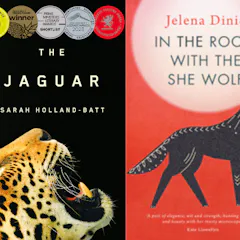
Interest in Australian poetry has dipped significantly since ‘The Man from Snowy River’. Why is this? And how can we get it back?
Discretion, silences and underachievement marked Joan Lindsay’s life and work – despite writing an Australian classic. A new biography investigates her many mysteries.
Analysing over 25 years of VCE lists revealed a rising proportion of works addressing social justice, identity, postcolonial perspectives and environmental themes.
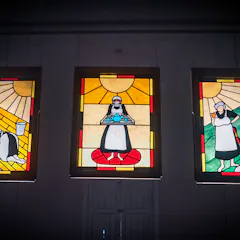
Reading First Nations poetry, we come to feel Aboriginal and Torres Strait Islander people’s lived experiences. Might we see this poetry as a work of makarrata?
Writers have long rhapsodised about real estate – or the difficulty acquiring it – but contemporary authors are asking awkward questions about the inequities of our property obsession.
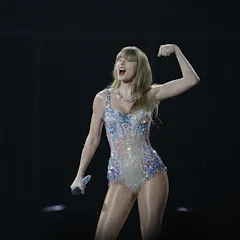
There is nothing to lose and plenty to gain in teaching Swift’s Midnights and Shakespeare’s Sonnets together. There’s no dumbing-down, and no need for reductive assertions about who is “better”.
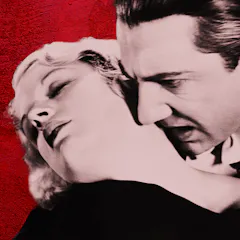
First published in 1897, Dracula is the best-known vampire story in English. It has been endlessly adapted for screen, but today’s stories tend to dilute the horror at the novel’s heart.
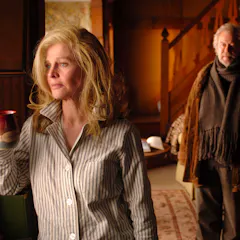
Love and intimacy are valuable for wellbeing at every age. But for older people, especially those in aged care, intimacy can be complicated. Carol Lefevre explores, through real life and fiction.
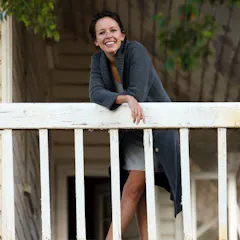
The winner of the 2020 Miles Franklin award is a powerful and deeply moving book, unstinting in its depiction of sociopolitical disasters.
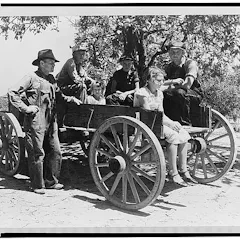
William Faulkner began writing As I Lay Dying the day after the 1929 Wall Street crash. It documents, through the voices of 15 characters, the emergence of a poor white family into the modern world.
Top contributors
-

Distinguished Professor Emerita of Creative Practice, Faculty of Arts and Design, University of Canberra
-
Associate Professor in American Literature, University of Sydney
-
Lecturer in English, Australian National University
-
Associate Professor, The Centre for Social Policy Research, Australian National University
-
Lecturer in English Literature, University of Southern Queensland
-
Professor of Early Modern Literature, University of Sydney
-
Visiting Research Fellow, Department of English and Creative Writing, Adelaide University
-
Lecturer in Education, The University of Melbourne
-
Professor Emeritus, Australian Literature, The University of Queensland
-
Emeritus Professor of Writing, Faculty of Arts and Design, University of Canberra
-
Senior Lecturer in English, University of Sydney