
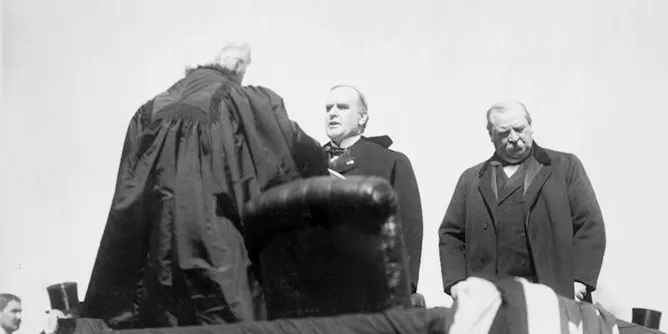
Effective Republican organizing and intraparty divisions among Democrats solidified GOP political dominance until the 1930s.
Articles on US Congress
Displaying 141 - 160 of 730 articles
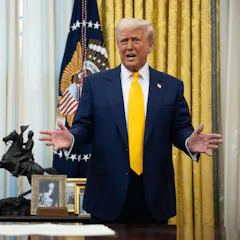
Donald Trump has passed far fewer laws in his first 85 days than other presidents, but is using a different method to create change.
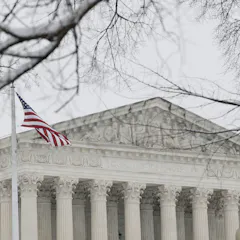
Do court-imposed nationwide injunctions, which stop policies for everyone across the country, give too much power to a single judge? Or do they protect important rights?

Most recent debates center on how much attention should be given to the history of the nation’s accomplishments over its darker chapters.

No president is supposed to serve more than two full terms. That rule became part of the US Constitution in 1951, after President Franklin D. Roosevelt died.

The federal government spent $100 billion on these benefits, which are still sometimes called food stamps, in 2024.
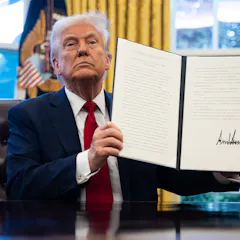
Donald Trump’s aggressive foreign policy is being cast as necessary for national security. This ensures he’ll encounter little pushback from Congress or the courts.

A scholar explains why the Trump administration’s actions may violate the constitution.

The conservative think tank’s efforts to dismantle the Education Department go back more than 40 years, a scholar writes.
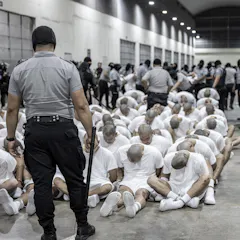
The Alien Enemies Act, first used in the late 1700s, was last invoked during World War II.

Without Democratic votes to break a Senate filibuster, the GOP would not have been able to pass its stopgap spending bill and avert a government shutdown.

Vladimir Putin wants a few matters cleared up before he will agree to a ceasefire.
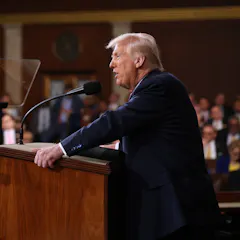
Power is increasingly being wielded by Trump and his executive branch, which the lawmakers in Congress are either compliant or powerless.

Lawful permanent residents hold many of the same rights that US citizens have, but the government can deport them on certain, often vague, security grounds.
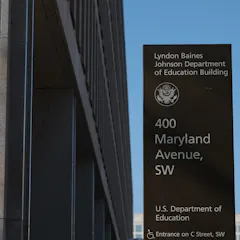
The president’s apparent strategy is attempting to eliminate the agency on his own authority, while asking Congress to finish the job, an education expert writes.
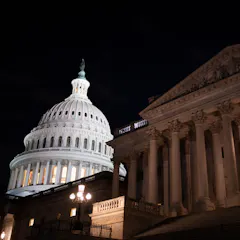
Congress has until March 14 to pass a spending bill that will keep the lights on in Washington.
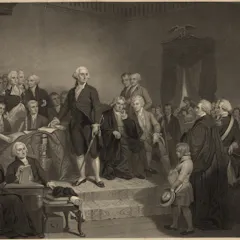
The first president realized that working with Congress – not alone or against it – was the best way to actually create an efficient federal government.

A US district judge says that the Trump administration has to pay USAID the billions it owes in already completed work. The Supreme Court agrees − for now.
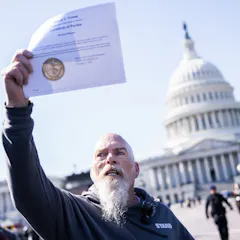
It’s not yet clear whether Trump’s pardons will herald a period of national harmony – as past presidents hoped for – or more incidents of violence, as actually resulted.

Legal experts are concerned that President Donald Trump is expanding executive powers beyond the law – creating what they call a constitutional crisis.
Top contributors
-

Associate Professor of Political Science, Boise State University
-
Associate Professor of Law, Arizona State University
-
Professor of Law and Adjunct Professor of Political Science, Wayne State University
-
Distinguished Fellow in Law and Government, Dickinson Law, Penn State
-
Associate Professor of Political Science, Rochester Institute of Technology; Institute for Humane Studies
-
Professor of Public Policy (retired), University of Virginia
-
Part-Time Professor of Economics, The New School
-
Assistant Professor of Government, Smith College
-
Assistant Professor of Public Policy and Politics, University of Virginia
-
Professor of Political Science, Coastal Carolina University
-
Election Analyst (Psephologist) at The Conversation; and Honorary Associate, School of Mathematics and Statistics, The University of Melbourne
-
Daniel Patrick Moynihan Senior Lecturer in Public Policy and Public Finance, Harvard Kennedy School
-
Professor American Politics, Political Science, Georgia State University
-
Professor of Political Science, Drake University
-
Professor of Law, University of Notre Dame