
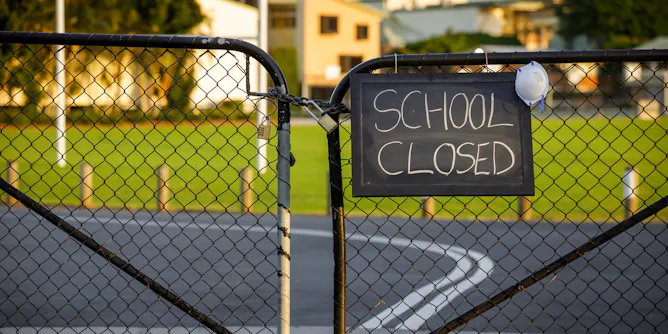
Our research can help understand the role schools play in transmission.
Articles on UK Schools
Displaying 261 - 280 of 297 articles

Exercise classes are made up of one-way instruction – but PE is collaborative and can teach all-round skills.
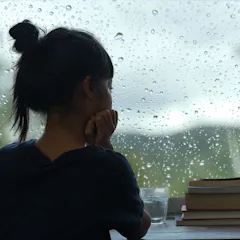
It’s not just children designated as being ‘at risk’ who are vulnerable. There are thousands of others who have not been assessed and who need the ‘safe haven’ of school.

Start early and choose teachable moments over a ‘big talk’.

As British journalist and author, Reni Eddo-Lodge, writes, the US civil rights movement too often becomes “the story of the struggle against racism”.

The children in our study had concerns that included making friends, meeting new teachers and coping with school work.

Teenagers told us they experienced racism at school, on social media, and in their wider community.
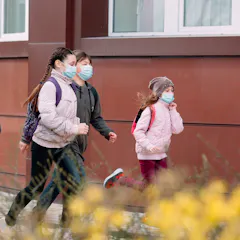
As lockdowns end, schools are reopening. But it will be far from normal.

LGBT+ inclusive relationships education in English primary schools needs
to be varied and holistic.

Children abused at home may not be safer at school – in fact the lockdown may have made life easier for children at risk, and their parents.

Young people spend too much time sitting still. When they get a chance to move, it should not be stressful.
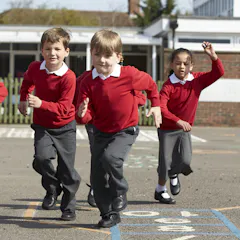
Afternoon breaks are being cut in UK schools but simply making this time more meaningful could have better benefits for children.
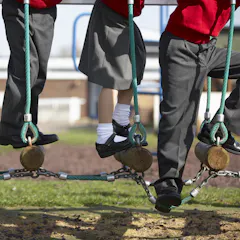
When it comes to inclusive education, England has gone backwards, with more and more students placed in segregated provision or excluded from educational opportunities.

Taking everyday lessons outside can improve well-being and engagement, yet it is not as used as often as it could be.

School’s out – but are the holidays equally enjoyable for all young people, or a time when inequality is magnified?

It’s taken more than 30 years for Welsh education to be overhauled – but will these changes benefit pupils?
Parents of autistic children in Wales face a choice between English-medium specialist education or Welsh-medium mainstream education.

A new study reports that school-based physical activity interventions are ineffective in improving young people’s activity levels. But we just need to think outside the box if we want them to work.
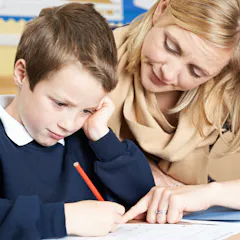
Teachers’ understanding of dyslexia is mostly limited to behaviour, new survey finds.

Is it really the best use of time for children, teachers and parents?
Top contributors
-

Professor of Education and Public Policy, Durham University
-
Associate Professor at the Health Services Management Centre, University of Birmingham
-
Professor of Early Childhood and Primary Education, UCL
-
Rosalind Hollis Professor of Education for Social Justice, University of Hull
-
Associate Professor, School of Education, Durham University
-
Professor of Education Research, School of Education, University of Birmingham
-
Professor of Education, Sheffield Hallam University
-
Assistant Professor of Behavioural Science, Warwick Business School, University of Warwick
-
Research Fellow in Social Sciences, Nottingham Trent University
-
Lecturer in Education, Swansea University
-
Associate Pro Vice Chancellor for Student Inclusion and Professor of Learning and Teaching in Higher Education, University of East Anglia
-
Director, Nottingham Institute of Education, Nottingham Trent University
-
Professor of Sociology of Education, UCL
-
Associate Professor of Education Policy, Nottingham Trent University
-
Senior Lecturer in Psychology in Education, University of Bristol