
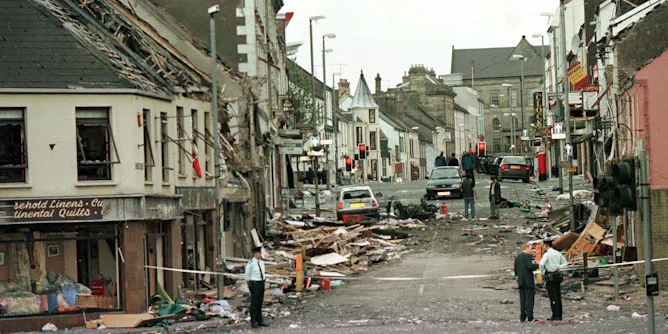
The long-term legacy can be linked to poor mental health, high levels of suicide and alcohol and drug problems – but also innovation.
Articles on Trauma
Displaying 161 - 180 of 414 articles
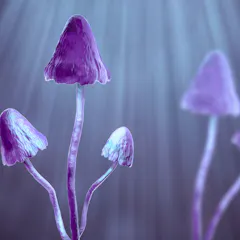
Receiving a cancer diagnosis and undergoing cancer treatment can be a traumatizing experience. Psychedelics like LSD, psilocybin and MDMA could help alleviate symptoms from cancer-related PTSD.
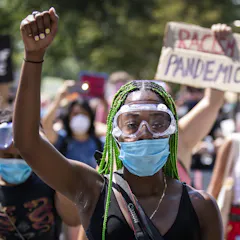
In the wake of the COVID-19 pandemic and the George Floyd murder, in 2020, Black social workers are finding they are alone in coping with their trauma.
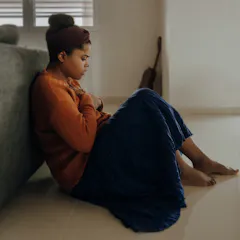
People respond to trauma in different ways, with some people experiencing post-traumatic growth.

A video allegedly showing a 13-year-old being assaulted in Queensland went viral online. Simply viewing such material can be a criminal offence.
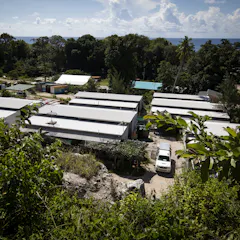
Our new study describes the health effects of detention on children, and the clinical results are alarming.
Resistance, like Rachel Cusk’s Outline trilogy, uses its main character – a therapist, Nina – as a vehicle for others’ stories.
Our new research found most participants experienced sexual violence at multiple points across their lives. And many reported negative experiences when trying to access support.

Why was Susanna Kaysen really hospitalised? Her memoir Girl, Interrupted turns 30 this year. It investigates whether she was ‘mad’, or medicalised for a ‘chaotic’ life that defied gender norms.

Journalist Shannon Molloy was sexually abused as a child, by another young person. He talks to experts, and to other men who’ve experienced sexual abuse, to make sense of his experience.
Adverse childhood experiences are associated with an increased risk of mental health problems in adulthood.
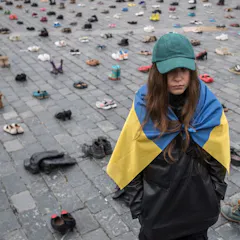
Trauma can affect how people remember and describe experiences. Many survivors express their pain through objects and physical symptoms, an anthropologist explains.

What is the responsibility of the publisher – and the many readers hungry for trauma memoirs – towards the authors who re-live their trauma to write their books? Some are calling for a new approach.
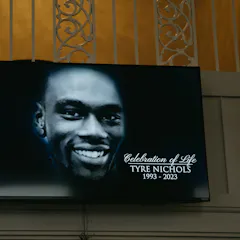
Police brutality disproportionately affects Black communities and can cause numerous adverse effects, including depression, anxiety and trauma.
Children who suffer trauma are more likely to have mental health problems such as anxiety.

While most journalists don’t develop PTSD or depression, many will struggle with the stress of their work. Knowing the warning signs can help deal with trauma.
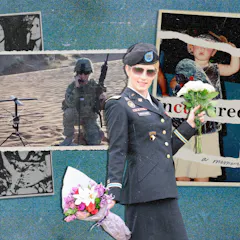
Daniella Mestyanek Young grew up in the Children of God cult, also known as The Family. She escaped aged 15, then joined the US army after college – and recognised similar systems of toxic control.
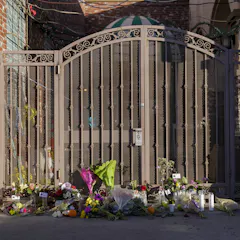
Even people who are only indirectly exposed to these repeat tragedies, such as first responders and those affected by media coverage, can experience profound and long-lasting grief.
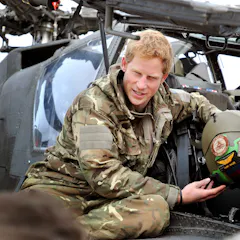
An expert in military decision-making explains the real-life consequences of war and the long-term psychological toll that endures.

Children and the adults they become need to choose how they grieve. That may include sharing their experiences and getting angry.
Top contributors
-

Professor of Psychiatry, Wayne State University
-
Senior Lecturer in Humanities, University of Southern Queensland
-
Professor of Psychology, The University of Melbourne
-
Albert E. Kent Professor of Psychiatry, Yale University
-
Professor of Social Work, CQUniversity Australia
-
Professor of Psychology, University of Denver
-
Professor & Director of Traumatic Stress Clinic, UNSW
-
Associate Lecturer in Creative Writing, University of Sydney
-
Senior Research Fellow, The Kids Research Institute Australia
-
Associate Professor, Paramedicine and Head of Department, Rural Allied Health, La Trobe University
-
Professor of English, Flinders University
-
Distinguished Professor of Pharmacy Practice, University of Connecticut
-
Counseling Psychologist, Catholic University of Eastern Africa
-
Professor, Department of Psychiatry, The University of Melbourne
-
Casual Academic, Creative Writing and English Literature, Flinders University