
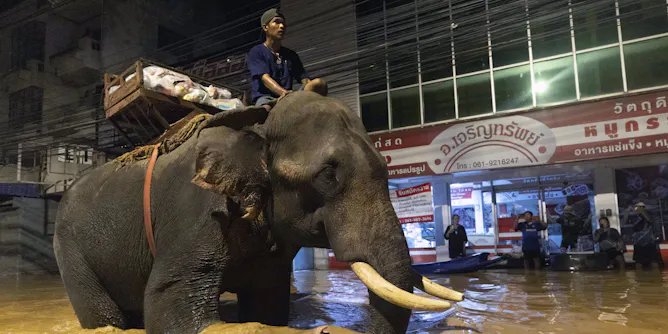
While poorer nations face more severe climate impacts, their ‘social cost of carbon’ remains disproportionately low, reflecting deeper economic inequities that complicate global climate action.
Articles on social cost of carbon
Displaying all articles

The Biden administration directed agencies to consider the cost of greenhouse gas emissions in their future purchasing and budget decisions. An example shows just how much is at stake.
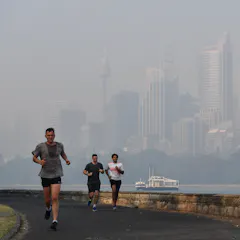
Every year, air pollution kills 2,600 Australians. Australia’s new climate policy regime must account for this and other harms climate change wreaks on society.
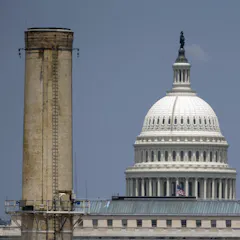
The social cost helps regulators factor in harm from climate change when they consider new rules and purchases, like buying electric- vs. gas-powered trucks for the Postal Service.
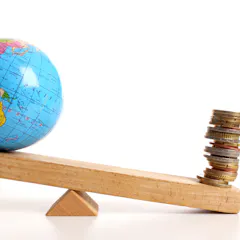
For decades, economists have pondered the ‘social cost of carbon’ - the price worth paying to avoid the future costs of greenhouse emissions. But a new analysis suggests this quest is impossibly complex.

EPA Administrator Scott Pruitt has proposed steps that would reduce economic benefits to society from new regulations. An economist who worked for Presidents Clinton and Obama calls this a strategy to justify deregulation.
To weigh the economic impact of climate change policies, we need to estimate the social cost of carbon. An economist explains how it’s done and why the Trump administration shouldn’t end the practice.
Environmental economists have long argued a carbon price is the best way to factor in the social cost of climate change. Did Obama effectively use a carbon price to nix the Keystone XL pipeline?
Climate change is as much an economic problem as an environmental one. The effects of climate change, such as damage from more severe weather or health problems from higher temperatures, will impose a…
Top contributors
-

Associate Professor of Public Policy, Harvard Kennedy School
-
Professor of Political Economy, Harvard Kennedy School
-
PhD candidate, Stanford University
-
Fellow in Energy and Global Oil, Baker Institute for Public Policy, Rice University
-
Associate Professor in Health Economics, Curtin University
-
Professor of Environmental Economics and Biosecurity, The University of Melbourne
-
Associate Professor of Energy Economics, Colorado State University
-
Faculty, Ecosystem Science & Sustainability; Director, Soil Carbon Solutions Center, Colorado State University
-
Honorary Associate Professor, Fenner School of Environment and Society, Australian National University
-
Fellow in Energy Studies, Baker Institute for Public Policy; Lecturer, Rice University
-
Senior Researcher, Urban Transformations Research Centre, Western Sydney University
-
Adjunct assistant professor, Economics Department, Queen's University, Ontario
-
Professor of Environmental Pubic Health and Director of the HEAL Global Research Centre, University of Canberra