

Policy jargon, though often dense and alienating, can serve as an effective springboard for discussing difficult realities.
Articles on Climate policy
Displaying 1 - 20 of 400 articles
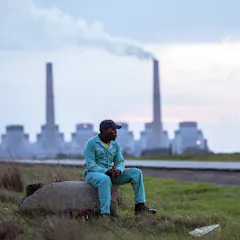
A new study compared power plants’ carbon emissions and found government-owned plants’ emissions were much higher and less responsive to climate policies.
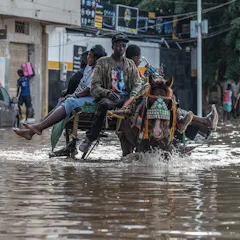
West Africa’s climate plans count physical damage but often overlook the cost of lost heritage and the community ties that disasters tear apart.

Adapting to a changing climate will require greater co-operation and co-ordination across various orders of government.

Over the past 12 months, the federal government has approved multiple fossil fuel projects and cut climate science funding.

Why would a young Republican back solar but reject a carbon tax? Twenty years of survey data shows climate opinion is more complex than party labels suggest.
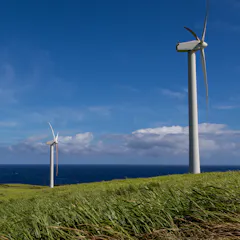
Many steps that are good for clean energy also dovetail with federal priorities, from affordable housing to data centers and rural development.
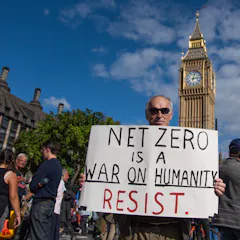
The US shows how climate change can become a partisan battleground. Britain still has the institutions and public support to avoid the same fate.
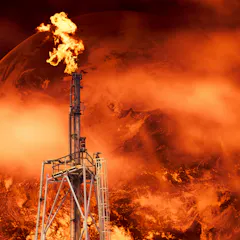
The Climate Policy Monitor report found a trend of backsliding by one country in particular, but there are signs of hope at the global level.

It can be hard for governments to prioritise the risks of ecosystem collapse above conflict, energy poverty and food supply chain issues

Building broader support for climate action will require engaging people across political lines in ways that reduce, rather than heighten, partisan divisions.
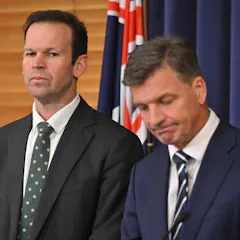
The Liberal-National party is taking a hard-line stance on climate change. But are they just following Pauline Hanson’s lead?
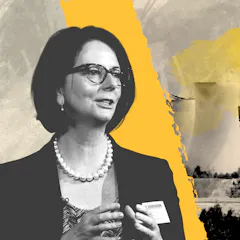
The affair is a cautionary tale of what happens when negative campaigning, misinformation and clumsy politicking collide to kill policy – and political careers.
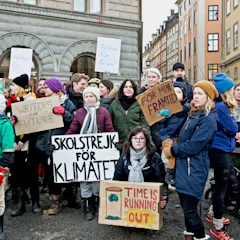
The ban prevents future fossil fuel production in Sweden – but that’s just the start.

Many philosophers have noticed the similarities between environmental damage and the puzzle of the self-torturer.
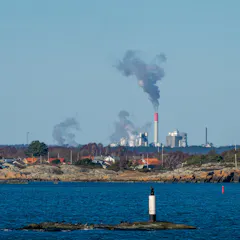
Policy research often looks at measures in isolation, ignoring the complex bigger picture.
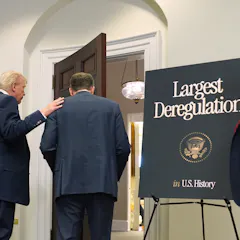
U.S. withdrawal from transnational environmental agreements presents other countries in the Americas with the opportunity to chart a new course.

A federal judge dealt one blow to the effort when he found the administration had violated the law in handpicking a panel to question climate science.

At the same time, Americans have been facing worsening storms, wildfires and deadly heat waves.

Any large-scale policy affecting schools, like Montréal’s ambitious transition to zero waste, needs to reflect that success relies on the labour and care of students and education workers.
Top contributors
-

Professorial Fellow, University of Canberra
-
Former Visiting Fellow, SPRU, University of Sussex Business School, University of Sussex, University of Staffordshire
-
Professor, Crawford School of Public Policy and Director, Centre for Climate and Energy Policy, Australian National University
-
Senior Fellow in Energy and Climate Change, Grattan Institute
-
Professor of International Relations, The University of Queensland
-
Research Associate, Institute for Climate Risk and Response, UNSW
-
Associate Professor, The University of Western Australia
-
Adjunct professor, Environment and Sustainability, University of Saskatchewan
-
Honorary Fellow, Melbourne Climate Futures, The University of Melbourne
-
Professor in Organisation & Sustainability, University of Exeter
-
Professor of Political Science, School of Regulation and Global Governance, Australian National University
-
Senior Research Fellow and Associate Professor, Melbourne Climate Futures initiative, The University of Melbourne
-
Professor of Economics, The University of Queensland
-
Senior Industry Fellow, Environment and Planning, RMIT University
-
Head of Atmospheric, Oceanic and Planetary Physics, University of Oxford