

Climate change is shrinking Arctic sea ice and opening the region to ship traffic. Whales, seals and other marine mammals could be at risk unless nations adopt rules to protect them.
Articles on Sea ice
Displaying 81 - 100 of 110 articles
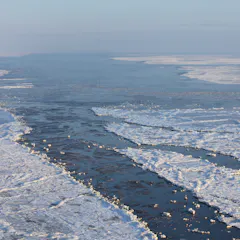
Since 2005, the Barents Sea has become too warm for sea ice to exist south of the Polar Front.
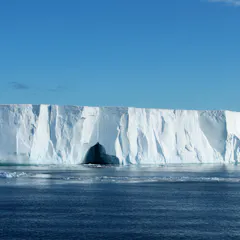
Since 1995, several ice shelves off the Antarctic Peninsula have abruptly disintegrated. A new analysis suggests that these events are triggered when ice shelves lose their buffer of floating ice.
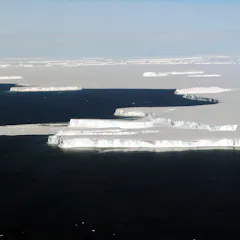
Last summer one of Antarctica’s floating ice shelves calved an iceberg the size of Delaware – but scientists say other less dramatic changes reveal more about how and why Antarctica is changing.
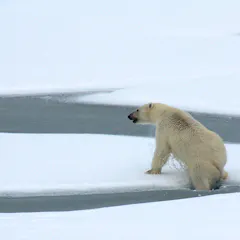
A new study shows that polar bears require more food than previously thought. The scientists used collars that tracked bears’ movements and metabolic rates.

The link between melting sea ice and extreme weather has been known for a while, but now it’s happening further afield.
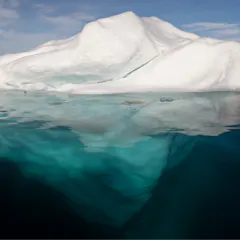
The end of 2016 has brought balmy Arctic temperatures and record low ice extent for the time of year. It’s a freak event even by modern standards, and climate models point the finger firmly at humans.
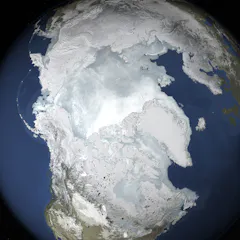
There is no doubt that 2016 has been a record-breaking year for the Earth’s climate.
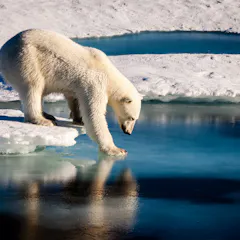
Cold polar water can stop the Arctic sea ice from melting – but what happens if it warms up?
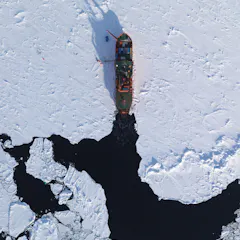
After record-breaking amounts of sea ice in Antartica, this year we’re seeing record lows.
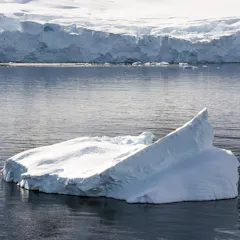
As the world warms, Antarctica’s melting ice will likely reach the point of no return.

Despite their image as cold-loving creatures, Adélie penguins could be winners from climate change.
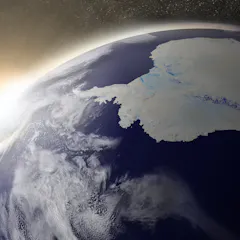
Why should we care if the polar ice sheets melt hundreds of years in the future? Because they are vital for maintaining our current climate.
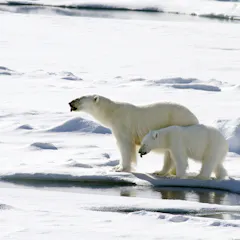
Could polar bears slip into a hibernation-like state to tough out lean hunting during summers with little sea ice? Sadly, experiment suggests no.
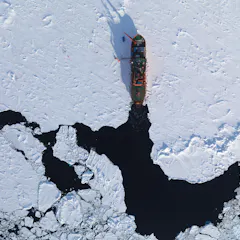
Antarctica’s sea ice is changing in ways that scientists didn’t predict, and is now causing headaches for Antarctic stations.
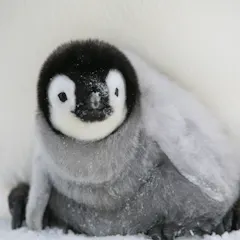
Emperor penguins are adapted to the bitter cold of Antarctica, but a new study reveals that during the last ice age it got too cold even for them.
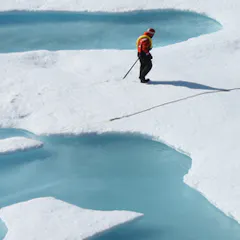
Arctic sea ice melts each summer, reaching its minimum extent sometime in September, before refreezing through the winter. Over the past 35 years, the September sea ice extent has reduced by about 35…
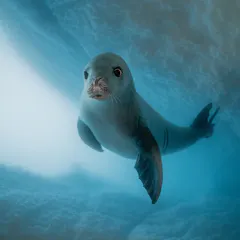
For several years now climatologists have puzzled over an apparent conundrum: why is Antarctic sea ice continuing to expand, albeit at the relatively slow rate of about one to two percent per decade, while…
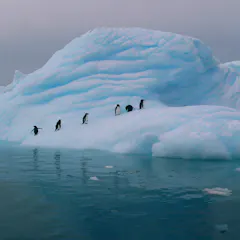
Many people think of sunburn and skin cancer when they hear about the ozone hole. But more ultraviolet (UV) radiation isn’t the only problem. The ozone hole has also led to dramatic changes in Southern…
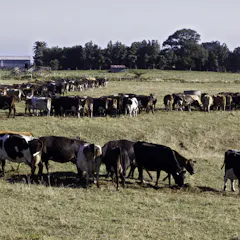
Over 2012 and 2013, parts of New Zealand experienced their worst drought in nearly 70 years. Drought is the costliest climate extreme in New Zealand; the 2012-2013 event depressed the country’s GDP by…
Top contributors
-

Alaska Climate Specialist, University of Alaska Fairbanks
-
NERC Independent Research Fellow in Oceanography, University of Southampton
-
Senior Scientist, National Snow and Ice Data Center (NSIDC), Cooperative Institute for Research in Environmental Sciences (CIRES), University of Colorado Boulder
-
Deputy Lead Scientist, National Snow and Ice Data Center (NSIDC), Cooperative Institute for Research in Environmental Sciences (CIRES), University of Colorado Boulder
-
Associate Scientist, Woods Hole Oceanographic Institution
-
Professor of Glaciology and Earth Observation, University of Bristol
-
Research Professor of Geography and Director, National Snow and Ice Data Center, University of Colorado Boulder
-
Australian Laureate Fellow, Distinguished Professor, Deputy Director of ARC Securing Antarctica's Environmental Future (SAEF), University of Wollongong
-
Chief Scientist, Australian Antarctic Division and Professor of Climate Science, Australian National University
-
Director of the ARC Centre of Excellence for Our Future Oceans and Scientia Professor in Oceanography, UNSW
-
Professor of Physical Oceanography, Bangor University
-
Senior Research Associate in Physical Oceanography, University of Tasmania
-
Associate Professor in Environmental History, University of Tasmania
-
ARC Future Fellow, IMAS and ACE CRC, University of Tasmania
-
ARC Future Fellow and Associate Professor in Climate Science, ARC Centre of Excellence for 21st Century Weather, The University of Melbourne