
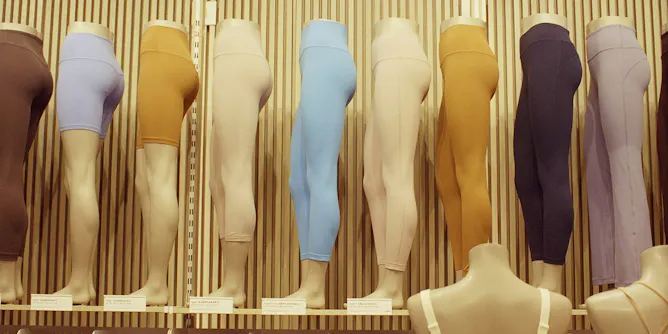
Fashion made out of recycled polyester mostly uses plastic bottles. That’s not a good thing.
Articles on Recycling
Displaying 21 - 40 of 416 articles
Just a tiny fraction of the plastic Australia uses each year gets recycled. This year’s oil shock could cause a rethink.
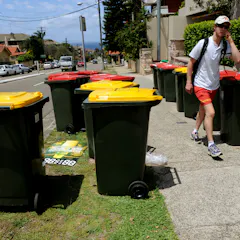
The first thing to know is that what’s accepted in your yellow-lidded kerbside bin depends on where you live.

Instead of just dumping all your old clothes at a charity shop, here are some tips on what to do first.

Around 40 to 50 times more energy goes into producing, transporting and selling food than can be recovered from recycling it.

A new World Bank report shows that the world is struggling to deal with ever-growing quantities of waste.
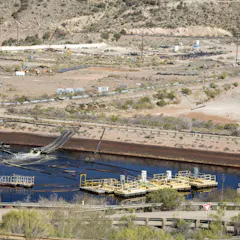
There’s lots of copper in the ground, but demand is already outstripping usable supply – and the shortfall is likely to get worse.
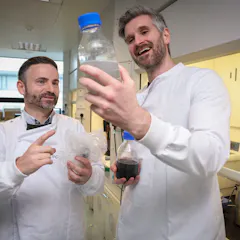
Contamination tolerance shapes the economics of recycling.
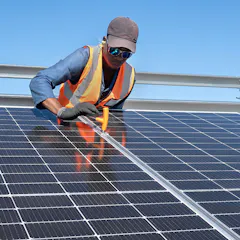
A just transition to a green economy with broad growth in employment will require deliberate efforts.
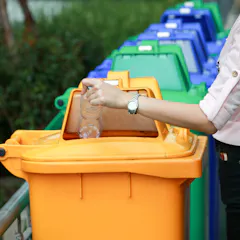
Just 15% of Europe’s plastic waste gets recycled, but we can do better.

The initiatives put in place by the organizers for the Milano Cortina Winter Olympics are an encouraging first step, but they remain insufficient.
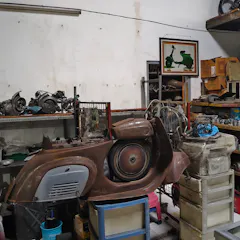
Consumers and companies need help engaging in reuse, repair and other circular practices, which have environmental and economic benefits.

Solar panels last 25 years, but most are still designed for disposal rather than repair or reuse.

Many multi-unit residential buildings are designed or managed in ways that make recycling and proper waste disposal difficult.

Ever wondered if it’s wise to pour that old paint water down the sink? It can’t do any harm right?! The problem is not what you do, but what everyone contributes.
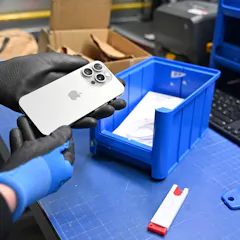
Seeing more refurbished electronic devices on the market? Thank tech innovation – and the government regulation that sparked it.
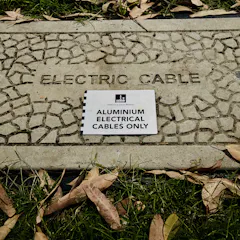
There are different rules in different states on selling scrap copper. A 2023 inquiry found that makes it hard to stop thieves – who are even targeting cemeteries.

Plastic pollution is often hidden in plain sight – behind positive “eco” or “recyclable” labels, within supply chains and under the convenience of online shopping.

Only 9% of plastics ever made have been recycled. Clever industry campaigns have shifted the costs of their own waste onto consumers.
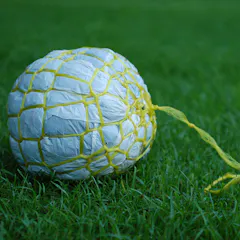
An EcoBall match is a live demonstration of the circular economy.
Top contributors
-

Senior Research Fellow, BehaviourWorks Australia, Monash University
-
Lecturer, School of Life and Environmental Sciences, Deakin University
-
Associate Professor and Research Director, Institute for Sustainable Futures, University of Technology Sydney
-
Professor of Applied Environmental Science, University of Southampton
-
Professor of Global Environmental Politics, University of California, Berkeley
-
Research Principal, Institute for Sustainable Futures, University of Technology Sydney
-
Chair professor - Circular Economy, The University of Melbourne
-
Research Chair, Indigenous Approaches to Environmental Management, Keele University
-
Associate Professor at School of Property, Construction and Project Management, RMIT University
-
Associate Dean and Head of Project Management, RMIT University
-
Professor of Sustainable Development, Keele University
-
Research Director, Institute for Sustainable Futures, University of Technology Sydney
-
Research associate, Loughborough University
-
PhD Candidate in Environmental Science, Policy, and Management, University of California, Berkeley
-
Birkbeck, University of London