
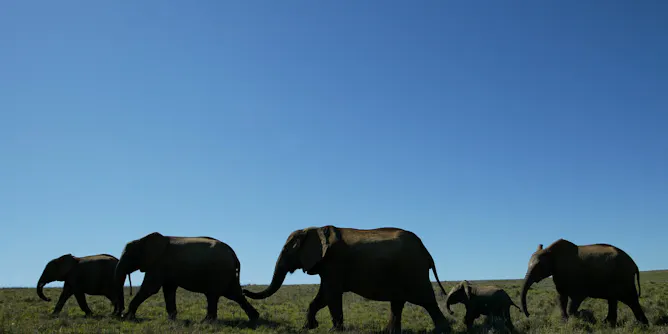
Political and social instability in the country, as seen in frequent mass protests and xenophobia, threaten the flow of African tourists.
Articles on Public safety
Displaying 41 - 60 of 84 articles
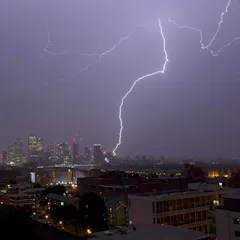
Lightning kills 24,000 people each year. Here’s how to stay safe during an electrical storm.
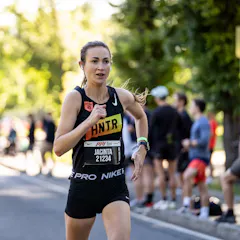
For many female runners, the feeling of liberation that running can bring is marred by the ever-present threat of street harassment and violence. It’s a major obstacle to running participation.
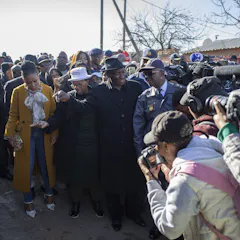
Historically, most mass shootings in South Africa have been associated with three main things: gang conflicts, rivalries in the minibus taxi sector and factional or inter-group feuds.

Australia’s consumer advocacy group Choice identified three Australian retailers who use facial recognition to identify consumers. What are the privacy concerns?

New ethical issues are emerging during COVID-19 as doctors struggle with their obligations to ‘do no harm’ and respect patient autonomy.
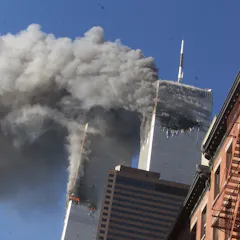
99% of people below the floors where the planes struck the twin towers evacuated successfully, although their journey was fraught with danger. Their stories have influenced today’s skyscraper designs.
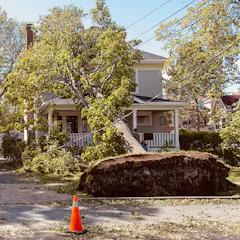
A better understanding of the science behind falling trees – followed by informed action – will help keep us safe and ensure trees continue to provide their many benefits.
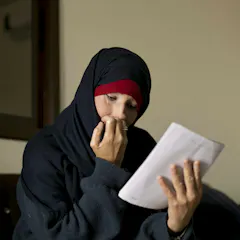
Canada needs a better framework to understand and analyze the participation of women who marry ISIS soldiers — and find ways to hold them accountable
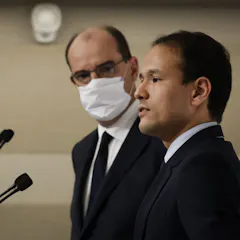
In the current pandemic, finding the right balance between the protection of public health and respecting civil liberties has proven to be supremely difficult.
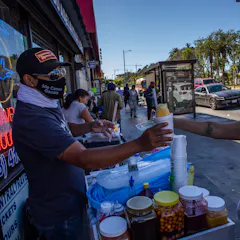
Statistical models debunk claims by Trump and others that undocumented immigration into the U.S. increases crime, building on a litany of past research.
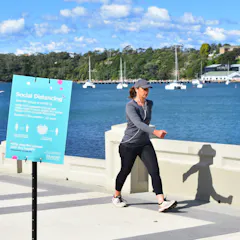
The Gender Equality Act in Victoria creates an obligation to understand how gender affects needs and experiences, and to design, assess and manage public spaces so women feel safe in those places.
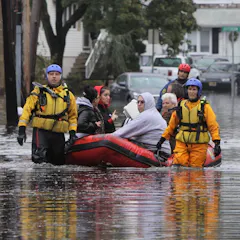
The US faces a high risk of hurricanes and other disasters this year that could leave thousands of people in need of shelter. COVID-19 will make those disasters more dangerous to manage.
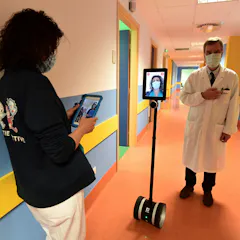
Robots are helping health care workers and public safety officials more safely and quickly treat coronavirus patients and contain the pandemic. They have something in common: They’re tried and tested.
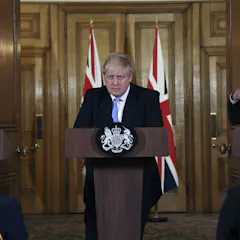
Leaders all over the world have tested their citizens to the limit in recent years. Now they need them to follow strict orders to stop the spread of infection.

The pharmaceutical waste from Buffalo City dump sites reveals that the sale of over-the-counter drugs remains vastly unregulated and under-researched.
From being subjected to harassment and threats to getting assaulted or having their cars keyed, many American teachers are being victimized.
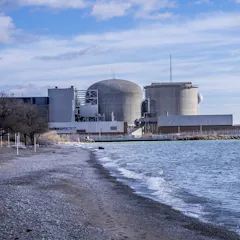
A nuclear alarm was issued on Jan. 12, 2020. The alarm had been mistakenly sent during a training exercise and was retracted, but the impact will erode trust in public safety efforts.
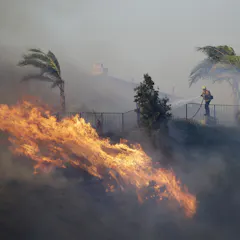
Two fire researchers argue that recent fires in Northern and Southern California show why health and social equity need to be part of fire preparedness.
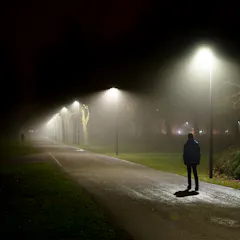
Bright lighting alone does not make a space feel safe. It can blind and disorientate and create dark shadows at the edges. Tellingly, ‘unsafe’ places had much higher illuminance than ‘safe’ places.
Top contributors
-

Associate Professor and Principal Fellow in Urban Risk and Resilience, The University of Melbourne
-
Director, XYX Lab, and Professor, Faculty of Art, Design and Architecture, Monash University
-
Associate Professor in Criminal Justice and Criminology, Bond University
-
Research Fellow in Public Health, The University of Queensland
-
Professor, Institute for Health and Sport, Victoria University
-
Professor of Urban Geography, University of Sydney
-
Professor, UNSW Beach Safety Research Group, School of Biological, Earth & Environmental Sciences, UNSW
-
Professor of Physics, Clemson University
-
NHMRC Research Fellow, School of Population Health and Co-founder UNSW Beach Safety Research Group, UNSW
-
Associate Professor of Physics and Electronics, Hunan University
-
Principal Research Fellow, School of Engineering, RMIT University
-
Senior Lecturer, School of Health & Social Development, Deakin University
-
Senior Lecturer in Wildlife, University of Salford
-
Honorary Fellow in Criminology, The University of Melbourne
-
Founding Director, Georgia International Law Enforcement Exchange (GILEE) and Professor Emeritus of Criminal Justice, Andrew Young School of Policy Studies, Georgia State University