
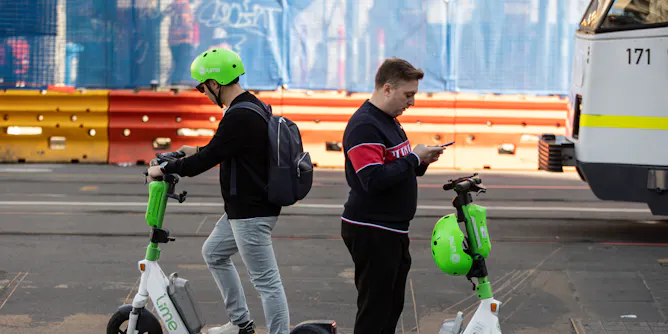
The parking of e-scooters is a source of fierce debate, but technology offers a solution to control the problem.
Articles on Public safety
Displaying 21 - 40 of 84 articles

For the first time in a decade, the terror threat has been elevated. But what does that really mean?
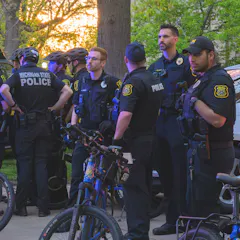
From culture shock to a lack of family support, slow progress on diversity in police recruitment reflects real challenges in a tough field.
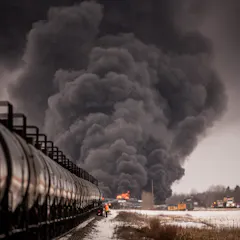
The domination of regulatory agencies by the very organizations they regulate — instead of the public interest — must be overcome. It requires leadership at all levels of government.
The number of deaths on Australian roads has been increasing steadily year after year. It’s unacceptable not to act on the evidence of what works to boost road safety.
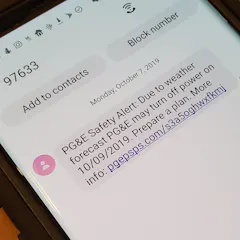
Turning off power is a last-ditch strategy for utilities to reduce the risk that their systems could spark wildfires. In most states, deciding whether to take that step is up to utilities.
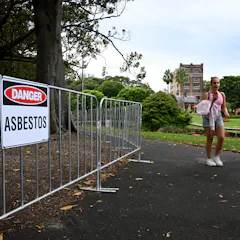
The most important factor for disease risk is exposure – you actually have to inhale asbestos fibres to be at risk of disease. But asbestos needs to be treated with caution.

Lithium-ion battery fires are becoming increasingly common as electric vehicles spread, and are hard to extinguish. A new approach uses an electrolyte based on a commercial fire extinguisher.
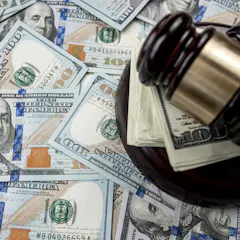
The imposition of fines and fees on people unable to pay has had a disproportionate impact on Black and Latino communities.

One fan died and others reported burns at the Swift concert. And we’re going to see similar incidents at future concerns if we don’t start planning for extreme weather.

If an alert from the federal government popped up on your phone, did you notice it? Did you know who it was from? Did you trust it?
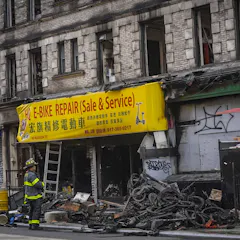
Lithium-ion batteries power many electric cars, bikes and scooters. When they are damaged or overheated, they can ignite or explode. Four engineers explain how to handle these devices safely.

While Americans tend not to use the word “peace,” and instead opt for terms like “safety and security,” their desires and fears are not so different from what people in war-torn places express.
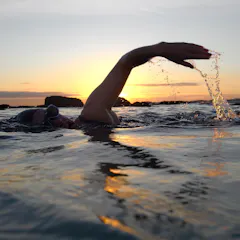
New research reveals drowning risk increases during Australian heatwaves, especially severe heatwaves. Here’s who is most at risk and what we can all do to stay safe.

A non-fatal crocodile attack on a tourist last week made headlines. But talk of culling is an over-reaction to a fairly isolated incident.

Emergency management plans need to address the growing risks emerging from increasing applications of artificial intelligence.
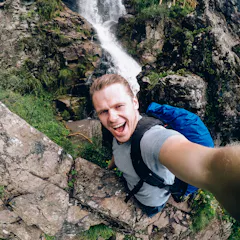
People have died taking selfies at cliffs, waterfalls and natural pools. We need to try a different approach to reducing the risk.
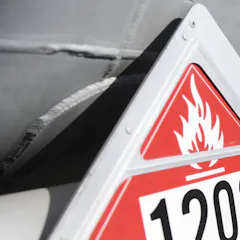
Transportation Secretary Pete Buttigieg is looking into new rules for trains. Trucks, however, are involved in thousands more hazmat incidents every year in the US.
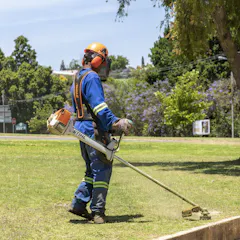
People may think that green spaces often hide criminals. On the contrary, there is evidence they contribute to reducing crime.
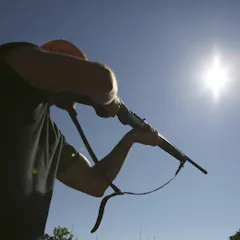
A recent French Senate report calling on a ban on alcohol use while hunting has prompted the wrath of the country’s hunting lobby. Do its arguments hold water?
Top contributors
-

Associate Professor and Principal Fellow in Urban Risk and Resilience, The University of Melbourne
-
Director, XYX Lab, and Professor, Faculty of Art, Design and Architecture, Monash University
-
Associate Professor in Criminal Justice and Criminology, Bond University
-
Research Fellow in Public Health, The University of Queensland
-
Professor, Institute for Health and Sport, Victoria University
-
Professor of Urban Geography, University of Sydney
-
Professor, UNSW Beach Safety Research Group, School of Biological, Earth & Environmental Sciences, UNSW
-
Professor of Physics, Clemson University
-
NHMRC Research Fellow, School of Population Health and Co-founder UNSW Beach Safety Research Group, UNSW
-
Associate Professor of Physics and Electronics, Hunan University
-
Principal Research Fellow, School of Engineering, RMIT University
-
Senior Lecturer, School of Health & Social Development, Deakin University
-
Senior Lecturer in Wildlife, University of Salford
-
Honorary Fellow in Criminology, The University of Melbourne
-
Founding Director, Georgia International Law Enforcement Exchange (GILEE) and Professor Emeritus of Criminal Justice, Andrew Young School of Policy Studies, Georgia State University