

Most Christmas trees are imported from other states, which drives up costs.
Articles on Psychology
Displaying 221 - 240 of 2386 articles

Social media profiles, interviews and annual reports may offer insight into some CEOs’ narcissistic tendencies.
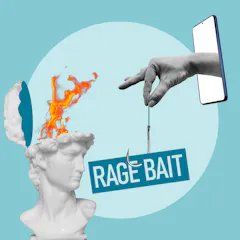
How not to get drawn in by rage bait.
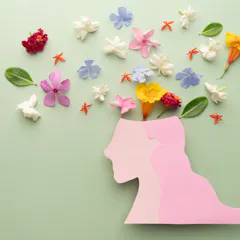
Many artists and scientists have had breakthrough while in this drowsy state between sleep and waking.

With a little thought, you can host a meal with family and friends that’s supports everyone.
It’s not a single personality trait – lots of factors play a role.

Psychology offers valuable insights when it comes to understanding the Maga movement.

Spotify has hit a marketing sweet spot: Users feel compelled to share their annual listening habits and, in doing so, advertise the streaming service to their legions of followers.
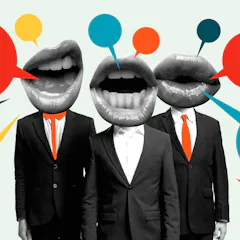
Experts can combat misinformation by sharing their opinions, instead of just information.

Is working from home good for your mental health? If so, how many days a week are best? A new study has some answers.
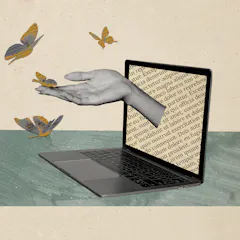
The different personalities of typefaces and how it affects our psychology.

Dating your psychologist, even if you’re no longer a client, is never a good idea, whatever Netflix says.
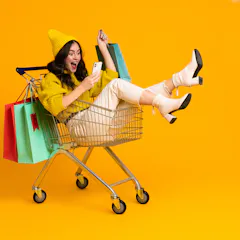
Eight simple tips to prevent shopper’s remorse.

Shows like Stranger Things allow us to practice emotional resilience and threat assessment without real-world consequences.

Resilience is often presented as feats of bravery and endurance. But everyday practices like journaling, drafting a text or even writing a to-do list are manifestations of a capacity to adapt.

If you want to use your mindset to change your eating experience, you first need to understand what research has told us about psychology and food.

South Africans report greater inner peace, hope, forgiveness, and engagement with faith than the global norm.

The uncertainty and stigma of living with PFAS pollution can be stressful. Here’s the support communities need.
Violence exposure in early childhood is widespread in low- and middle-income countries and has clear impacts on young children’s mental health.

Super-recognisers literally look at people differently.
Top contributors
-

Professor of Psychology, The University of Melbourne
-
Professor of Psychology, Edge Hill University
-
Senior Lecturer in Psychology, Leeds Beckett University
-
Professor of Psychology, Monmouth University
-
Professor of Cognitive Psychology and Director of the Institute for Climate Risk and Response, UNSW
-
Cornelia H. Dudley Professor of Psychology, Knox College
-
Associate Professor in Clinical Psychology and Neuropsychology, Trinity College Dublin
-
Professor of the Psychology of Time, Liverpool John Moores University
-
Associate Professor, School of Psychology, UNSW
-
Associate Professor, Centre for Positive Health Sciences, RCSI University of Medicine and Health Sciences
-
Chair of Cognitive Psychology, University of Bristol
-
Professor of Consumer Psychology, Anglia Ruskin University
-
Professor, Melbourne School of Psychological Sciences, The University of Melbourne
-
Senior Lecturer in the School of Psychology, University of Lincoln
-
Professor of Social Psychology, Anglia Ruskin University