
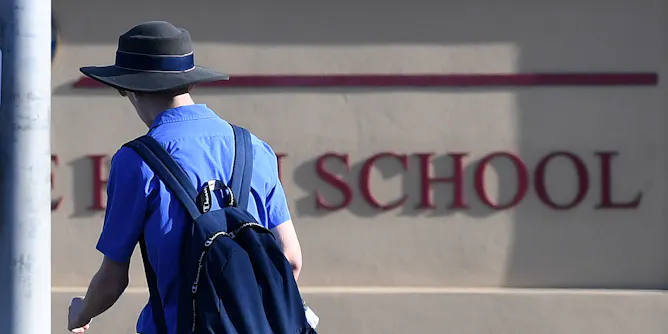
Results are coming back for students in years, 3, 5, 7 and 9. It can seem like a very big deal to stressed students. In reality, it is only one indicator of how a child is progressing.
Articles on Primary school
Displaying 161 - 180 of 263 articles
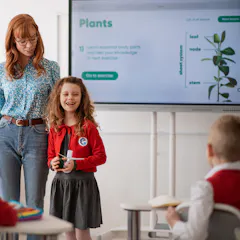
It’s important to keep in mind public speaking has two parts to it: writing the speech and delivering it.
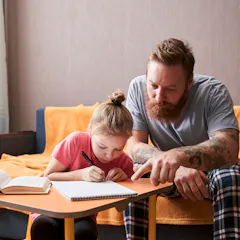
A new survey of Australian primary teachers found almost 65% of teachers never asked students to write at home with the support of a family member.

Many primary school PE lessons have been outsourced to private sports contractors, resulting in the ‘deskilling’ of a generation of teachers.
More testing will not necessarily help children who struggle.
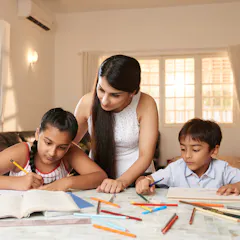
The case for homework for primary-age children is not clear.
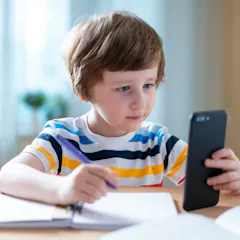
Only one in three of the children in our research project did their schoolwork on a laptop or computer.

The government’s focus on synthetic phonics is too narrow.
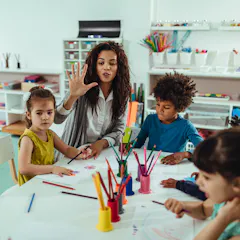
Teachers thought there should be less focus on assessments.
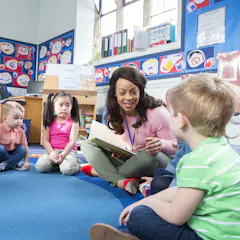
Children who missed part of their reception year were three months behind in reading.
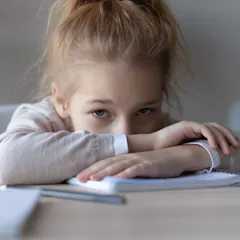
A chasm has opened up between early childhood learning and the first years of compulsory schooling. Kids go from playing to being tested in the blink of an eye, and their learning is poorer for it.
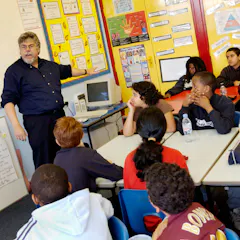
Grammatical nous has been found to give students a broader understanding of their own language and a key to learning others. The problem is, teachers aren’t being equipped to teach it.

What started out as a community project with local schoolchildren has garnered an official endorsement and countless memes. It has also sparked a national conversation
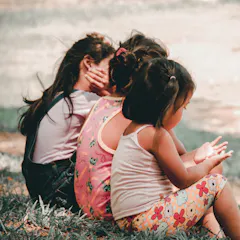
Children who started school in autumn 2020 needed more support than in previous years.
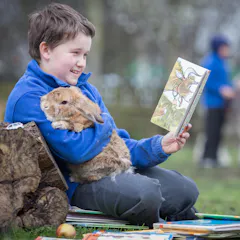
From rabbits to maggots, school pets are common but we need to think of them as partners, not resources

For years you may have been adding and subtracting numbers in your head in a certain way, but these strategies were never formally taught at school. Now they are, and they all have names.
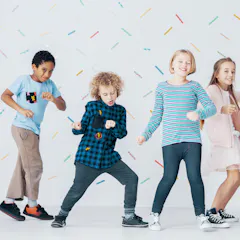
Creative dance combines physical activity with creativity.
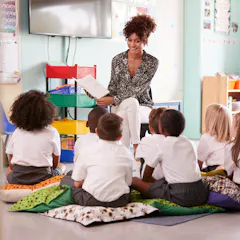
The children in our study had concerns that included making friends, meeting new teachers and coping with school work.
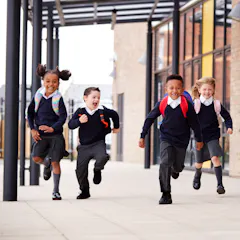
We heard the views of 211 primary school staff in Wales on the return to school.
Students in Year 3 had slightly higher results in NAPLAN if they were held back. By Year 9 students who were held back did no better on NAPLAN tests than those sent when first eligible.
Top contributors
-

Associate Professor in Educational Leadership, Australian Catholic University
-
Senior Lecturer in Mathematics Education, University of Sydney
-
Senior Lecturer in Education, University of New England
-
Lecturer in Mathematics Education, University of Sydney
-
Professor in Early Childhood Education and Community, University of Canberra
-
Senior Lecturer in Health and Physical Education, University of Tasmania
-
Lecturer in Education, Swansea University
-
Associate Professor of Education, Charles Sturt University
-
Senior Lecturer in Education, Edith Cowan University
-
Associate Professor in Education, Deakin University
-
Professor, School of Education, University of Southern Queensland
-
Lecturer (Curriculum & Pedagogy – Educational Psychology & Wellbeing)., University of Southern Queensland
-
Senior Lecturer Primary Education, University of Sydney
-
Associate Professor, Literacy, Edith Cowan University
-
Associate Professor, Institute for Learning Sciences and Teacher Education, Australian Catholic University