
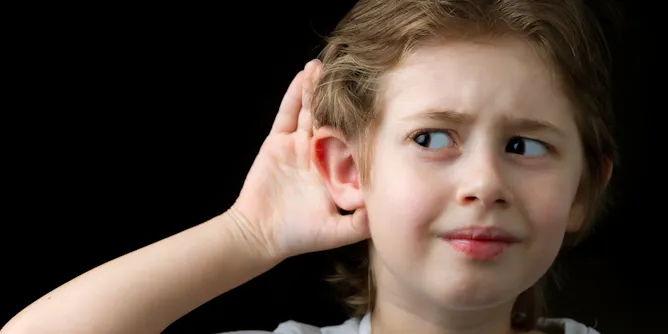
The term APD describes several disorders that result in a breakdown in the listening process. It is most common in primary school, affecting more than 5% of children.
Articles on Primary school
Displaying 221 - 240 of 263 articles
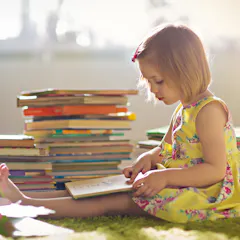
Speech patterns are just important as letter sounds when learning to read.

Good tests may build in failure, but that doesn’t mean they’re an efficient way of measuring a child’s ability.
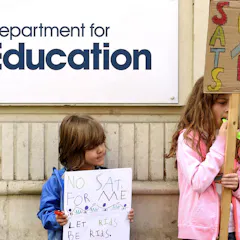
Seven and 11-year-olds feel the pressure from their parents and teachers.
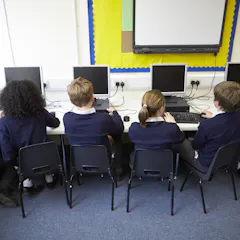
The Government changed the curriculum in 2014 so that all school children would be taught coding, but two years on this is far from reality.
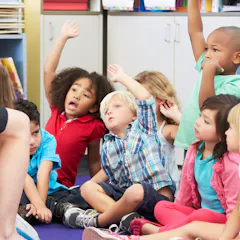
We warned the government about baseline tests. It should have listened.

Child labour in Tanzania is driven largely by poverty. More must be done to keep children in school so their skills aren’t lost to the economy in the long run.

Tell a child they’re a ‘moped’ rather than a ‘Ferrari’ and they’ll understand exactly what it means.
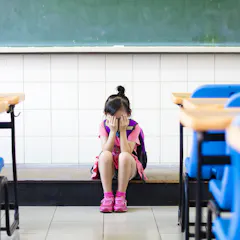
Schools need to change the way they work to support the emotional well-being of our children.

Around a fifth of children aged five to 16 will experience reading difficulties. Schools need clear guidelines on how to choose the best literacy programs for their students.
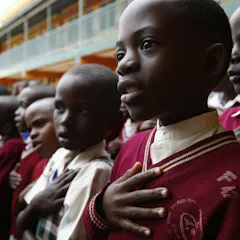
More and more children are attending primary school in Kenya, Uganda and Tanzania. But there are worryingly large gaps in their learning.

Australian education fails one in four young people. It is time we started exploring why school is not working for increasing numbers of disadvantaged children.
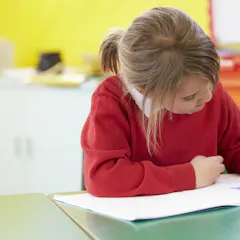
A decade after they were phased out, the government could reintroduce national tests for seven-year-olds.
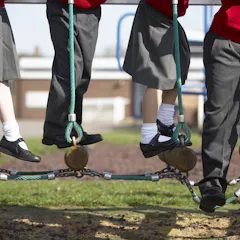
Changes to the admissions code will not solve the inherent unsuitability of expectations on children in the early years.
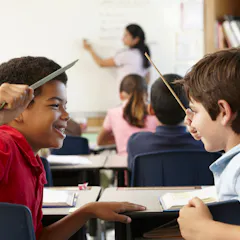
New research shows that children who develop bad behaviour towards the end of primary school, fall behind the most.
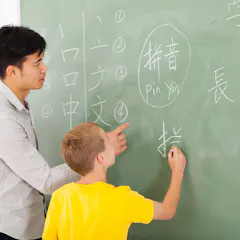
Unless young children are totally immersed in a foreign language, they actually learn it better when they’re a bit older.
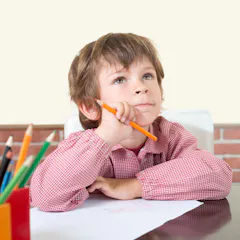
Can you and should you stop free thought? Not in primary school.
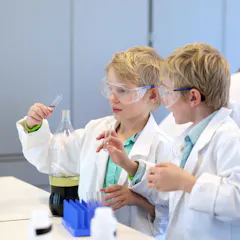
Training teachers to make science lessons more practical, creative and challenging benefits their students.
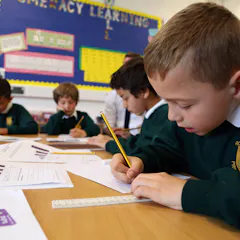
New research has raised concerns that teachers are biased against certain pupils based on their gender, ethnic group or family income.
Compulsory maths and science in years 11 and 12 will have a lasting benefit, but we need to boost the skills of teachers and start teaching science even earlier.
Top contributors
-

Associate Professor in Educational Leadership, Australian Catholic University
-
Senior Lecturer in Mathematics Education, University of Sydney
-
Senior Lecturer in Education, University of New England
-
Lecturer in Mathematics Education, University of Sydney
-
Professor in Early Childhood Education and Community, University of Canberra
-
Senior Lecturer in Health and Physical Education, University of Tasmania
-
Lecturer in Education, Swansea University
-
Associate Professor of Education, Charles Sturt University
-
Senior Lecturer in Education, Edith Cowan University
-
Associate Professor in Education, Deakin University
-
Professor, School of Education, University of Southern Queensland
-
Lecturer (Curriculum & Pedagogy – Educational Psychology & Wellbeing)., University of Southern Queensland
-
Senior Lecturer Primary Education, University of Sydney
-
Associate Professor, Literacy, Edith Cowan University
-
Associate Professor, Institute for Learning Sciences and Teacher Education, Australian Catholic University