

Rainwater may be contaminated with chemicals and scientists are still uncertain about their effects.
Articles on Pollution
Displaying 301 - 320 of 660 articles
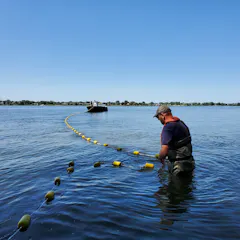
UV absorbents and industrial antioxidants are used in many household goods to protect them from UV radiation. They can have an adverse impact on ecosystems.
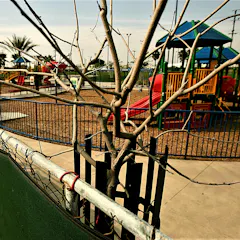
Climate change is colliding with old factory sites where soil or water contamination still exist, and the most vulnerable populations are particularly at risk.
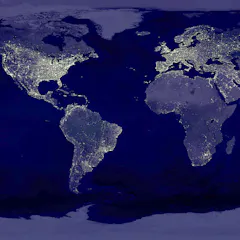
A 1972 report warned that unchecked consumption could crater the world economy by 2100. Fifty years and much debate later, can humanity innovate quickly enough to avoid that fate?

Caracals that hunt closer to urban areas where human population density is higher, have higher levels of chemicals in their systems.
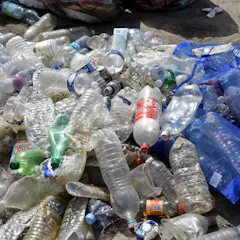
This Plastic Free July, we need to be teaching children to demand less plastic from the world’s worst producers instead of expecting change from individual recycling efforts.
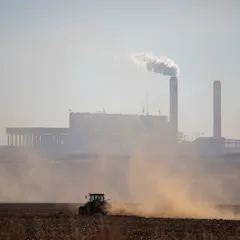
Johannesburg occasionally smells like rotten eggs. The wind brings the smell from the east or the southeast, where most industries are located.
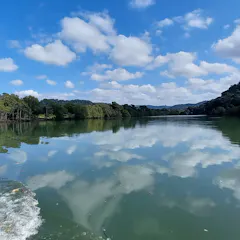
Estuaries shelter and offer respite to countless species of birds, fish and mammals.
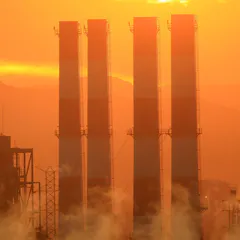
Thanks to humans, the concentration of planet-warming carbon dioxide in the atmosphere is now 50% higher than before the industrial era. These gases are raising Earth’s temperature.
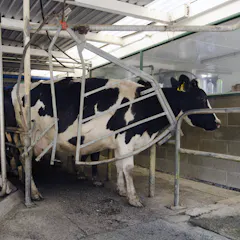
A new study of dairying in Canterbury shows previous estimates vastly underestimate the impact of intensive farming. A 12-fold reduction in cow numbers could be needed to meet safe water standards.
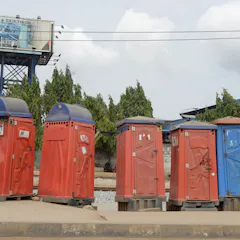
Some Niger Delta residents are less concerned about oil-induced hazards and risks, or floods and erosion. They are more worried about a lack of sanitation amenities.

In a process called ‘reverse socialisation’, children can help their elders become more green - but eco education is key.
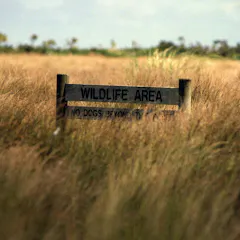
New Zealand’s native wildlife and habitats are at extreme risk, but there is a dangerous disconnect between strategic aspiration and planned action.

This long, uncharacteristically early heatwave has hit hundreds of millions of people in one of the world’s most densely populated and vulnerable regions.
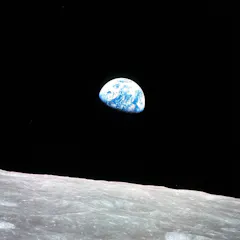
The Earth is a resilient planet, but people are altering it in ways that may take centuries to reverse.
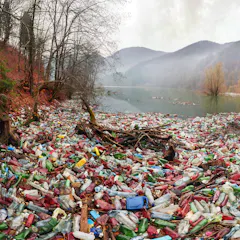
A global treaty on plastic pollution must incentivize a take-make-reuse waste management system and include quantitative targets based on geography-specific emissions.
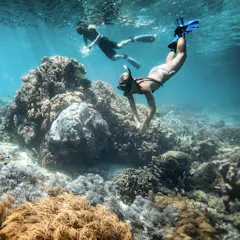
Laboratory studies suggest sunscreen chemicals are dangerous to coral reefs. But in real world conditions, that’s not true. Bleaching must have another cause.
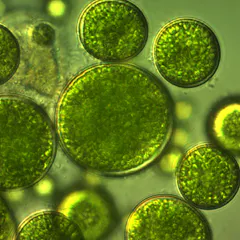
The inside of story of a pioneering programme to convert nitrogen into microalgae that can generate sustainable animal feed.

The Nigerian government must do more to combat increasing plastic pollution in the country.

Drive-throughs not only increase air pollution and emissions, but also contribute to a car-centred culture that we need to avoid.
Top contributors
-

Honorary Professor, School of Natural Sciences, Macquarie University
-
Associate Professor in Environmental Science, Western Sydney University
-
Professor, UNSW Law & Justice and UNSW Institute for Climate Risk & Response, UNSW
-
Professor of Environmental Science, University of South Africa
-
ARC Future Fellow and Associate Professor in Climate Science, ARC Centre of Excellence for 21st Century Weather, The University of Melbourne
-
Emeritus Professor of Medicine, Adelaide University
-
Senior Principal Research Scientist, Environment, CSIRO
-
Senior Research Fellow at the Stockholm Environment Institute, University of York
-
Professor, Obafemi Awolowo University
-
Professorial Fellow, ARC Centre of Excellence for Coral Reef Studies, James Cook University
-
Professor of Biology, University of Portsmouth
-
Professor, Australian National University
-
Associate Professor, Australian National University
-
Postdoctoral research fellow, University of the Ryukyus, Okinawa Japan, Madonna University, Nigeria
-
Associate Professor and Water Management Expert, University of South Africa