
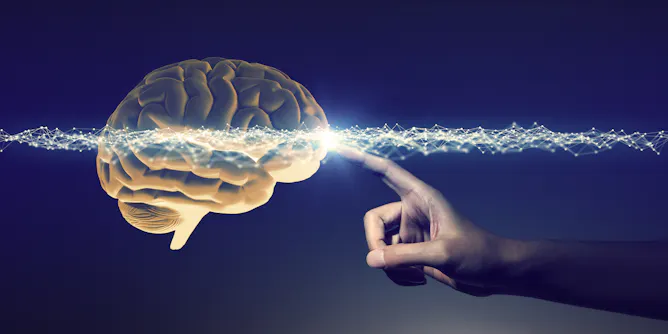
From dementia to depression to drug addiction, artificial brain stimulation has been hailed as a landmark medical technology for the future. But safeguards are needed if we want the benefits without the risks.
Articles on Parkinson's disease
Displaying 61 - 80 of 132 articles
About one in six people who take the most common medication for Parkinson’s disease will develop addictive behaviours. We found whether this happens depends on a person’s unique brain structure.

Researchers are looking for ways to determine who’s most at risk for dementia and also ways to detect it early. A scientist who has studied low blood pressure makes a case for a link between the two.
When people lose their speech, they can stop working and friends can drift away. Here’s what we can do to help them get the rehabilitation they need.

A national trial that looked at whether brain stimulation could restore memory had a surprise finding. Deep brain stimulation brought back vivid memories temporarily.

Parkinson’s disease is twice as common in men than in women. A sex gene called SRY, found only in men, could go some way to explaining this – and might pave the way for potential treatments.

Some treatments for neurodegenerative diseases involve inserting wires into the brain and zapping certain brain cells with electricity. But what if you could do the same thing using sound waves?

An enzyme called TOR could hold the secret to a longer, healthier life.
Thomas Durcan’s lab is growing 3D mini-brains in the search for a cure for Parkinson’s disease. Over the next year he is giving all his lab’s protocols, methods and results away.

New study challenges traditional view of Parkinson’s disease.
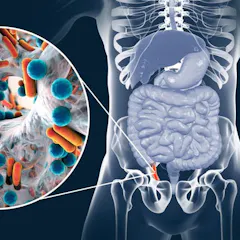
A number of contradictory studies have found a link between Parkinson’s and having your appendix out.
Changes in bowel habits occur up to 20 years before the onset of Parkinson’s.

We blame electronic devices for our increasingly sedentary behaviours. So why not harness them to study our movement patterns and tackle urgent health crises?

Insurance companies sometimes try to cut costs by substituting less expensive drugs for a specific drug prescription. That’s raising problems in many cases, and actually causing harm.

The Gila monster gave humans a treatment for diabetes. What other medical miracles are we losing by failing to protect wildlife and ecosystems?
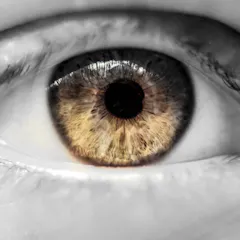
A new type of drug blocks the destruction of neurons in the eye, preventing blindness. The researchers hope that the same therapy can be applied to other common neurodegenerative diseases.

Media pioneer Ted Turner’s announcement that he has Lewy body dementia brings the illness into the spotlight, which is rare. A neurologist explains why it’s hard to even get a correct diagnosis.

We’ve got better at managing the health risks of traditional drugs of abuse, but novel psychoactive substances, or ‘legal highs’, are a dangerous unknown.
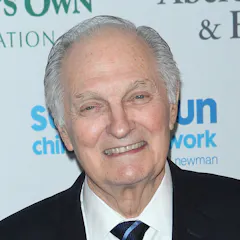
Alan Alda announced July 31, 2018 that he’s been living with Parkinson’s Disease. An expert on the disease explains new drugs and treatments.
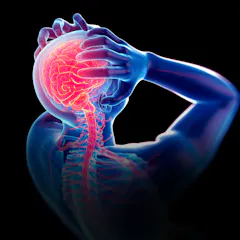
For some patients, drilling a hole in the skull and inserting an electrode into the ‘sadness centre’ of the brain offers relief from debilitating and otherwise treatment-resistant depression.
Top contributors
-

Professor of Neuroscience, Royal Veterinary College
-
Professor of Neurology, Norman Fixel Institute, University of Florida
-
Professor and Head of Department of Anatomy & Neuroscience, University College Cork
-
Associate Professor, School of Biomedicine, Adelaide University
-
Clinical Research Fellow, Imperial College London
-
Professor of Physical Activity, Lifestyle, and Population Health, University of Sydney
-
Senior Post-Doctoral Researcher, University College Cork
-
Senior Research Fellow, Monash University
-
Honorary (Professorial Fellow) at the Centre for Neuroscience, The University of Melbourne
-
Associate Professor, Neurology, University of Florida
-
Computational Neuroscientist and NIHR Academic Radiology Resident, University of Oxford
-
Professor of Health Law and Bioethics, Case Western Reserve University
-
Reader in Neurology and Neuroepidemiology, Queen Mary University of London
-
Associate Professor of Neuroscience, University of Oxford
-
Associate Professor in Sociology and Anthropology, Monash University