
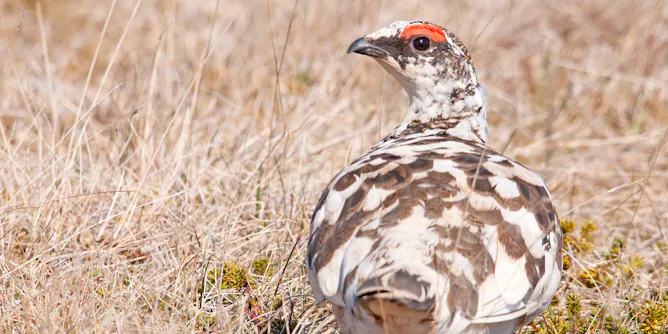
The amount of parasites on a host species has implications for the host population. Factors such as reproduction and consumption can be affected by the number of parasites and their types.
Articles on Parasites
Displaying 81 - 100 of 194 articles
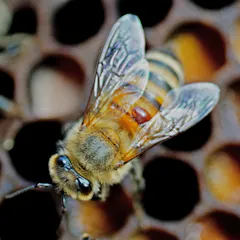
Bees are the main pollinators of many crops. It’s important to track the deformed wing virus and its impacts.

Investigations have led to the withdrawal of a study backing ivermectin to treat COVID-19. But that’s not the last time we’ll hear about this controversial drug.

Australia’s invasive cane toads may be out-evolving their lungworm parasites.
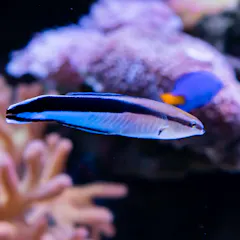
Cleaner fish feed on the parasites that live on other fish. Studying communication between cleaner fish and their clients may help employ them in salmon farms, which can be plagued by parasites.

An ecologist describes her field research and work on the impact of human activity on birds and their pathogens, which has taken her from Alaska to the Gulf of Guinea.
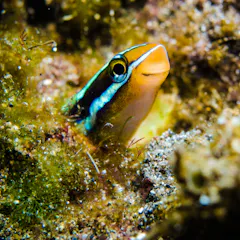
Even the most mutually-beneficial evolutionary relationship can turn sour.
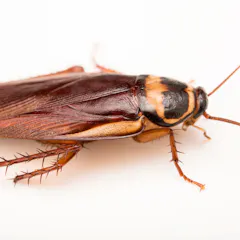
The reality TV show I’m a Celebrity, Get Me Out Of Here is under fire for using non-native insects while filming in the Welsh countryside.

Estimating the cost of antibiotic resistance to economies and health-care systems is fraught with difficulty, but new research says Australia will be hit harder than we think.

Pink blood, green blood, or no blood at all – when it comes to what’s inside a worm’s body, the answer is more complicated – and fascinating – than you’d think.
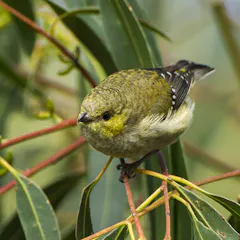
The moment a chick hatches from its egg, maggots burrow into its skin to drink its blood, usually killing it. But scientists have found a way to stop the blood-sucking parasites.
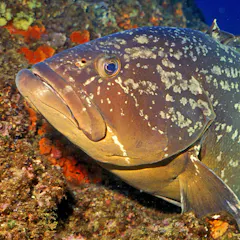
Mediterranean groupers are not alone: they are home to a wide variety of parasites.
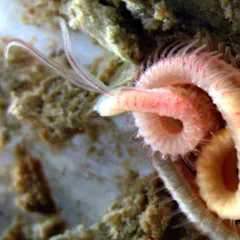
Mud blister worms make their homes in the shells of oysters and other shellfish, where they weaken their hosts.

In fiction and popular culture, parasitic characters appear as a metaphor for the threat and spread of disease. But they’ve also played for laughs.
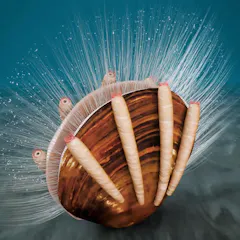
We studied 515 million-year-old brachiopod fossils from southern China. These marine invertebrates were common in the geological past.
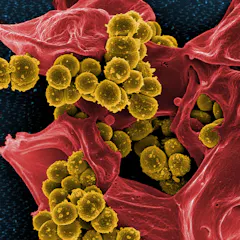
Antimicrobial resistance is a public health and economic disaster waiting to happen. If we do not address this threat, by 2050 more people will die from drug-resistant infections than from cancer.
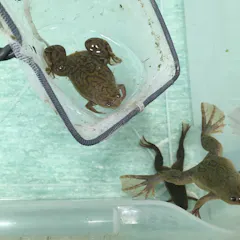
The African clawed frog is a notorious invader but it also takes some parasites with it to new regions.

It’s the first non-English language film to win best picture – here’s hoping this is the start of something big for world cinema.
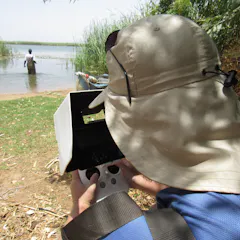
Schistosome worms infect hundreds of millions of people worldwide. Researchers have discovered how to use inexpensive drones to identify disease hotspots in remote African villages.

Mythical mistletoe can be traced back to Norse legends.
Top contributors
-

Lecturer in Parasitology and Evolutionary Biology, University of New England
-
Associate Professor and Clinical Academic Gastroenterologist, Western Sydney University
-
Professor of Interdisciplinary Parasitology, University of Nottingham
-
Clinical Associate Professor, School of Medical Science & Sydney Infectious Diseases Institute; Principal Hospital Scientist, University of Sydney
-
ARC Early Career Research Fellow, Social Insect Ecology, Macquarie University
-
Professor of Microbiology and Immunology, Indiana University
-
Reader in Ecological Genetics, Liverpool John Moores University
-
Professeur, UMR ISYEB (Institut de Systématique, Évolution, Biodiversité), Muséum national d’histoire naturelle (MNHN)
-
Honorary Professor, Federation University Australia
-
Senior Lecturer in Pharmaceutical Sciences, RMIT University
-
Professor in Evolutionary Biology, Macquarie University
-
Research Fellow, Malaria biochemistry, Monash University
-
Professor of Biology, Wilfrid Laurier University
-
Director of the Jenner Institute, University of Oxford
-
Professor of Protozoology, University of Bristol