
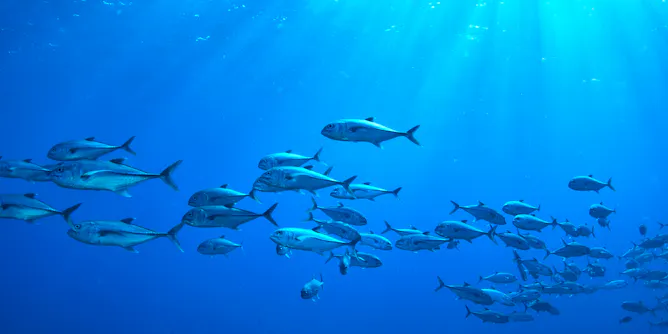
Recent research shows how reducing overfishing is both an ecological imperative and a critical means to addressing climate change.
Articles on Overfishing
Displaying 21 - 40 of 134 articles
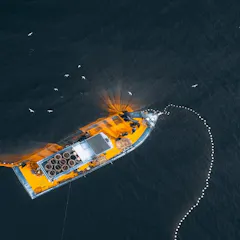
Governments all over the world are propping up overfishing. Now scientists have penned an open letter calling on trade ministers to implement stricter regulations against harmful fisheries subsidies.
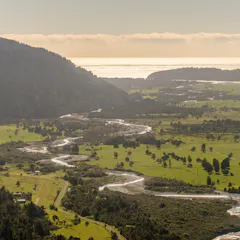
Over 200 million tonnes of sediment are transported by rivers to the sea each year, the most widespread water contaminant in the country. Its devastating impact on marine life has to be reversed.
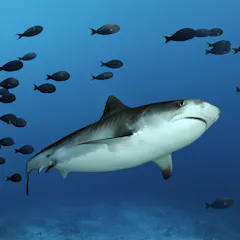
A new initiative is pinpointing areas in the world’s oceans that are key habitats for sharks and their relatives, so that governments can consider protecting these areas.
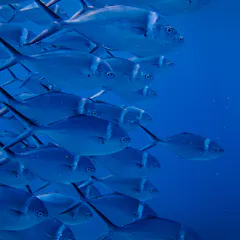
Climate change and overfishing are depleting global fish stocks with clear implications for the food security future of billions of people.
Blood isn’t sterile, and analyzing the bacteria in it could help assess the health of fish and prevent the collapse of their populations.
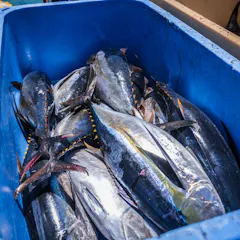
Breeding tuna in captivity is a promising solution to overfishing, but there are concerns surrounding fish welfare.
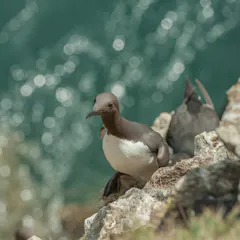
Studying a guillemot colony for 50 years has provided unique insights into how climate change and oil spills affect seabird populations.
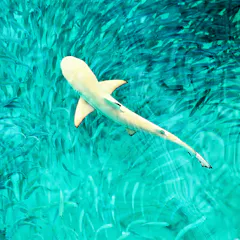
Some baby sharks eat their unborn siblings in utero, while others spend 100 years in childhood. Sink your teeth into the weird world of these juvenile wonders of the deep.
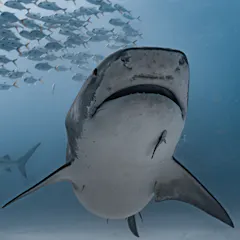
Through regulation, enforcement and monitoring, fisheries management can lead to recoveries in shark and ray populations.

Rhino rays, which are close relative of sharks, are some of the most fascinating – and most threatened – fishes that you’ve never heard of.
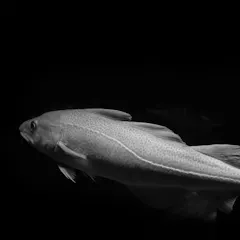
Having a flexible and adaptable management system is necessary to sustainably manage fisheries, especially in times of a rapidly changing climate.
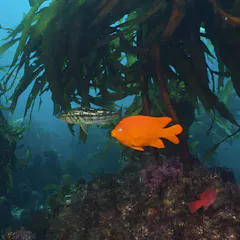
Humans rely on the ocean for food, jobs and other resources, but these systems are being stressed to the brink.
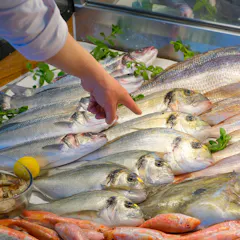
When you buy seafood, you can’t be sure it is what it says it is – and Australian wholesalers are resistant to new traceability technologies.
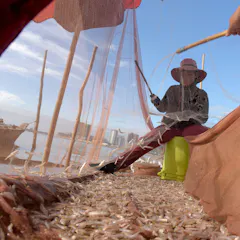
Putting a dollar value on nature has staunch opponents who say it’s morally wrong, but without it, building dams and other infrastructure can run roughshod over vital ecosystems.
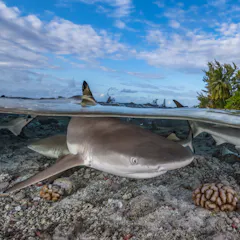
Over 100 shark and ray species were recently added to an international treaty, known as the CITES list, to protect them from the threat of unsustainable and illegal trade.
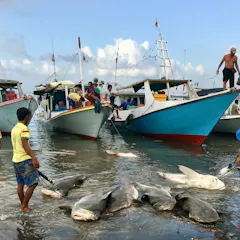
Countries have voted to limit the international shark trade, but this fails to account for the diversity in fishing contexts around the world.
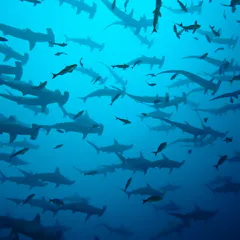
A study offers evidence that marine biology’s biggest stage is broken, and suggests ways to fix it.
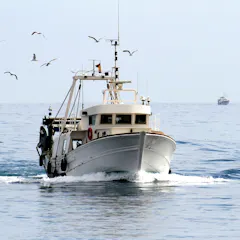
The warming observed in the Gulf of St. Lawrence is causing upheaval in the balance of the species living there. That is having direct repercussions on the commercial fishing sector.
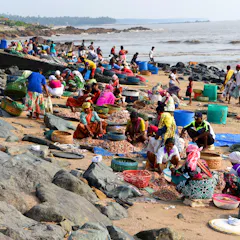
Facing human threats, Mumbai’s Koli community are taking risk reduction into their own hands – other vulnerable coastal settlements should take note.
Top contributors
-

Director & Professor, Fisheries Economics Research Unit, University of British Columbia
-
Faculty Research Associate in Marine Biology, Arizona State University
-
Professor of Marine Conservation, University of Exeter
-
Principal Research Fellow, Institute for Marine and Antarctic Studies, University of Tasmania
-
Postdoctoral research fellow in Biological Sciences, Simon Fraser University
-
Researcher in Ecosystem Dynamics, University of California, Santa Cruz
-
Senior Research Fellow, Conservation Science, University of Oxford; Bangor University
-
Wen Family Chair in Conservation, The University of Western Australia
-
Professor of Complex Systems and Environmental Policy, Bournemouth University
-
Professor of Marine Ecology, University of Southampton
-
Professor, Sustainable Marine Futures, Environment Institute, Adelaide University
-
Postdoctoral researcher, marine ecology, Adelaide University
-
Lecturer in Sustainable Futures, University of St Andrews
-
Professeur et Chaire de recherche du Canada en écologie halieutique, Université du Québec à Rimouski (UQAR)
-
Affiliated Researcher, Fisheries Economics Research Unit, University of British Columbia