
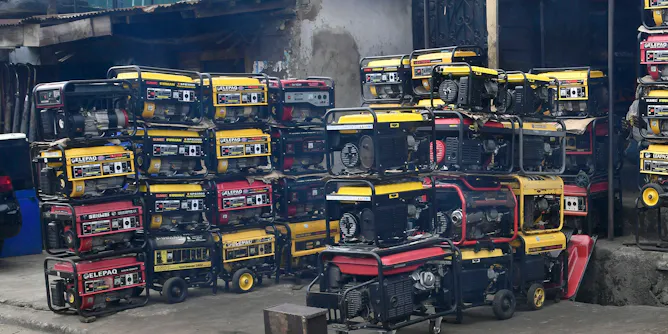
Nigeria’s electricity consumers are not simply paying for power, but for a system’s failure to deliver it.
Articles on Nigeria
Displaying 41 - 60 of 1376 articles

Assessments are often treated as culturally neutral when they are not.
Located in the same Sahel region and threatened by similar jihadist insurgents, Nigeria has some lessons to learn from Mali.
Weak surveillance and climate change could allow deadly hantaviruses to spread unnoticed across African countries, raising the risk of future outbreaks.
Floods regularly devastate Lagos’s informal workers, but traders and residents have built their own systems to adapt where the state has failed.

Nigeria’s government must invest in digital infrastructure to reduce corruption in its budget.
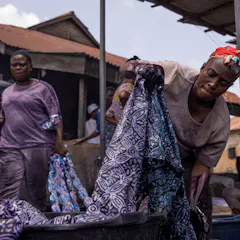
Childcare responsibilities, housing access and regional cultural norms influence where Nigerian women work.
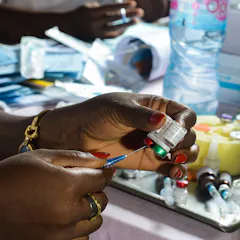
Malaria is still endemic in Africa.

Nigeria’s new electoral act doesn’t tackle some of the real problems of electoral governance.

Nigeria’s reliance on imported medicines is the outcome of a policy vacuum that has entrenched interests in commercially attractive, low-risk imports.
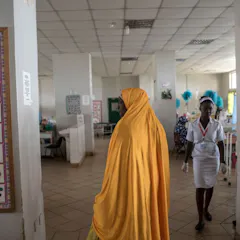
There are four practical policy shifts that the Nigerian government could take to improve the use of maternity services.
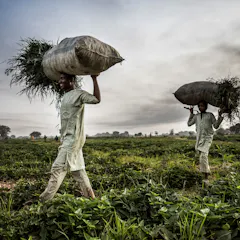
When conflict leads to abandoned fields, lost livestock, or altered investment decisions, it undermines food security and development.
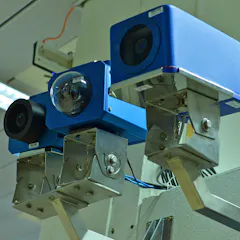
New biometric and AI border systems in west Africa promise better security but may also undermine privacy, increase discrimination and limit free movement.

The film insists that young Africans are not just passive recipients of imported technologies. They’re also active creators.
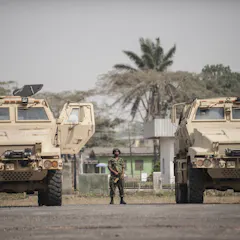
The deployment of US soldiers in Nigeria could have negative consequences.
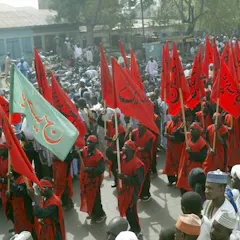
Although the theatre of the war is far away from Nigeria geographically, the impact is being felt in the country.
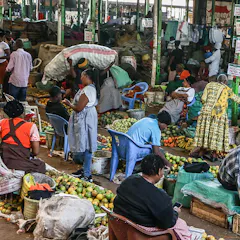
The universal fear is the effect the rise in prices is having on fuel, a staple commodity in every one of the countries for ordinary people as well as industries.

Preventing unintended pregnancies among women living with HIV is a critical strategy for the prevention of mother-to-child HIV transmission.
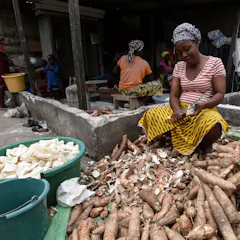
Cassava could thrive across more of Africa as the climate warms, but a deadly disease carried by whiteflies may spread faster, threatening the nutritious crop.

Legal frameworks that only regulate formal psychiatric facilities are written for a system the majority will not use.
Top contributors
-

Professor of Economics & Business, Allegheny College
-
Professor of Sociology (Criminology, Victimology and Security Studies), University of Ibadan
-
Reader (Associate Professor) Department of Political Science, Federal University of Lafia, Nigeria, Federal University Lafia
-
Fellow, Nigerian Academy of Science
-
Research Fellow, Obafemi Awolowo University, Regional Coordinator, Institute for Security Studies
-
Economist and Postgraduate Supervisor, University of Lancashire; Keele University
-
Professor of World Politics, SOAS, University of London
-
Associate professor in Politics and International Relations, Leeds Beckett University
-
Associate Academic Officer – Risk and Recovery Governance, United Nations University
-
Lecturer in Political Economy of Violence, Conflict and Development, SOAS, University of London
-
Executive Secretary, Nigerian Academy of Science
-
Researcher, Centre for Peace and Security Studies, Modibbo Adama University of Technology
-
Professor, Obafemi Awolowo University
-
Professor, Obafemi Awolowo University
-
Professor of Demography and Social Statistics., Obafemi Awolowo University