
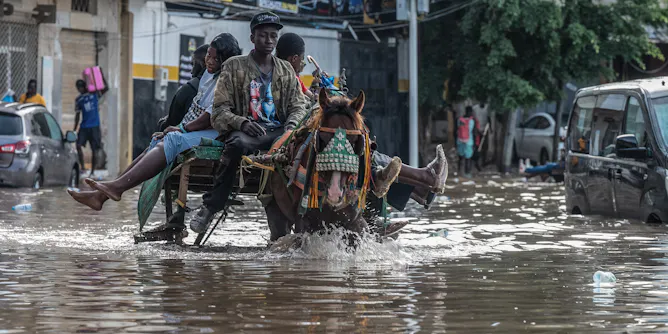
West Africa’s climate plans count physical damage but often overlook the cost of lost heritage and the community ties that disasters tear apart.
Articles on Ghana
Displaying 1 - 20 of 683 articles
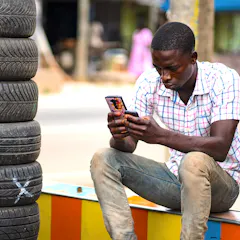
We should not assume that young people see betting simply as entertainment.
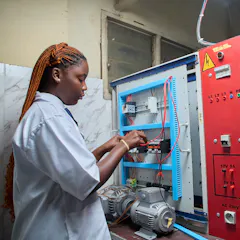
Solar and wind could bring women jobs and businesses in Ghana and South Africa, but governments must overturn inequalities in access to skills, loans and assets.
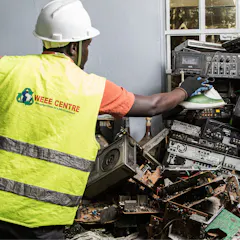
Africa’s circular economy is already at work in repair shops and scrap yards. Backing the people who keep goods in use could cut waste and create better jobs.
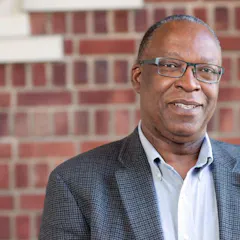
Among contemporary African musicologists, Agawu has been one of the most distinctive voices over the past half-century.

South Africa’s history shows that anti-immigrant violence is neither an aberration nor the country’s only possible path.
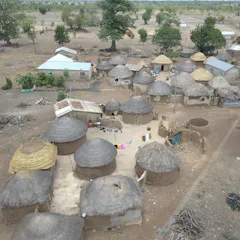
Modern styles of architecture can learn from traditional approaches to building.

People restoring Africa’s ecosystems need climate services that combine forecasts with Indigenous knowledge and information about land, water and livelihoods.

Digital platforms offer opportunities for African dance influencers to construct their own visions of what it means to be African.
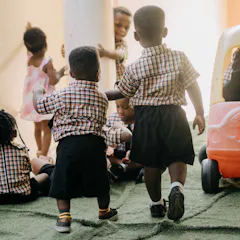
Why are some pre-primary education programmes more successful than others?
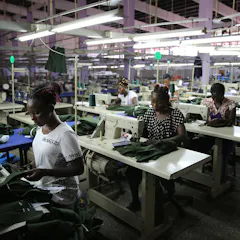
Going circular doesn’t have to mean buying expensive technology. African manufacturers can innovate by learning from what already exists.
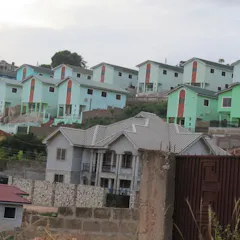
New census-based research shows Ghana’s policy must confront the quality of the homes people already occupy.
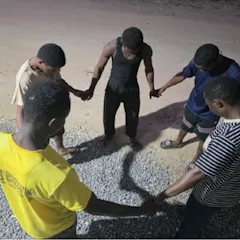
Ghanaian adolescents with disabilities often face hostile experiences that contribute to negative self-perceptions.
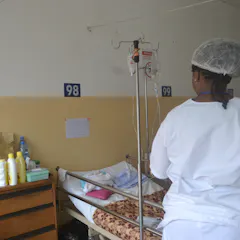
Questions persist over ethical recruitment from countries already facing healthcare workforce shortages.
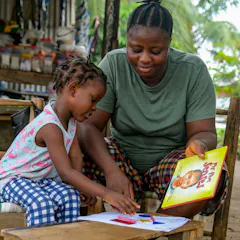
Reading together and taking an interest in homework makes a difference to young children’s learning.

Although it may seem strange to westerners, soccer and esoteric rituals go hand in hand in Africa.
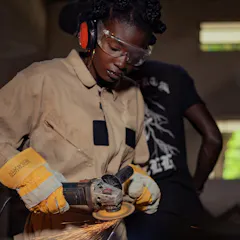
Youth employment programmes need to be built around real jobs, capable institutions and the young people they are meant to serve.
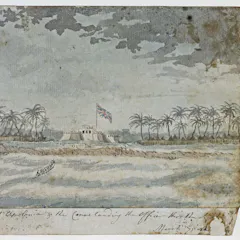
Why did Appolonia trade so few enslaved people? Short answer: unique economy and sacred beliefs.
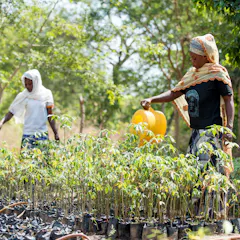
Ghana’s community conservation areas protect forests and wildlife while supporting rural livelihoods, but weak laws and funding threaten their future.
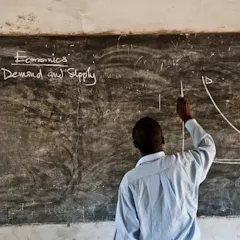
Teachers do not simply implement curriculum reforms exactly as policymakers design them.
Top contributors
-

Senior Research Associate, University of Oxford
-
Teaching Assistant Professor, University of Pittsburg and Visiting Associate Professor, The University of Osaka, University of Pittsburgh
-
Research Active Lecturer, Discipline of Psychology, Charles Darwin University, Charles Darwin University
-
Associate Lecturer, University of Aberdeen
-
Lecturer in Sustainability and Fellow of Indo Pacific Research Centre, Murdoch University
-
Senior Lecturer, Department of Planning, Kwame Nkrumah University of Science and Technology (KNUST)
-
Senior Lecturer, University of Environment and Sustainable Development
-
Associate Professor, Oxford School of Global and Area Studies/ History, University of Oxford
-
Senior Lecturer, Department of Planning, Kwame Nkrumah University of Science and Technology (KNUST)
-
Professor of Democracy, University of Birmingham
-
Lecturer, Department of Economics, University of Ghana
-
Lecturer in Security, Development and Leadership in Africa, King's College London
-
Associate Professor and Director of Christiansborg Archaeological Heritage Project, Associate Graduate Faculty, Rutgers University
-
PhD Candidate, University of Memphis
-
Senior Research Fellow in Global Health, University of Southampton