

Siblings experience higher anxiety, disrupted schooling and major changes to family life. Yet they are overlooked in discussions designed to support families.
Articles on New Zealand
Displaying 301 - 320 of 3121 articles

Overseas experience suggests predictive tools can improve child protection, if used carefully. Should NZ reconsider its stance?

Because of the way generative AI works, there is no real way to prevent false information being presented as truth – or to correct it permanently.
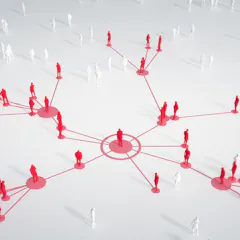
COVID models helped counter the virus but revealed less about the impacts of emergency measures. More sophisticated modelling can help balance those trade-offs.
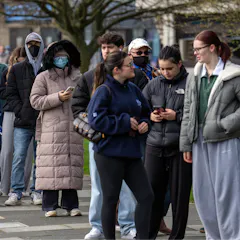
Outbreaks of bacterial meningitis at NZ and UK universities highlight a need for greater understanding and ongoing support for those who survive an infection.

Past crises show heavy state intervention can backfire – what should New Zealand do differently this time?

If the government wants to pursue more public-private partnerships, it must consider a funding model that guarantees equity of access.
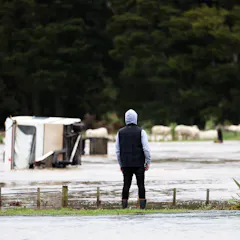
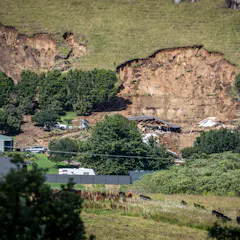
Post-disaster reviews show NZ repeats the same warnings. Breaking the cycle means stronger laws, clearer responsibilities and greater funding.

Diets high in ultra-processed foods are linked to many serious diseases, but without recent nutritional surveys there are gaps in understanding the health impacts.

For most elite women athletes, professional sport still doesn’t pay enough to make a living. But strategic investment will grow their visibility and earning power.
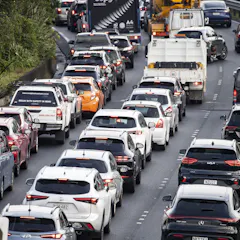
New Zealand generates more than 85% of its electricity from renewable sources, but transport remains almost entirely chained to imported oil.
COVID-19 hasn’t disappeared, but it’s no longer the health threat it was. Here’s what the latest wave means and who should get boosted.

The Hauraki Gulf is already experiencing more frequent and longer lasting marine heatwaves. Seabirds now have to travel further to find enough food.
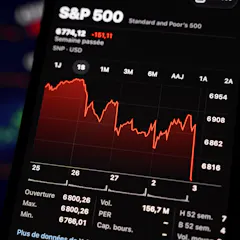
The cumulative return on a typical KiwiSaver growth fund since 2007 is around 240%. That’s despite a global financial crisis, COVID, trade wars and inflation.

One survey showed employees are 57% less likely than leaders to believe performance management is working well. But there are better ways.
Young children’s brains develop through interaction with others. Throwing AI into the mix could make it more difficult for them to navigate real-world relationships.
More than 60% of New Zealanders would like the government to do more to address climate change. But this won’t necessarily change how they vote.

When organisations go big on rules, they can create red tape instead of accountability. Providing more authority to decision-makers offers a smarter approach.
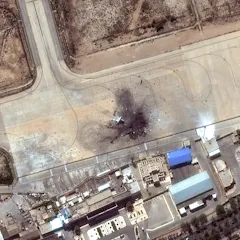
A new treaty on military space operations is highly unlikely, leaving private companies and militaries to define the boundaries of acceptable conduct in war.

Debates over responsibility for past species loss generate heat but little light. Moving forward requires context, evidence and Indigenous knowledge.
Top contributors
-

Professor of Law, University of Waikato
-
Professor of Politics, Te Kunenga ki Pūrehuroa – Massey University
-
Research Associate, Public Policy Institute, University of Auckland, Waipapa Taumata Rau
-
Adjunct Professor, Stout Research Centre, Victoria University of Wellington and Auckland University of Technology, Professor of Political Science, Charles Sturt University
-
Professor of Law, University of Waikato
-
Senior Lecturer in Urban Planning, University of Auckland, Waipapa Taumata Rau
-
Professor in Applied Mathematics, University of Canterbury
-
Professor in Sociology of Sport and Gender, University of Waikato
-
Professor of Law, Auckland University of Technology
-
Professor in Applied Mathematics, Te Kunenga ki Pūrehuroa – Massey University
-
Professor of Public Health, University of Otago
-
Professor of International Relations, University of Otago
-
Associate Professor in Ancient DNA, University of Otago
-
Professor of History, University of Canterbury
-
Adjunct professor, Te Herenga Waka — Victoria University of Wellington