
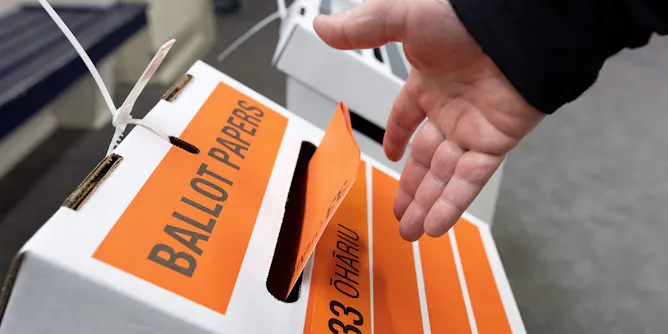
Voter turnout in New Zealand elections has been sliding for decades. Research suggests compulsory voting could reverse the trend – so what are the objections?
Articles on New Zealand
Displaying 221 - 240 of 3121 articles
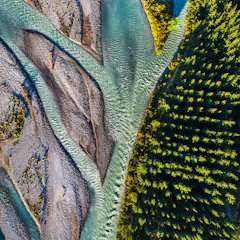
A New Zealand-focused analysis finds businesses in areas with healthier ecosystems tend to generate higher sales and profits, revealing an overlooked green benefit.

Prejudice and professional gate-keeping before and during WWII meant New Zealand denied itself an opportunity to save lives and boost its depleted health system.
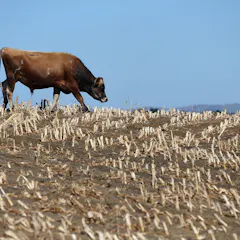
Analysis reveals some of NZ’s worst droughts occurred before 1950 – meaning recent experience may not reflect the full scale of future risk in a warming climate.

NZ’s world-first regime aimed to improve transparency in how institutions assess climate risk. So why are some choosing to say little about changes being made?
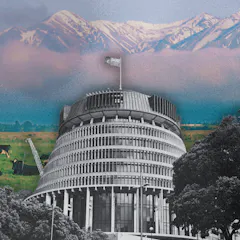
The law change will gut the capacity of tort law to hold greenhouse gas emitters and the government to account for climate harms.
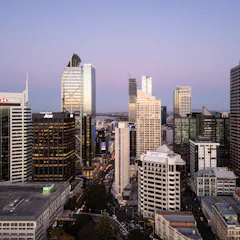
While NZ softens disclosure rules for large companies, investors are still factoring climate risk into decisions – with observable effects on capital flows.

New Zealand’s requirement for patient consent means junior doctors can’t perform CPR on a patient, or practise care of babies and people with dementia.
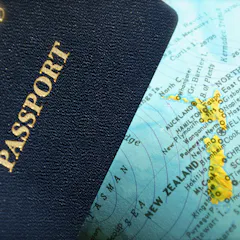
Can a short multiple-choice test encourage new citizens to connect with a sense of national identity, or does it risk oversimplifying complex, contested ideas?
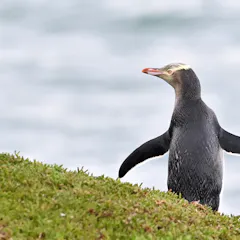
Researchers found the endangered yellow-eyed penguin is made up of three distinct subspecies, with the mainland lineage at greatest risk.

The government’s scrapping of the fees-free scheme saves money but doesn’t solve deeper inequalities that shape who enrols in tertiary education in the first place.

Surveys may overestimate belief in conspiracy theories because of trolls and jokers – but genuine believers can still cause real-world harm.

The public sector is being encouraged to embrace AI. But can the largely voluntary governance framework we’re building to manage the technology be trusted to work?

Doctors have to balance finite resources and uncertain evidence to decide who should get treatments. The decisions are not always based on need or clinical benefits.
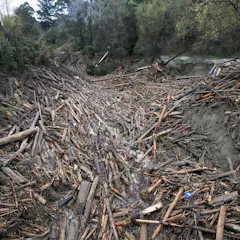
An analysis shows forestry clear-cutting limits in Tairāwhiti have barely been applied, as new rules take a more permissive stance on slash risk.
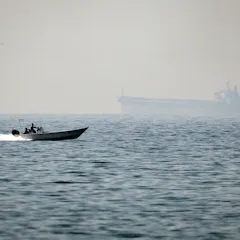
Iranian tariffs in the Strait of Hormuz may change how oil is traded and priced, with implications for currencies, alliances and global economic power.

Scrapping the Broadcasting Standards Authority raises big questions about industry self-regulation and media accountability in the digital age.

New Zealand’s population structure is changing rapidly, yet the country has no comprehensive strategy to intervene or adapt to demographic shifts.

Big tech is investing heavily in AI infrastructure. For countries like New Zealand, there are clear gains – but also important trade-offs.
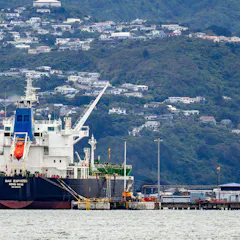
NZ today stands as the only International Energy Agency member whose public oil reserves lie entirely offshore. How can it now rebuild its domestic fuel resilience?
Top contributors
-

Professor of Law, University of Waikato
-
Professor of Politics, Te Kunenga ki Pūrehuroa – Massey University
-
Research Associate, Public Policy Institute, University of Auckland, Waipapa Taumata Rau
-
Adjunct Professor, Stout Research Centre, Victoria University of Wellington and Auckland University of Technology, Professor of Political Science, Charles Sturt University
-
Professor of Law, University of Waikato
-
Senior Lecturer in Urban Planning, University of Auckland, Waipapa Taumata Rau
-
Professor in Applied Mathematics, University of Canterbury
-
Professor in Sociology of Sport and Gender, University of Waikato
-
Professor of Law, Auckland University of Technology
-
Professor in Applied Mathematics, Te Kunenga ki Pūrehuroa – Massey University
-
Professor of Public Health, University of Otago
-
Professor of International Relations, University of Otago
-
Associate Professor in Ancient DNA, University of Otago
-
Professor of History, University of Canterbury
-
Adjunct professor, Te Herenga Waka — Victoria University of Wellington