
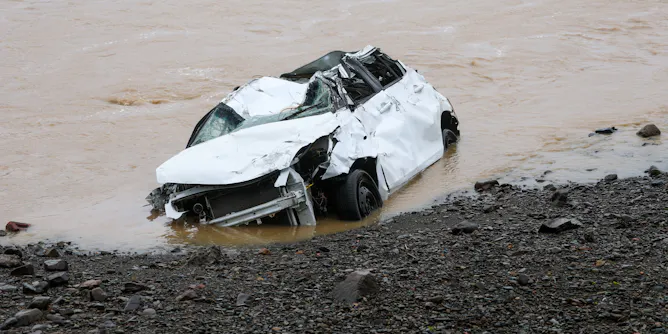
Wellington’s extreme deluge was caused by an unfortunate combination of weather factors. But a warming climate is upping the odds of more of these events in future.
Articles on New Zealand
Displaying 261 - 280 of 3121 articles

Women are highly aware of alcohol’s immediate effects, but, in a culture that promotes drinking as self-care, dangers down the track aren’t front of mind.

Youth unemployment is rising in New Zealand as junior roles increasingly disappear from the labour market. But the picture is more complex than AI eliminating jobs.

New research shows ‘cultural intelligence’ has both beneficial and unintended effects, challenging common assumptions about its role in healthcare.
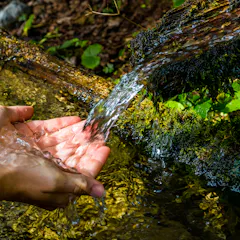
A new report shows nitrate contamination has been worsening at more than a third of monitored groundwater sites – likely because of human activities.
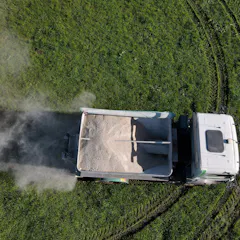
There have been repeated calls for a food security strategy in NZ, but little progress. Will a global fertiliser shock now prompt leaders to act?

Plants can tune into the sound of water to direct their roots towards it, or release toxins to make themselves less palatable to browsing animals.
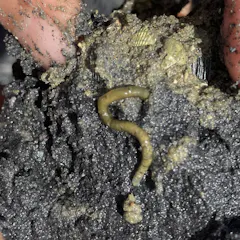
Tiny seafloor creatures play a vital role in coastal ecosystems. New research suggests microplastics may now be interfering with that balance.

With AI slop and misinformation on the rise, research suggests New Zealanders may be turning back to mainstream news for reliability and accountability.
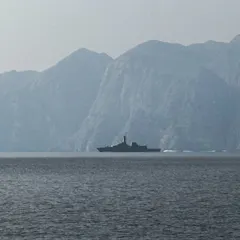
The pivotal waterway is much more than a global economic choke point. It is a politically and culturally dynamic region with its own dangerous undercurrents.
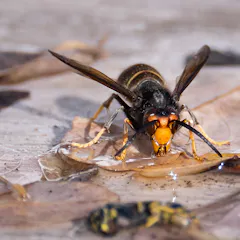
No new hornet nests have been found for weeks. But as the invasive species enters a key breeding phase, public vigilance could be key to eliminating the threat.

Why the prevalence of neurodivergent protagonists in police procedurals? And what are viewers gaining by watching stories predicated on this form of difference?

NASA’s Artemis II mission has revived lunar ambition – and a potential new race between nations. Very different visions now complicate the human future of space.
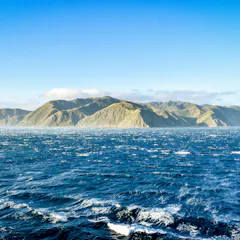
The oil shocks of the 1970s spurred marine energy innovation. Fifty years on, New Zealand still has vast untapped ocean power waiting to be harnessed.

Interest-free loans are hoped to expand NZ’s electric vehicle charging network. But without wider changes, EV uptake may remain slow and uneven.
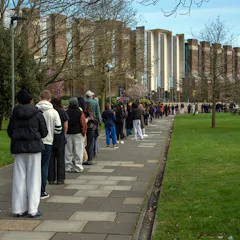
Teens and young adults are more likely to be asymptomatic carriers of the bacterium that cause meningococcal disease, making university students a high-risk group.
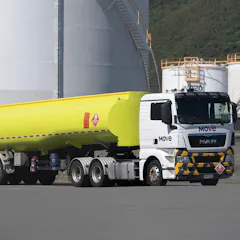
Promoting fuel saving measures as vital to energy security would help frame the oil shock as a technical problem to be solved, not a political issue to be fought.

Australia, Canada and the US identified themselves as ‘white men’s countries’ in the early 20th century and coordinated immigration restrictions to keep them that way.

World Health Organization regulations are not a threat to national sovereignty, and they apply lessons learned from COVID. So why did NZ opt out?

The prevalence of long COVID is more than a hundred times greater than the definition of a rare disease – yet there are no specific health services or support.
Top contributors
-

Professor of Law, University of Waikato
-
Professor of Politics, Te Kunenga ki Pūrehuroa – Massey University
-
Research Associate, Public Policy Institute, University of Auckland, Waipapa Taumata Rau
-
Adjunct Professor, Stout Research Centre, Victoria University of Wellington and Auckland University of Technology, Professor of Political Science, Charles Sturt University
-
Professor of Law, University of Waikato
-
Senior Lecturer in Urban Planning, University of Auckland, Waipapa Taumata Rau
-
Professor in Applied Mathematics, University of Canterbury
-
Professor in Sociology of Sport and Gender, University of Waikato
-
Professor of Law, Auckland University of Technology
-
Professor in Applied Mathematics, Te Kunenga ki Pūrehuroa – Massey University
-
Professor of Public Health, University of Otago
-
Professor of International Relations, University of Otago
-
Associate Professor in Ancient DNA, University of Otago
-
Professor of History, University of Canterbury
-
Adjunct professor, Te Herenga Waka — Victoria University of Wellington