
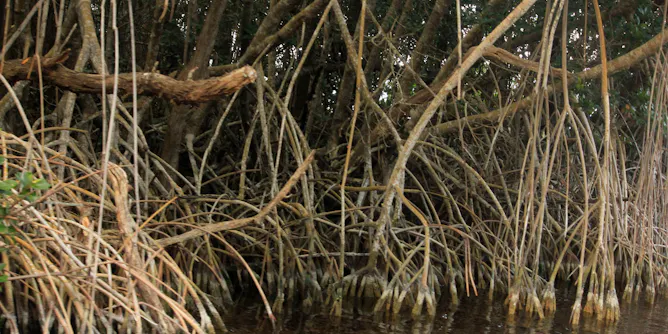
Mangroves offer natural protection against flooding. Without them, communities are left vulnerable.
Articles on Natural world
Displaying 41 - 60 of 155 articles
A Namibian desert beetle cools down by running in the sun.

African striped mice are used to desert conditions but are showing dehydration as climate change heats up their environment.
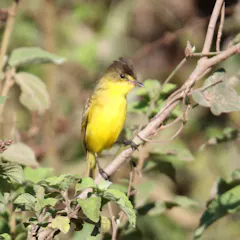
Warblers in high mountain wetlands change their dawn singing with temperature, rain, wind, humidity and moonlight, showing how weather shapes wildlife behaviour.

An Ethiopian wolf, Africa’s most endangered carnivore, was found shot in the leg. What happened next was astonishing.

Conflict between baboons and humans won’t change unless human behaviour changes.
Decades of experimentation revealed slow ecological processes and long-term interactions that have international scientific value.
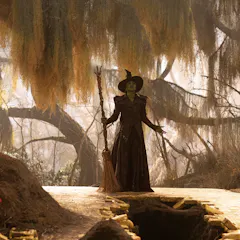
In the Wicked sequel, Elphaba is an ecological and political disruptor, reclaiming agency for herself and for the natural world she strives to protect.
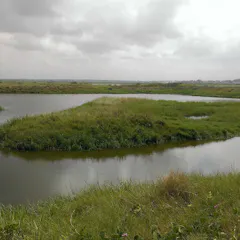
In Ghana, the degradation of wetlands is widespread and many are in poor condition.

Studying charismatic species increased the likelihood of negative workplace experiences for younger colleagues, women and researchers.

Chimpanzees are capable of responding to wounds in inventive and sometimes cooperative ways.

Using satellites and AI, scientists have mapped wildebeest across the Serengeti-Mara, offering a new perspective on how this movement can be monitored from space.

The link between feeding and breeding makes whales a living barometer of ocean health.

Black mambas were found to be indicators of toxic poisons from heavy metals.

Some wasp species adjust the number of male offspring they produce when sharing fig trees with other wasp species.
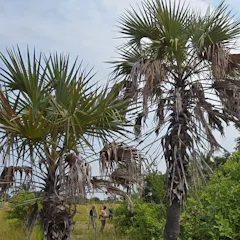
Palms play a vital role in food, culture and livelihoods. A new pan-African network aims to study, protect and conserve the continent’s unique and rare palm trees.
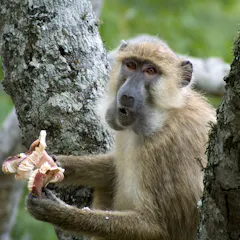
Mushrooms make up a crucial part of some monkeys’ diets, offering insights into the past.
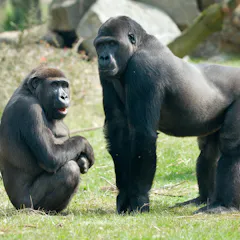
Most primate societies do not have clear-cut sex-biases when it comes to power.
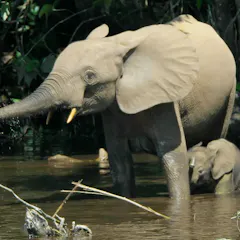
Large animals are key to the survival of big trees as they disperse seeds far and wide in their dung.
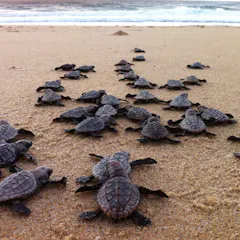
Little is known about the early life of sea turtle hatchlings but a modelling study shows the importance of ocean currents in their journeys.
Top contributors
-

Visiting Research Fellow, Manchester Metropolitan University
-
Visiting Research Fellow, Manchester Metropolitan University
-
Senior Researcher and Statistician, University of Hohenheim
-
Senior research scientist, Stellenbosch University
-
Scientist, South African National Biodiversity Institute
-
Research Associate, Department of Conservation Management, Nelson Mandela University
-
Assistant Professor, University of Greifswald
-
Research Associate, African Centre for Coastal Palaeoscience, Nelson Mandela University
-
PhD Zoology, University of Pretoria
-
Research associate, Stellenbosch University
-
Baobab Ecologist, University of the Witwatersrand
-
Senior scientist, South African National Biodiversity Institute
-
Professor and Chair, Southwestern Environmental Science and Policy, Northern Arizona University
-
Research Fellow at the Centre for Planetary Health and Resilient Conservation Group, Griffith University
-
Postdoctoral associate, Centre national de la recherche scientifique (CNRS); University of the Witwatersrand