
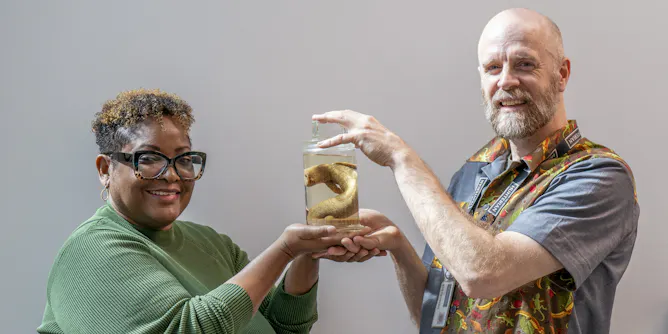
Not all reparations involve money. Returning unique scientific resources is also a way of showing respect and righting past harms.
Articles on Natural history collections
Displaying all articles
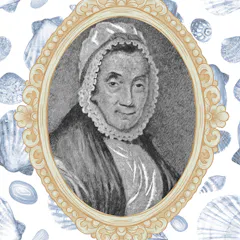
Collecting shells was a common past time in Enlightenment Britain, when elite women were becoming increasingly interested in science.
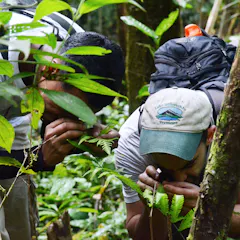
Botanizing is the practice of observing and appreciating plant life. Two plant scientists explain how it benefits people and the planet.
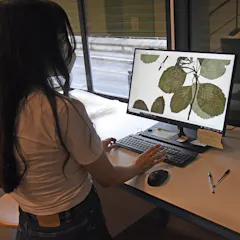
The colonial era profoundly shaped natural history museums and collections. Herbaria, which are scientists’ main source of plant specimens from around the world, are no exception.
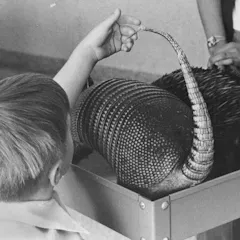
Museum archives hold biological specimens that have been collected over years or even decades. Modern molecular analysis of these collections can reveal information about pathogens and their spread.
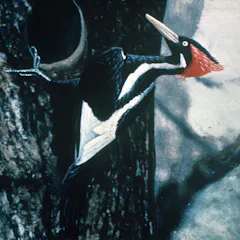
There are no more ivory-billed woodpeckers or Bachman’s Warblers on Earth, but they’ve left an echo behind.
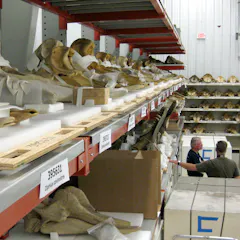
Specimen preservation means researchers don’t need to reinvent the wheel each time they ask a new question, making it critical for the advancement of science. But many specimens are discarded or lost.
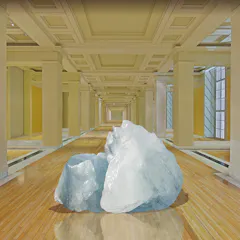
How museums can reimagine themselves in the context of the climate crisis.
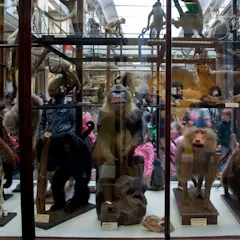
Genetic information that could help finger the next infectious threat is stored in museums around the world.

From fungi and flies to spiders and fish, living collections need care and feeding even when their human keepers are dealing with a pandemic and its resultant social distancing.
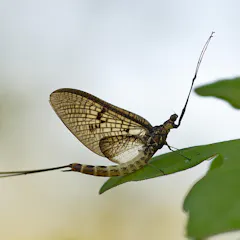
Mayflies and stone flies are extremely vulnerable to water pollution, which has implications for the larger food chain.

Museums’ collections are a priceless resource for scientists, but they’re not easy to access. Digitizing specimens – like the 700 bat skulls the author studied – is a way to let everyone in.
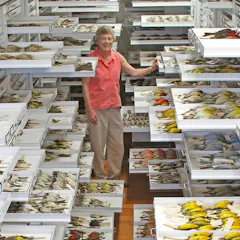
Taxonomists are becoming as rare as some of the species they work on, and this puts museum collections and conservation efforts under threat and increases the risk of biosecurity incursions.
Top contributors
-

Scientific Computing Consultant, University of Minnesota
-
Associate Professor in Ancient DNA, University of Otago
-
Lecturer in History of Art and Liberal Arts, University of Bristol
-
Professor of Biology, West Virginia University
-
Professor of Heritage Studies, UCL
-
Associate Professor of Mycology and Plant Pathology, West Virginia University
-
Professor of Biology and Curator, Division of Mammals, Museum of Southwestern Biology, University of New Mexico
-
Postdoctoral Researcher in Mycology, West Virginia University
-
Assistant Professor of Plant Evolutionary Biology, University of Tennessee
-
Assistant Professor of Heritage, Museums, and the Environment, University of Amsterdam
-
Ph.D. Candidate in Ecology of Infectious Diseases, University of Kansas
-
Higher Education & Laboratory Coordinator at Harvard Forest, Harvard University
-
Assistant Professor of Ecology & Evolutionary Biology and Assistant Curator of Mammals, University of Kansas
-
Assistant Professor of Biology, University of North Carolina – Greensboro
-
Assistant Professor of Biological Sciences, Purdue University