
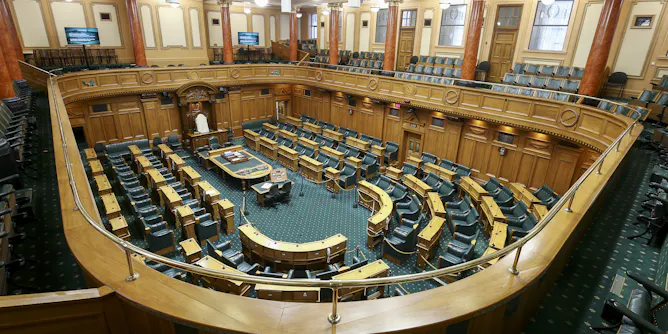
New Zealand’s parliament is small compared to similar countries. Proportionality will be increasingly hard to achieve without adding more seats.
Articles on NZ Election 2026
Displaying 1 - 20 of 53 articles
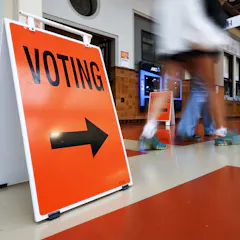
Two previous opportunities to improve the way MMP works have been missed. The 2026 election result shows why better stewardship of the system is needed.
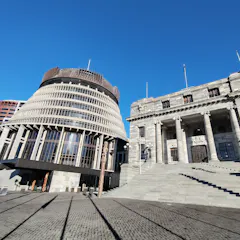
There are strong incentives for the parties in parliament to find a way forward – not least the prospect of being punished at a new election for failing.
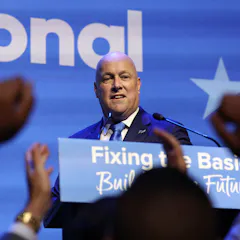
An unprecedented MMP election result suggests the tectonic plates of New Zealand politics are drifting, with the electoral rules struggling to compensate.
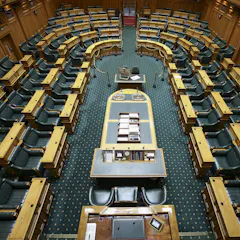
Current overhang provisions skew proportional representation and provide incentives to distort the electoral system. But finding a fair solution is proving difficult.
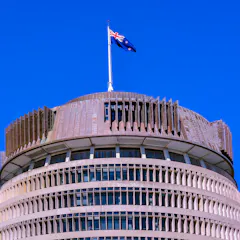
Polls were showing the right leading the left before the election, but National, ACT and New Zealand First all did better on the night.
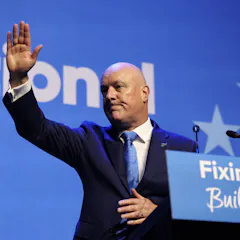
The final election result won’t be known for three weeks and coalition negotiations will take even longer. But it’s not correct to say ‘there’s no government’.
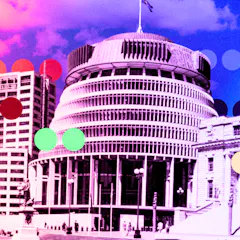
Provisional results suggest a parliamentary overhang of nine seats, which means a majority requires 66 seats.

With special votes still to come, three possible scenarios could determine who governs NZ – and whether Christopher Luxon or Chris Hipkins becomes prime minister.
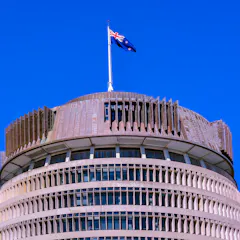
With a day till the election, final polls show a left shift but the right still in front – with the Opportunity Party’s fate still a decisive factor.
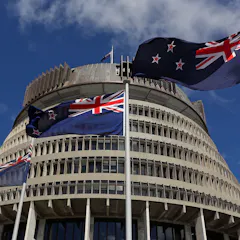
With so many variables in play, and polls pointing to a very tight result, there may be no obvious winner on the night – and a long wait for a new government.

A new report identifies 17 threats to human health through to the year 2100. Many are preventable, but tackling them demands governments think long-term.

NZ’s environmental problems are mounting, while the regulatory system managing them has undergone radical change.
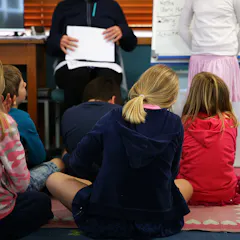
Sweeping changes to the curriculum, NCEA and school governance have divided the education sector, all while major challenges remain overlooked.

As experts propose a new public institute to guide AI policy, national survey findings show high concern among Māori and Asian people about how their data is used.

Whatever the election outcome, the next government inherits difficult decisions about revenue and a tax system struggling to keep pace with change.

National’s repeated refusal to work with potential king-making party Opportunity might appear self-sabotaging – but there’s a hidden logic at play.
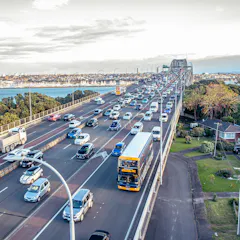
Election promises focus on new roads and cheaper fares. But making transport affordable also means giving New Zealanders practical alternatives to driving.
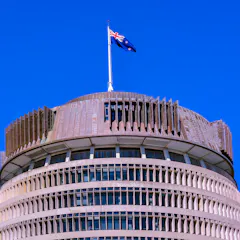
The latest 1News Verian poll suggests the right may not need Opportunity to form a government.
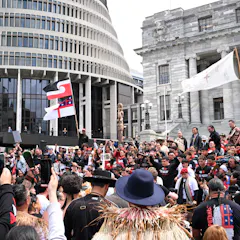
How much should Māori voices count in public life? And when does decision-making belong outside government and within Māori institutions?
Top contributors
-

Research Associate, Public Policy Institute, University of Auckland, Waipapa Taumata Rau
-
Election Analyst (Psephologist) at The Conversation; and Honorary Associate, School of Mathematics and Statistics, The University of Melbourne
-
Professor of Politics, Te Kunenga ki Pūrehuroa – Massey University
-
Associate Professor, Department of Economics, University of Otago
-
Senior Lecturer in Artificial Intelligence, Te Herenga Waka — Victoria University of Wellington
-
Senior Lecturer in Law, Auckland University of Technology
-
Associate Professor of Sociology, University of Otago
-
Professor of Law, University of Otago
-
Professional Teaching Fellow, Business School, University of Auckland, Waipapa Taumata Rau
-
Senior Lecturer, Te Whare Ngangahau–Theatre and Performance Studies, Te Herenga Waka — Victoria University of Wellington
-
Adjunct Research Fellow, School of Government, Te Herenga Waka — Victoria University of Wellington
-
Senior Lecturer in Strategy, Adelaide University
-
Associate Professor in Media and Communication, Te Herenga Waka — Victoria University of Wellington
-
Adjunct Associate Professor, Centre for Applied Energy Economics and Policy Research, Griffith University
-
Demographer/Lecturer in Population Studies, University of Waikato