

About one in three Swedish births are from foreign-born mothers.
Articles on Maternity care
Displaying 21 - 40 of 41 articles
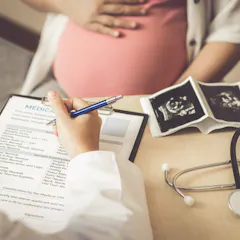
Several familiar maternity terms have been abandoned after a consultation with pregnant women and healthcare professionals.

About one in six pregnant women in Australia are now diagnosed with gestational diabetes. Rates have more than doubled since the thresholds for diagnosis were changed.

New Zealand’s healthcare policies for migrants generally rate highly, but women and children with a migrant background still experience language barriers, systemic racism and lack of support.

There will be lessons we can learn for the future of childbearing once the pandemic is over.

The pandemic will affect types of care and social beliefs about reproduction in the longer term.

‘Catching a baby’ or caring for new parents on Christmas Day is special, midwives say. But Christmas can also be a vulnerable time for many women, especially so during a pandemic.

Almost one in three new mothers report severe problems getting their baby to sleep and settle. Every baby is different but some women are more likely to struggle – here’s why.
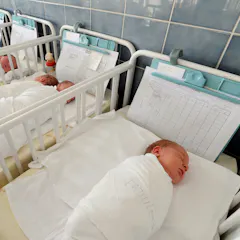
The UK is facing a population crisis with birth rates at an all-time low.

Sarah and Donna are 26 weeks pregnant and have the same blood sugar levels. But while Donna is diagnosed with gestational diabetes, Sarah is spared from the label. It comes down to where she lives.
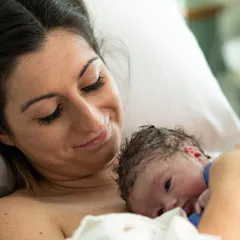
When World War II struck, the British government evacuated women to hospitals in the countryside to give birth – and the change still affects maternity care today.
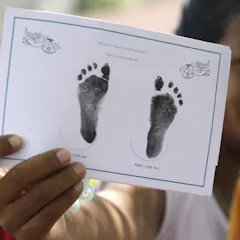
Researchers found stark differences in child mental health and infant mortality rates, depending on whether immigrant mothers were covered by inclusive policies or not.

We don’t know much about fear during childbirth and its effects on outcomes for women and their newborns in the United States.
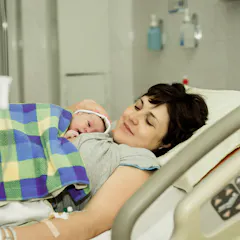
One of the key times women need reliable contraception is soon after they give birth. But they often have a hard time getting long-acting reversible methods, like IUDs and contraceptive implants.
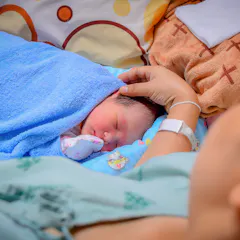
New York’s achievements have provided a beacon of hope as well as a road map that has been successfully tailored to the needs of resource-poor settings throughout the world.
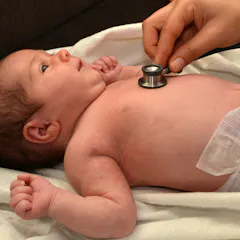
Home births are on the up but hospitals still matter.

Save The Children’s latest State of the World’s Mothers report highlights the impact of rising inequality on maternal deaths.

Medical intervention in birth is normalised by both maternity care providers and all kinds of media. Our research shows information about the benefits of natural birth help women make better choices.
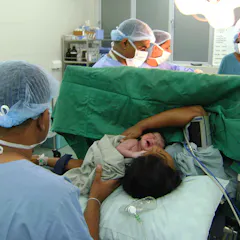
Hospitals provide much-needed medical care and treatment for women who run into difficulty in childbirth. But many women and babies have medical intervention and treatment without good reason. We’ve become…

We all have different expectations about how involved dads should be during pregnancy and childbirth. In the UK, it’s generally seen as a good thing and research is now beginning to show that it matters…
Top contributors
-

Professor of Midwifery, Associate Dean Research and HDR, Midwifery Discipline Leader, Western Sydney University
-
Nottingham Trent University
-
Senior Lecturer, Public Health, Auckland University of Technology
-
Associate Professor in Public Health and Wellcome Trust Career Development Fellow, Swansea University
-
Professor of Maternal and Child Health, University of Stirling
-
Research Officer, Auckland University of Technology
-
Assistant Professor of Obstetrics and Gynecology, University of Michigan
-
Associate Professor of Economics, University of Southern Denmark
-
Professor of Pediatrics and Public Health; Public Voices Fellow, Columbia University
-
Research Fellow, Queensland University of Technology
-
Associate Professor in Public Health, Queensland University of Technology
-
Professor, Promotional Chair, James Cook University
-
Principal Lecturer in Midwifery, University of Brighton
-
Indigenous Research Midwife, Stillbirth Centre of Research Excellence, The University of Queensland
-
Associate Professor of Family Medicine, University of Michigan