
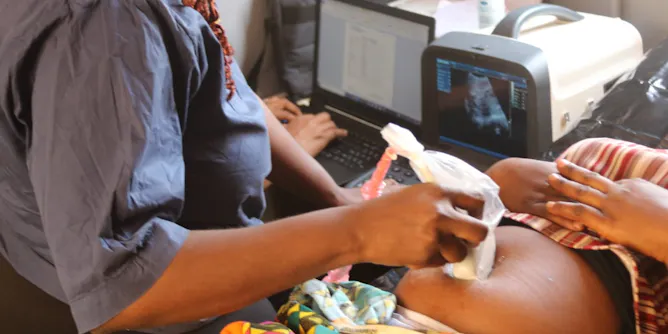
Eliminating disrespect and abuse during childbirth is a global health priority.
Articles on Childbirth
Displaying 1 - 20 of 197 articles

Three hundred years after Mary Toft claimed to give birth to rabbits, her story raises enduring questions about medical authority and women’s voices in childbirth.

Using ‘closeting chains’ to restrain women is unsafe and degrading, but it still happens in Australia. It’s time the practice was banned.
Induction is often recommended when a pregnancy goes over 41 weeks to reduce the risk of stillbirth. But it’s not consequence-free.

Past trauma can amplify the difficulties, sexual or otherwise, that arise after having a baby.

Birth involves emissions from travel, pain relief and disposable products, but system-level changes can reduce them without restricting choice.
You spend your pregnancy researching and planning for when your baby finally arrives. But how much autonomy do women have?
Pelvic organ prolapse may develop and worsen after pregnancy and childbirth, around menopause or because of lifestyle and genetic factors.

Leave for the non-birthing parent after a new baby arrives gives the family an opportunity to bond.

Around one in three women report their birth experience as traumatic. And it’s not always related to medical emergencies.
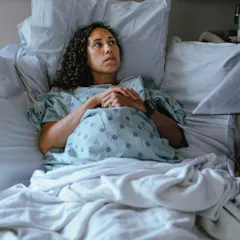
Massage is in; examinations are out. Here’s what to think about if you’re considering hiring a doula.
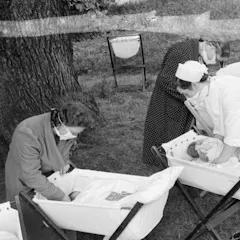
In a religious culture rooted in shame, up to half a million children in the UK and Ireland were put up for adoption without their mothers’ consent.
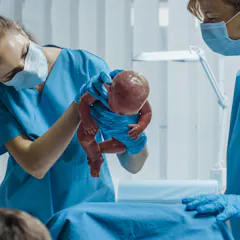
Scrutiny is essential after harm. But repeated reviews without delivery can damage staff trust and weaken patient safety.

The Nottingham maternity review shows why women need better assessment and support at the very start of labour.

Sometimes, women who want a freebirth are aware of the risks. But some feel this is their only option.

As emergency caesarean rates rise, research from Bangladesh and England suggests decisions are shaped by more than clinical need.

Our study looked at 36.6 million summer births.

Two studies in the field of perinatal care show how, in the areas of breastfeeding and obstetrics, science prioritizes risk and the baby at the expense of mothers’ well-being.
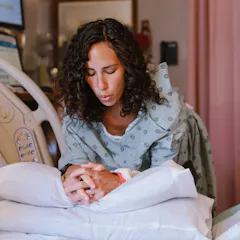
Most women give birth in public hospitals, seeing whichever midwife or doctor is rostered on. But research shows seeing the same person reduces a number of risks.
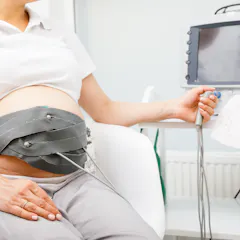
Research gaps in biomechanics and foetal movement may be holding back improvements in maternity safety.
Top contributors
-

Professor of Midwifery, Associate Dean Research and HDR, Midwifery Discipline Leader, Western Sydney University
-
Associate Professor of Midwifery, Western Sydney University
-
Caroline Homer is a Friend of The Conversation.
Deputy Director (Gender Equity, Diversity and Inclusion), Burnet Institute
-
Professor of Maternal and Child Health, University of Stirling
-
Professor in Midwifery, University of Sydney
-
Assistant Professor of Obstetrics, Gynecology and Reproductive Biology, Harvard University
-
Senior Lecturer in Midwifery, Monash University
-
Associate professor, University of California, San Francisco
-
Professor of Midwifery and Dean in the Faculty of Health Sciences, Southern Cross University
-
Senior Research Fellow in Maternal and Reproductive Health, University of Hull
-
Associate professor, London School of Hygiene & Tropical Medicine
-
Professor of Midwifery, Monash University
-
NHMRC Early Career Fellow, The Kids Research Institute Australia
-
Lecturer, King's College London
-
Postdoctoral Fellow, University of Warwick