

There will be lessons we can learn for the future of childbearing once the pandemic is over.
Articles on Maternal health
Displaying 81 - 100 of 187 articles
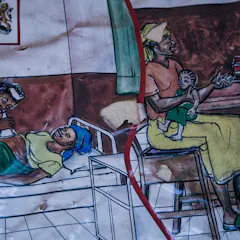
High quality antenatal care can improve maternal health in West and Central Africa by identifying and addressing underlying problems that can cause pregnancy complications.

Men are increasingly expected to share housework and spend time with their partners and children.
Studies in poor countries have highlighted disparities in respectful and responsive care during childbirth based on women’s socioeconomic status and other characteristics.

The health and wellbeing effects will go beyond the direct impact of war-related fatalities, and are likely to last for years after peace is fully restored.

The importance of accessing water that’s safe to drink and enough for washing, cleaning and cooking is clear, but little attention has been given to the safety of water collection away from home.

Industry marketing can shape beliefs about formula feeding.
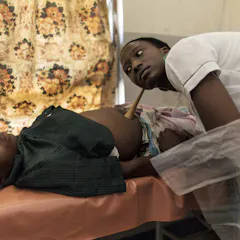
Male involvement in prevention of mother-to-child transmission of HIV is key for the uptake of services and retention in care. When men are involved, HIV exposed or infected children do better.

Removal of user fees or full subsidisation of insurance premiums doesn’t fully eliminate financial access barriers.

A new study explores the challenges that pregnant women in megacities such as Lagos face in emergency situations and how the options vary depending on their socioeconomic status.
COVID-19 has added a new layer of stress to people’s lives, increasing the chances of women developing symptoms of perinatal depression.
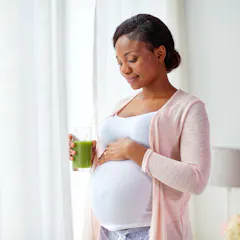
Your immune system changes when you are pregnant, and this may help protect you and your child from COVID-19 – but we need more research to understand this better.

Endometriosis affects 10% of women, but many live with painful symptoms of the condition for years without a diagnosis. A lack of non-invasive screening tools and normalisation of period pain both play a role in this.
Reducing maternal deaths in developing countries relies on the ability of health systems to swiftly identify and manage women at high risk.
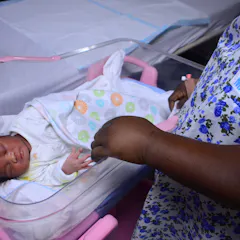
Unfortunately, disrespectful and neglectful treatment of women during childbirth, including verbal, physical and emotional abuse is not uncommon.
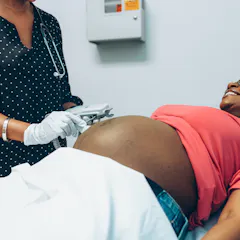
Measures put in place to curb the spread of COVID-19 may worsen the already poor access to quality maternal health services in parts of the continent.
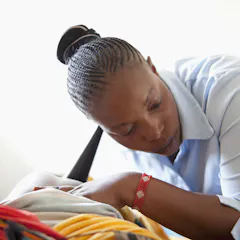
Verbal and physical abuse appeared to be an expression of both helplessness and an exercise of power.
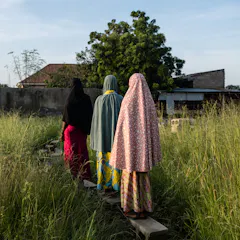
Understanding the drivers of early childbearing in specific contexts is important for effective policy making.
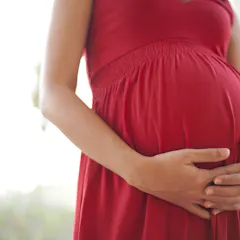
Having a baby is stressful enough without also having to process misinformation. Here are the facts from the WHO, experts and the research evidence.
With the introduction of free maternal healthcare, Nigeria appears to have got more women using health facilities, but there are more hurdles to cross.
Top contributors
-

Professor of Child Public Health, Swansea University
-
Professor of Midwifery, Associate Dean Research and HDR, Midwifery Discipline Leader, Western Sydney University
-
Research scientist, African Population and Health Research Center
-
Senior lecturer, York St John University
-
Professor of Obstetrics & Gynaecology, Griffith University
-
Associate professor, London School of Hygiene & Tropical Medicine
-
Research Scientist, African Population and Health Research Center
-
Associate professor, University of California, San Francisco
-
Research Fellow, University of Bergen
-
Vicki Flenady is a Friend of The Conversation.
Professor, Mater Research Institute; Director, Centre of Research Excellence in Stillbirth, The University of Queensland
-
Director of the Perinatal Mental Health Project; Associate Professor, University of Cape Town
-
Honorary Associate Professor, Australian National University
-
Caroline Homer is a Friend of The Conversation.
Deputy Director (Gender Equity, Diversity and Inclusion), Burnet Institute
-
Professor of Human Immunology, Swansea University
-
Research Assistant Professor of Maternal and Child Health, Texas A&M University