

A March of Dimes report gave the US a grade of D+ for maternal and infant health care, highlighting that the national preterm birth rate hit 10.5% in 2021, a record 15-year high.
Articles on Maternal health
Displaying 41 - 60 of 187 articles
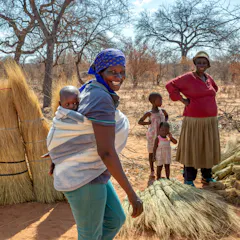
The success of the Maputo Protocol in protecting the rights of women and eliminating discrimination is remarkable.

Breastfeeding isn’t always a peaceful, bonding experience between parent and child. As many as 1 in 5 women say that they felt an intense aversion to breastfeeding.

Abortion bans and restrictions have numerous downstream effects on health care. For instance, medical students in states where those laws exist will not receive training for some standard procedures.
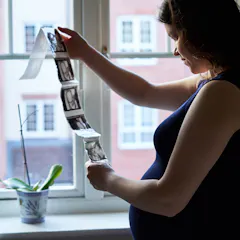
Foetal protection laws carry health risks for both mothers and babies.

A recent report found that black women are four times more likely to die while pregnant or just after childbirth, compared with white women.

Research findings are mostly reassuring for parents — despite the disruptions to nearly every aspect of life during the COVID-19 pandemic, most children continue to show healthy development.
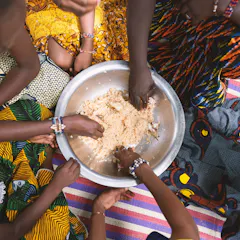
Using simple behavioural science models can help programmes to understand people’s lives and how to design nutrition interventions that directly benefit them.

Rahima Moosa Hospital caters for a very large number of women and children. The large patient numbers and high burden of care have a negative impact on the hospital.
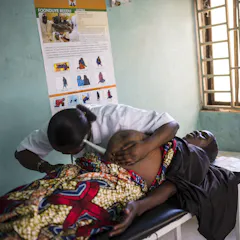
When women have opportunities, a country’s economic productivity and development is enhanced.

The outcomes of obstetric operations has improved in the past decades. But women need equitable surgical care throughout their lives - not just during childbirth.

Extending visits from nurses who can listen without judgement and offer practical, evidence-informed advice helps new parents who are experiencing adversity.
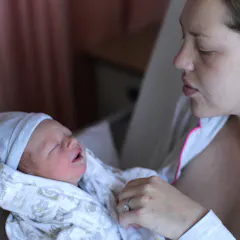
Many of the preventable pregnancy-related deaths documented by the CDC are directly attributable to failures and barriers in the maternal care system.
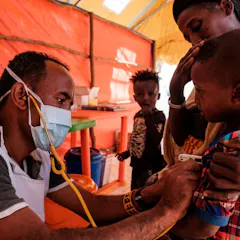
Since the war broke out, some healthcare workers have lost their jobs, others have been displaced, wounded, threatened or killed.
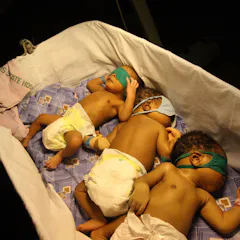
Pregnant women attending antenatal care should be asked about cooking fuels and given help to minimise prenatal biomass exposure to reduce low birth weight in Nigeria.
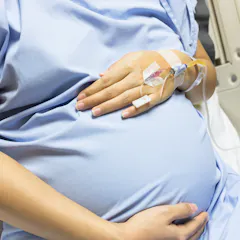
While sepsis is considered to be a preventable cause of maternal death, it continues to be a major cause of women dying during or after childbirth, even in Australia.
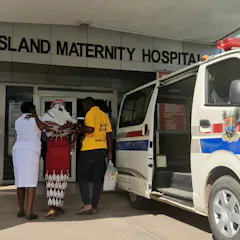
Every year, seven in ten maternal deaths occur in sub-Saharan Africa. A study examining sub-Saharan Africa’s largest metropolis find that inequalities in access play a key role.

Nigeria must prioritise investment in education, health and infrastructure to harness the opportunities of its huge population.
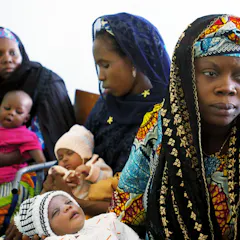
More attention should be given to the oral health of women during the reproductive years, in particular those who have many children.
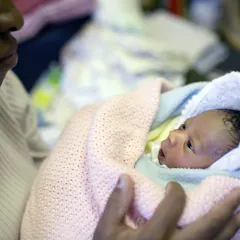
Maternal mental health conditions are a reflection of harmful social and economic factors that plague women in general.
Top contributors
-

Professor of Child Public Health, Swansea University
-
Professor of Midwifery, Associate Dean Research and HDR, Midwifery Discipline Leader, Western Sydney University
-
Research scientist, African Population and Health Research Center
-
Senior lecturer, York St John University
-
Professor of Obstetrics & Gynaecology, Griffith University
-
Associate professor, London School of Hygiene & Tropical Medicine
-
Research Scientist, African Population and Health Research Center
-
Associate professor, University of California, San Francisco
-
Research Fellow, University of Bergen
-
Vicki Flenady is a Friend of The Conversation.
Professor, Mater Research Institute; Director, Centre of Research Excellence in Stillbirth, The University of Queensland
-
Director of the Perinatal Mental Health Project; Associate Professor, University of Cape Town
-
Honorary Associate Professor, Australian National University
-
Caroline Homer is a Friend of The Conversation.
Deputy Director (Gender Equity, Diversity and Inclusion), Burnet Institute
-
Professor of Human Immunology, Swansea University
-
Research Assistant Professor of Maternal and Child Health, Texas A&M University