
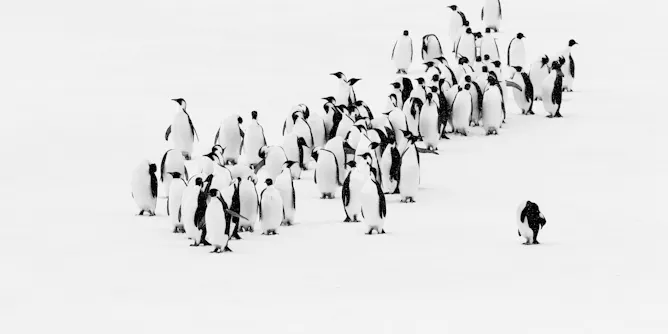
If we want to live in a world with Emperor penguins, we need to cut emissions steeply and protect parts of the ocean around Antarctica where climate change will have the biggest impact.
Articles on Marine protected areas
Displaying 21 - 40 of 80 articles
Open ocean sharks are globally threatened with extinction. Knowing where they are helps us protect them. Here, new research into silky sharks reveals priorities for conservation.
China and Russia have been blocking international plans to protect marine life in East Antarctica. Will next week’s special meeting in Chile break the deadlock? Australia hopes so.

As the number of protected areas continues to grow, fisher households in Indonesia are still among the poorest of the poor.
A handful of wealthy states have so far monopolised the benefits of exploring the remote ocean.
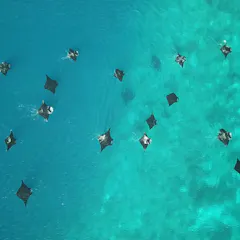
Our new, world-first research provides strong evidence of a significant increase in reef manta rays in protected areas of Raja Ampat over a decade.
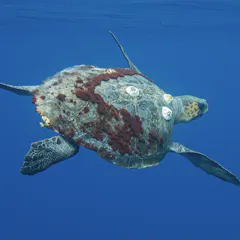
Standard marine protected areas with fixed boundaries can’t effectively shelter these ocean nomads.
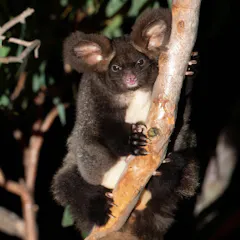
Yes, the new threatened species plan is better. But it’s nowhere near enough to actually prevent Australian species from dying out
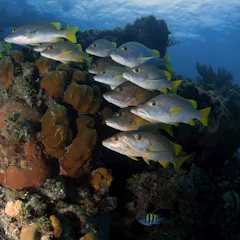
As nations pledge to preserve swaths of ocean within their territorial waters, a marine scientist explains why some marine protected areas shelter ocean life more effectively than others.
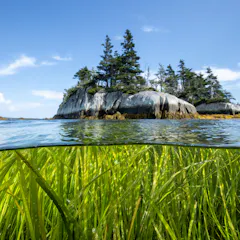
It is time to acknowledge and address the rapid shifts in Canada’s oceans. To meet this challenge, Canada’s marine conservation toolbox — starting with the Oceans Act — needs an overhaul.
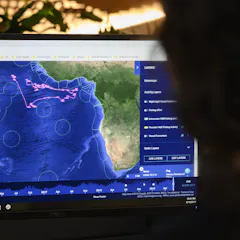
One of the oldest industries, fishing, is entering the world of advanced analytics and data-driven planning. With oceans under stress and key fish stocks dwindling, can precision fishing help?
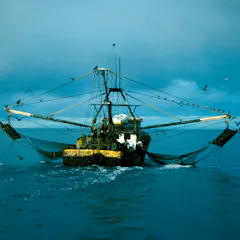
It involves a trade-off between seafood production and seabed conservation.
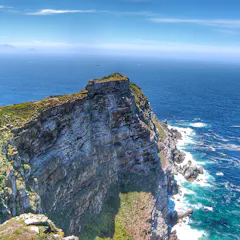
The social, ecological and governance objectives of marine protected areas need to be understood to enhance benefits to both people and the environment.
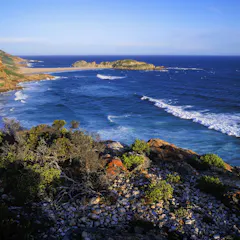
If the local context and priorities of those who most directly rely on natural resources for their survival isn’t considered, conservation efforts will continue to fail.

In the design of marine protected areas, new research suggests that it might be better to start small in order to gain local trust and support that leads to larger long-term benefits.
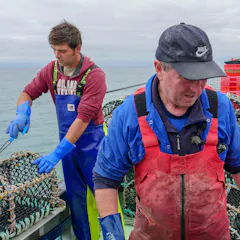
Around 75% of fishermen in the Outer Hebrides speak Gaelic. Their daily use of the language at work helps keep it alive.
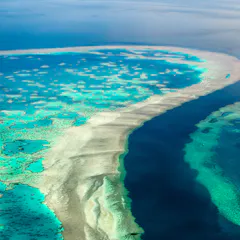
Australia needs to drop the deception that square kilometres say anything meaningful about conservation.
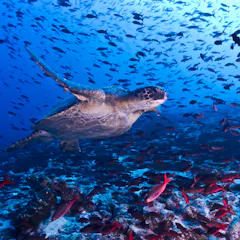
Marine protected areas will be important for achieving the ocean Sustainable Development Goals.
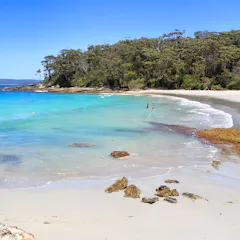
Partially protected areas don’t have more wildlife than unprotected areas. They consume conservation resources and occupy space that could otherwise be allocated to more effective protection.
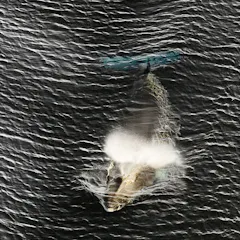
Global leaders pledged to protect 10% of the oceans by 2020. We’re nowhere close and the goal has proven particularly challenging to achieve in international waters.
Top contributors
-

Associate Professor of Integrative Biology, Oregon State University
-
Emeritus Professor of Environmental Governance, UCL
-
Professor of Marine Conservation, University of Exeter
-
PhD Candidate, School of Biological Sciences, Queen's University Belfast
-
Professor of Complex Systems and Environmental Policy, Bournemouth University
-
Associate Professor in Ocean Stewardship, Stockholm University
-
Professor in Wildlife Ecology and Conservation, School of Life & Environmental Sciences, Deakin University
-
Professor, Conservation Planning, ARC Centre of Excellence for Coral Reef Studies, James Cook University
-
Distinguished University Professor and Adviser in Marine Studies, Oregon State University
-
Assistant Professor - Geography and Development, Northumbria University, Newcastle
-
Assistant Professor Environmental Studies, University of Colorado Boulder
-
PhD Student, Department of Geography, University of Guelph
-
Researcher in Ecosystem Dynamics, University of California, Santa Cruz
-
Director & Professor, Fisheries Economics Research Unit, University of British Columbia
-
Coral Reef Ecologist, National Oceanic and Atmospheric Administration