

While it is fair to say that Warhammer 40k has so far been underrepresented in science fiction circles, it seems the tide is finally starting to turn.
Articles on Literature
Displaying 221 - 240 of 1024 articles
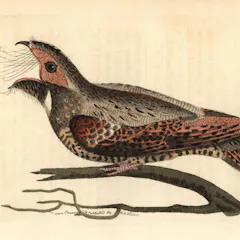
A new film adaptation of Stephen King’s ‘Salem’s Lot’ swaps in an owl for the book’s haunting whip-poor-wills, showing how species loss is also tied into cultural loss.
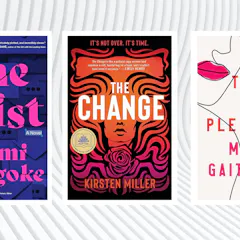
There are now several crime novels that specifically reference the #MeToo movement.
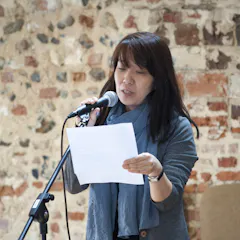
Working with Han Kang, I experienced a writer who respected translation as its own process of writing.

Rooney has rejected the label.

The idea of generations as self-conscious group identities came into being with the trauma and upheaval of the first world war.

Han Kang’s poetry and short stories are just as innovative and important as her novels.
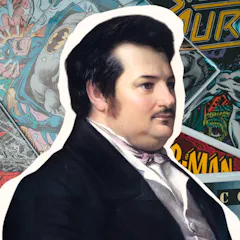
The ‘parallel universe’ style of storytelling has deep literary roots.

The ‘trad wives’ of social media, like Christian fiction writers, rely on a romanticized image of white, westernized femininity.
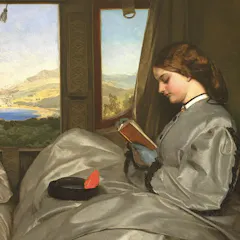
Before GPS, maps weren’t just functional – they were part of the adventure.
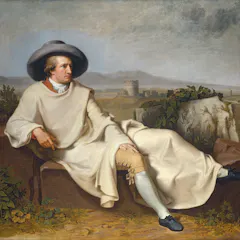
A novel that invites adoration and controversy in equal measure, Goethe’s The Sorrows of Young Werther has endured in the popular imagination.
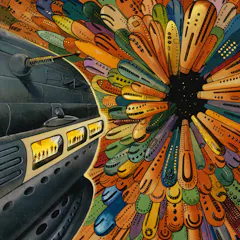
Science fiction can be thought of as a film negative of history – a back door into what used to worry people and what gave them hope.
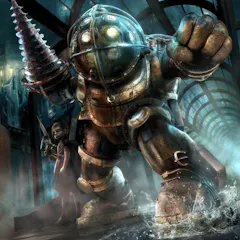
Novels have provided source material for games for years. Here are four examples of games that wear their literary inspirations on their sleeves.
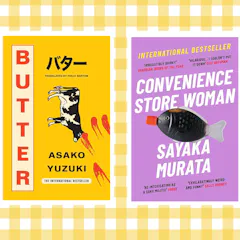
I invite you to sample four tasty literary courses that present, for your delectation, the trials and travails of post-war Japanese women.
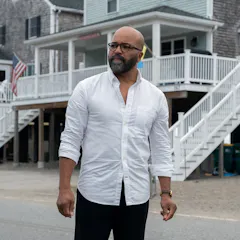
Literary discourse requires authors of colour to produce “authentic” narratives. They are then required to embody this “authenticity” when presenting themselves in public.

The Irish literary scene is thriving, which makes choosing just five other Irish writers likely to appeal to fans of Rooney a daunting task.

Kenya’s first post-independence president used his writings to present himself as a leader of an exceptional sort.
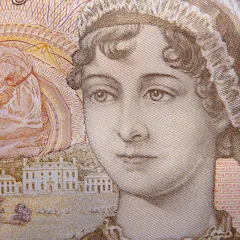
The author of ‘Pride and Prejudice’ and other classic novels used the words ‘slave’ and ‘slavery’ nearly a dozen times in her books.

It happens in journalism and it happens in the arts. But in Congress – where just 2% of representatives held blue-collar or service-industry jobs before entering politics – it’s rampant.

A life in five parts in a changing France is wrought powerfully on stage in this adaptation of Annie Ernaux’s book The Years
Top contributors
-

Associate Professor in Literary Studies, Monash University
-
Professor in Politics and Journalism, University of Notre Dame Australia
-
Distinguished Professor Emerita of Creative Practice, Faculty of Arts and Design, University of Canberra
-
Associate Professor of Postcolonial and Global Literatures, Nottingham Trent University
-
Professor, Chair of Australian Literature, The University of Western Australia
-
Associate Professor, Creative Writing and Literary Studies, Victoria University
-
Visiting Fellow, Centre for Cultural and Creative Research, University of Canberra, University of Canberra
-
Lecturer, School of Design, University of Technology Sydney
-
Professor of English, Institute for Humanities and Social Sciences, Australian Catholic University
-
Senior Lecturer in Literature, Aston University
-
Senior Lecturer, Writing, Department of Media and Communication, Swinburne University of Technology
-
Honorary Fellow of the School of Languages and Linguistics, The University of Melbourne
-
Honorary Associate in Creative Writing, The Open University
-
Postdoctoral Fellow, Contemporary English Literature and Critical Theory, University College Dublin
-
Professor, School of Culture and Communication, The University of Melbourne