
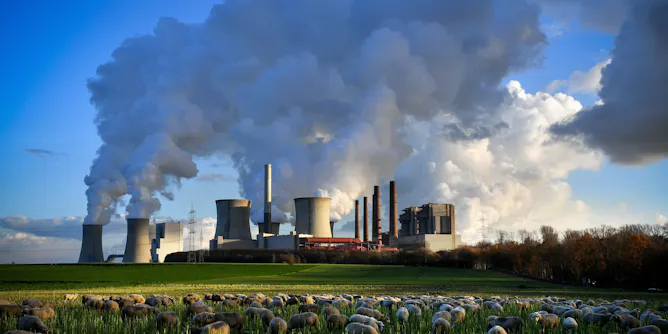
Carbon emissions will hit a record high for the second year in a row, but there is a small silver lining: the rate of emissions growth has slowed dramatically.
Articles on Liquefied natural gas (LNG)
Displaying 61 - 80 of 123 articles
Coal and gas have been proposed as a way to make ‘clean’ hydrogen. But that road is full of challenges.
In the same decade we are supposed to be cutting emissions under the Paris goals, our coal production is projected to increase by 34%.
If Australia is the biggest gas exporter in the world, why are we shipping it back in? Because the gas market is dysfunctional - and it means consumers are suffering.

The costs, and the pain, of climate change only increase the longer we wait to act.
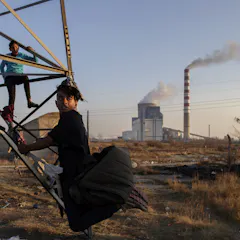
Ahead of the UN climate summit, we take stock of the world’s best and worst performers on climate action - including some surprise success stories.
Australia is one of the sunniest and windiest countries on the planet, but emissions are still rising. How do you justify that?
Only an optimist would expect prices to fall after a series of announcements, some of which are to “consider” doing something.
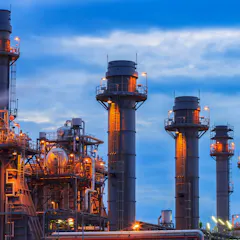
South Africa’s policymakers see a greater role for liquefied natural gas in the country’s energy mix, reduce the country’s over-reliance on coal and drive re-industrialisation.

A fifth of the world’s oil travels through the narrow waterway.
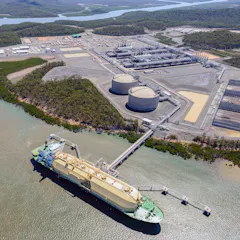
The federal government claims that Australia’s rising emissions are offset by savings around the globe when Australian gas exports replace other fossil fuels. But the numbers don’t stack up like that.
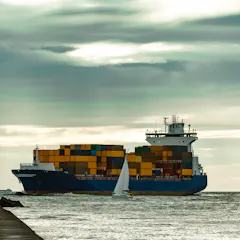
Shipping companies are expected to halve their greenhouse gas emissions by 2050.
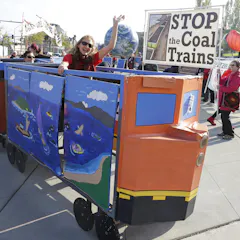
The ‘thin green line’ of resistance against any new infrastructure for shipping oil, gas and coal abroad has won many battles.

It’s time to engage with Indigenous people through the governance systems built prior to European settlement.

The oil-exporting organization may have mustered the political will to cut production, but its disunity remains intact.
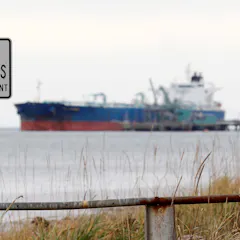
The ‘thin green line’ of resistance against any new infrastructure for shipping oil, gas and coal abroad has won many battles. But it faces a new source of pressure: the Trump administration.

Burning natural gas produces less greenhouse gases than coal or oil. But the methane emissions associated with natural gas production and liquefaction threaten to erode its environmental benefits.

Not only does U.S. law bar price-fixing, there are bipartisan efforts underway to make it possible to sue OPEC members in American courts for antitrust violations.
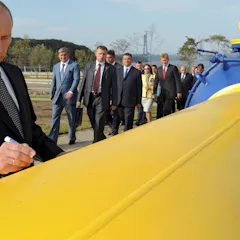
Even if Asia buys most of the natural gas the U.S. will be exporting soon, America’s growing role in that market could wind up reducing Russia’s political influence in Europe.
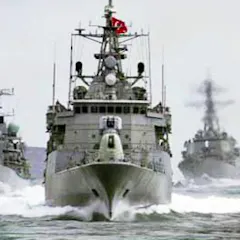
The prospect of gas wealth has been escalating old rivalries and disputes between Turkey, Cyprus, Lebanon, Israel, Egypt and Greece.
Top contributors
-

Professor of Law, Deakin University
-
Professor of Global Energy, Warwick Business School, University of Warwick
-
Adjunct Professor of Energy, Murdoch University
-
Senior Fellow in Energy and Climate Change, Grattan Institute
-
climate campaigner
-
Visiting Fellow, Crawford School of Public Policy, Australian National University
-
Adjunct Senior Research Fellow, Business Law and Taxation Dept, Monash Business School, Monash University
-
Energy Advisor, formerly, The University of Melbourne
-
Honorary Fellow, The University of Queensland
-
Nonresident Fellow in Energy Studies, Baker Institute for Public Policy, Rice University
-
Honorary Associate Professor, Centre for Climate Economics and Policy, Australian National University
-
Associate Professor of Sociology, School of Public Policy, Oregon State University
-
Royal Academy of Engineering Chair in Emerging Technologies - Intelligent & Resilient Ocean Engineering, University of Southampton
-
Professor of Energy and Natural Resources Law, Macquarie University
-
Professor of Political Science, School of Regulation and Global Governance, Australian National University