
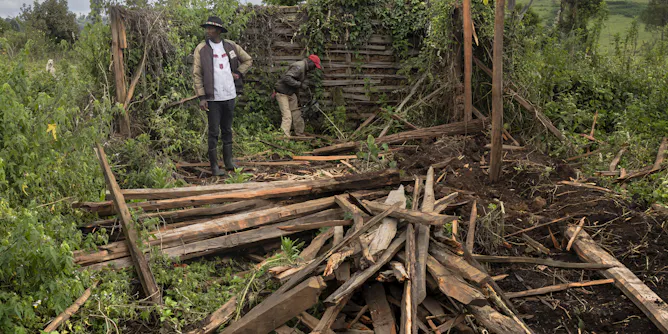
Efforts to protect land and environmental resources, including fighting climate change, often end up displacing people who have lived in those places for generations.
Articles on Land conservation
Displaying all articles
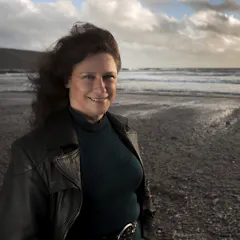
An ecologist at the IPCC for over 25 years, Camille Parmesan, who is also a refugee scientist, explains how to preserve biodiversity on a warming planet.
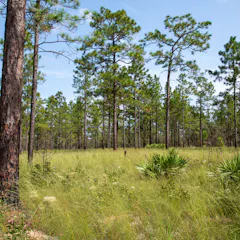
Effective conservation of old-growth ecosystems will work best if it considers their varied ecology.
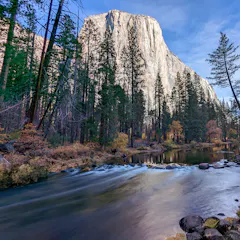
Private conservation groups channel huge sums of money to parks and protected areas around the world, but often have failed to protect basic rights of Indigenous people living on those lands.
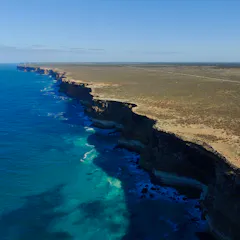
Most of us see only the dry treeless plain and spectacular sea cliffs. But beneath the surface there’s a precious world of caves and unique species that could be lost without better protection.

As we set conservation goals for the next decade, we need to evaluate what worked and what didn’t in our efforts to meet the 2020 biodiversity conservation targets.
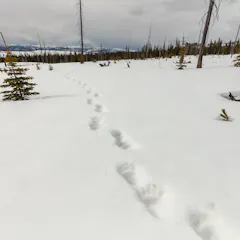
Parks and refuges are important for conservation, but without connections, they’re like islands. Linking them by protecting land in between makes it possible for wildlife to move over bigger areas.
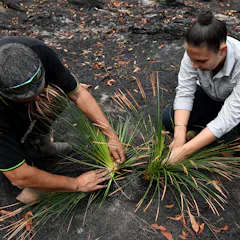
Country by Bruce Pascoe and Bill Gammage is a dialogue between experts on First Nations ways of farming and agriculture. It is also a call to Australia to look after Country better.

Aboriginal people view so-called wilderness as sick, neglected land. This runs counter to the view of wilderness as pristine and healthy, which underpins non-Indigenous conservation efforts.
Top contributors
-

Director, Theoretical and Experimental Ecology Station (SETE), Centre national de la recherche scientifique (CNRS); University of Plymouth; The University of Texas at Austin
-
ARC Industry Fellow, Adelaide University
-
Lecturer in Environmental Studies, Brandeis University
-
Senior Fellow, Development Geography, The University of Melbourne
-
Doctoral Candidate, UNSW
-
Associate Professor, School of Geography, The University of Melbourne
-
Professor, Department of Geography, Environment and Geomatics, University of Guelph
-
PhD Candidate, Department of Geography, Environment and Geomatics / Guelph Institute of Development Studies, University of Guelph
-
Postdoctoral Fellow, Max Planck Institute of Geoanthropology
-
Adjunct Research Fellow, Environment, La Trobe University
-
Professor of Geography, The University of Melbourne
-
Adjunct Lecturer, History, Archaeology, Indigenous Studies and Geography, Flinders University
-
Distinguished Professor of Conservation Biology & Policy, University of Montana
-
Senior Lecturer, School of Biological Sciences, Adelaide University
-
Professor of International Law, Wake Forest University