
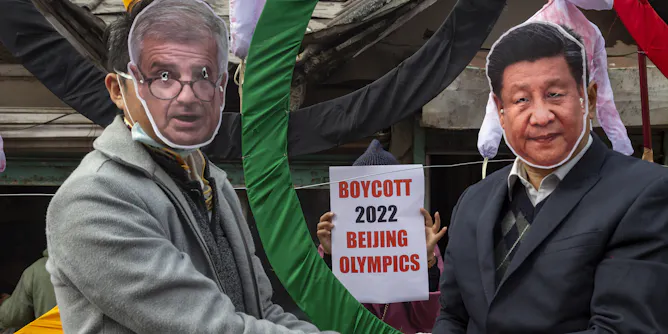
Olympic broadcasters can help Canadians support the Uyghurs, Tibetans, pro-democracy advocates and others fighting for their human rights in China by cancelling their Olympic coverage.
Articles on International Olympic Committee (IOC)
Displaying 41 - 60 of 147 articles
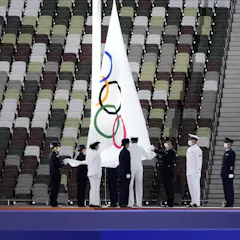
The Olympics will have to be adaptable in order to keep up with the rapidly shifting economic landscape and changing interest in the Games if it wants to continue to turn massive profits.
Instead of boycotting the upcoming Winter Olympics in Beijing, activists should pressure the IOC to let anyone attending the Games to express their views on China without fear of penalization.
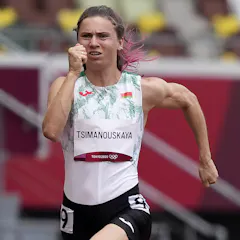
Belarus sprinter Krystsina Tsimanouskaya is part of a long history of athletes seeking protection or the chance to start a new life at the Olympics.
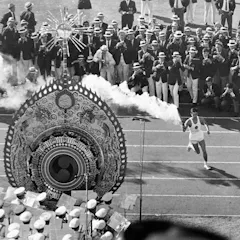
The Olympics claim not to be political, but in the 1960s a counter movement organized by left-leaning countries put politics front and centre.

These will not only be the most expensive Summer Games ever, they have likely come at a tremendous reputational cost for the IOC.
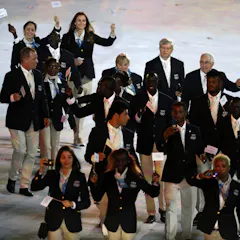
The IOC welcomes repressive regimes to the Olympic games. This means athletes from those countries are often placed in an invidious posiiton.
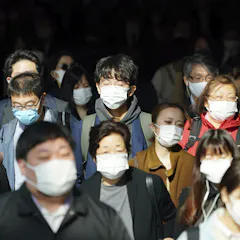
Let’s make one thing perfectly clear — nothing short of people’s lives are at stake at the Tokyo Olympics. No amount of money can justify a single preventable death.

The inclusion of new action sports can offend Olympic traditionalists and outsiders alike. But it’s part of a long-term strategy to keep the games relevant and appealing to younger fans.

The Tokyo 2020 Olympic Games won’t have in-person spectators. What does this mean for local sponsors?
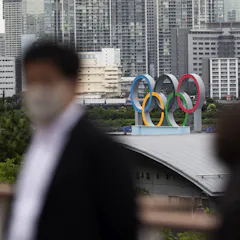
Concerns about holding the 2020 Tokyo Olympic Games during a state of emergency highlights just how much power the International Olympic Committee wields over the global sporting world.
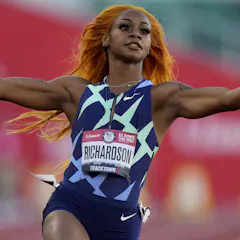
In the wake of debate about cannabis, performance-enhancing drugs and the Olympic Games, athlete-driven doping legislation is the way forward.
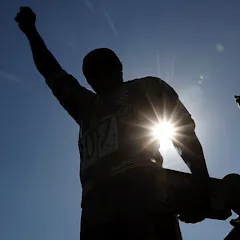
The International Olympic Committee’s Rule 50 still restricts the freedom of speech of athletes, despite the recently relaxed stipulations. A respected Olympian says the IOC must change its policy.
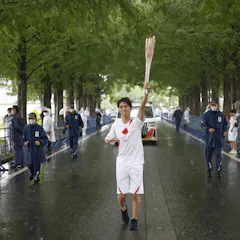
The decision to cancel the games lies ultimately with the International Olympic Committee – an extraordinary power that explains why Tokyo is pressing ahead.
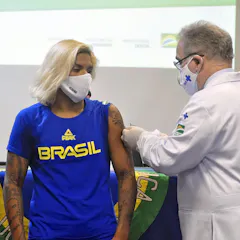
Japan is going through its fourth wave, testing rates are low and case numbers are climbing. Now athletes aren’t happy with the IOC’s plans to protect them.
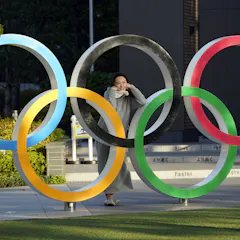
The majority of Japanese people are opposed to the games going ahead, but there’s more to the decision to hold the Olympics than public opinion.
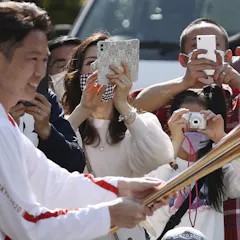
How Prime Minister Yoshihide Suga’s government handles the games may just determine its fate in elections this year.
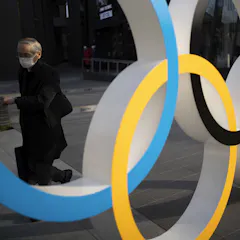
Still in the midst of a global pandemic, the International Olympic Committee’s dream of hosting the Tokyo Games in a “post-corona world” is not possible. But should the Games go ahead at all?
For elite athletes, even mild COVID-19 vaccine side effects can throw their training plans off course. But they can plan ahead.
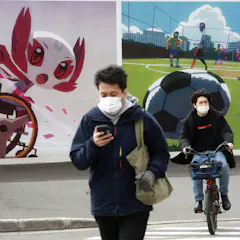
The International Olympic Committee has published a set of “playbooks” for keeping everyone safe at the Olympics
Top contributors
-

Fellow, Saint Mary’s University
-
Professor in Sociology of Sport and Gender, University of Waikato
-
Professor of Sports Law, Melbourne Law School, The University of Melbourne
-
Professor Emerita of Sociology and Equity Studies in Education, University of Toronto
-
Professor of AfroEurasian Sport, EM Lyon Business School
-
Professor, School of Psychological and Social Sciences, University of Waikato
-
Senior Lecturer, Faculty of Health Sciences and Sport, University of Stirling
-
Honorary Professor, School of Kinesiology, Western University, London, Canada; Adjunct Fellow, Olympic Scholar and Co-Director of the Olympic and Paralympic Research Centre, Institute for Health and Sport, Victoria University
-
Senior Lecturer, Modern European History and Sports History, Macquarie University
-
Assistant Professor, School of Media, Toronto Metropolitan University
-
Associate Professor of Sport Management, University of Technology Sydney
-
Professor Emeritus of Kinesiology and Physical Education, University of Toronto
-
Associate Professor, Gordon S. Lang School of Business and Economics, University of Guelph
-
Professor of Sport Management, University of Florida
-
Professor of Sport Management, University of Stirling