

Online abuse has been in the spotlight during this election campaign and AFL season. But researchers and policy-makers alike need to do more to understand cyberbullying against Indigenous Australians.
Articles on Indigenous health
Displaying 141 - 160 of 262 articles
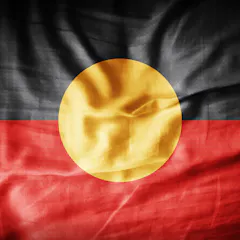
The Coalition and Labor have outlined their plans for Indigenous health spending. There are some worthwhile pledges, but these policy promises could better reflect what our First Nations people need.
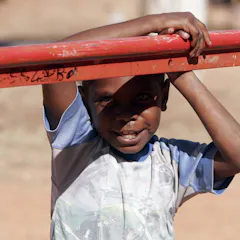
Almost half of Aboriginal kids living remotely will have a school sore at any one time. But there aren’t enough of the right antibiotics to treat them.

Poverty and social exclusion play a big role in Indigenous child suicide. The causes are complex but we know enough to act now to reduce the number of deaths in our communities.

Māori and Pasifika leaders’ experience of racism in government advisory groups suggests ongoing inequities in New Zealand health policy.

Some targets seem easier to meet than others, while some are just plain unreliable. Here are four things we’ve learnt from the last decade of Closing the Gap policy.
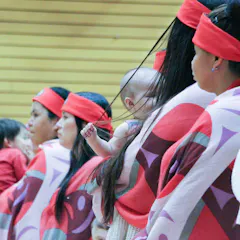
A design team at Emily Carr University worked with families from the Sḵwx̱wú7mesh (Squamish) Nation to support the development of healthy environments for children.
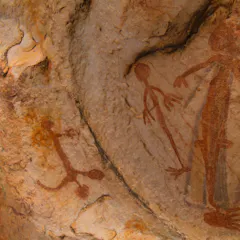
A diagnosis of mental illness is only one in a number of risk factors for suicide. And for Indigenous Australians, a history of dispossession and disempowerment plays a much bigger role.
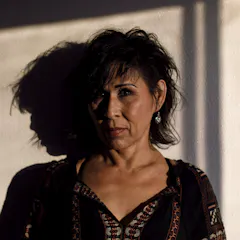
Recent revelations of the coerced sterilization of Indigenous women in Canada are part of a long, complex and disturbing history – in which feminism became a fight to keep one’s own children.
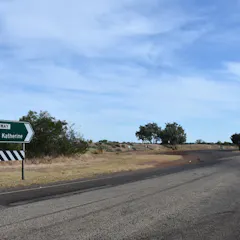
The NDIS has good intentions, but its design doesn’t seem to support the unique needs of Indigenous people living with a disability, particularly if they’re living in remote communities.

The NT has become the first jurisdiction in Australia to introduce a minimum price for alcohol.
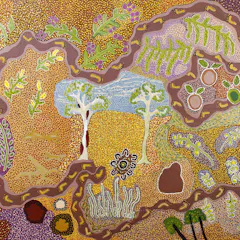
At least half the food eaten by the first Australians came from plants. And in terms of medicines, many different parts of plants were used.

Traditional Aboriginal healers are recognised as having special facilities for healing in childhood and are encouraged to develop their skills. They are often taught by their grandparents.

To deliver better housing for health, we must go back to what we know works, to the proven evidence-based solutions for design, construction, delivery and maintenance.
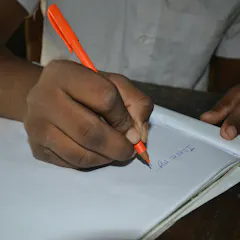
Young people in remote Aboriginal communities have high rates of STIs for a number of reasons, including inconsistent condom use and poor access to health services.
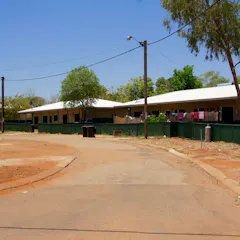
Decent housing underpins the Closing the Gap goals, with a decade-long national remote housing program having made measurable progress. If the Commonwealth pulls out now, hard-won gains could be lost.

New research assessing young people in WA detention found 89% were severely impaired in at least one area of brain function. One in three had fetal alcohol spectrum disorder (FASD).
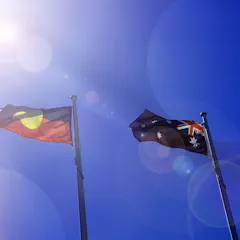
Politicians make sweeping statements on how to close the gap. But here’s advice from people working directly with Indigenous communities who have evidence for what actually works.
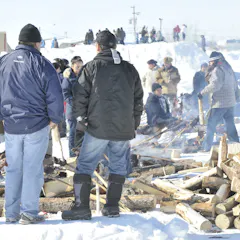
Like many Indigenous groups around the world, the James Bay Cree of northern Québec have a disproportionately high rate of diabetes. They’re facing it down with a decidedly Indigenous solution.
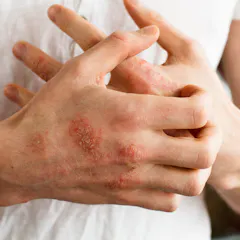
While school sores – or impetigo – is a treatable condition, if left untreated it can lead to much more serious illness such as kidney and heart disease.
Top contributors
-

Director of POCHE Centre for Indigenous Health, The University of Queensland
-
Team Lead, Healthy Skin and Acute Rheumatic Fever Prevention, The Kids Research Institute Australia
-
Purple House Medical Advisor. Honorary ANU., Australian National University
-
Associate Professor, Indigenous Studies, UNSW ; Macquarie University
-
ARC Research Fellow in Indigenous Health, Disability and Community Development, University of Sydney
-
Honorary Enterprise Professor, School of Population and Global Health, and Department of General Practice and Primary Care, The University of Melbourne
-
Professor, Public Health Policy, The University of Queensland
-
Scientia lecturer, UNSW
-
Associate Director of Research and Senior Fellow, Yardhura Walani, National Centre for Aboriginal and Torres Strait Islander Wellbeing Research, Australian National University
-
Senior Lecturer in Social Research and Policy, UNSW
-
Professor of Indigenous Health, Executive Director, Carumba Institute, Queensland University of Technology
-
Professor of Economics and Public Policy, ANU College of Arts and Social Sciences, Australian National University
-
Associate Professor in Public Health, The University of Queensland
-
Professor and Head Clinical Research Domain, Baker Heart and Diabetes Institute
-
Head of Diabetes Clinics, Baker Heart and Diabetes Institute