

The latest census data reveals valuable insights into Closing the Gap targets. While there’s some improvement in school attendance rates, all other indicators suggest a radical rethink is required.
Articles on Indigenous health
Displaying 161 - 180 of 262 articles
Infectious diseases pose a continual threat to Canadians. Ensuring the population stays healthy requires increasing investment in our public health system.

City living costs are driving people to organise themselves to share a room with strangers. These precarious living arrangements hardly qualify as a home.
Australia was ranked top of the world in terms of the efficiency of our health care system and health outcomes, but only seventh in terms of equity.

Much has been written about success of Indigenous players at elite levels of the game. But perhaps the more important story is one of Indigenous participation in grass roots and community football.

Up to 60% of people in some Indigenous Australian communities are infected with a parasitic worm that almost nobody has heard of, and without treatment, the infection can be fatal.
The number of Australians with chronic kidney disease is set to rise, but there’s no cure for most people. Here’s what you need to know about this silent killer.
One First Nations community stands out in northern Ontario, for its low rates of suicide and other mental health challenges. The residents say it’s all about their connection to the land.

The trial of the cashless welfare card, to control unhealthy spending in Indigenous communities, is being expanded partly due to emotive well-funded campaigns. Meanwhile, evidence is being ignored.
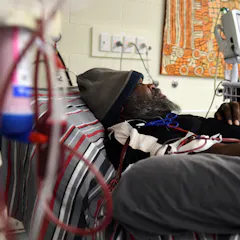
Like all good health care, improving health in remote settings requires an evidence base. But forcing all research questions into the randomised controlled trial model is not the answer.

Hepatitis B rates in Indigenous communities are ten times higher than the rest of Australia. Eliminating the infection from Indigenous Australia can make a significant contribution to closing the gap.

Our report shows poor hygiene in remote Indigenous communities is responsible for girls missing school during their periods due to lack of products and knowledge, and feelings of shame. .
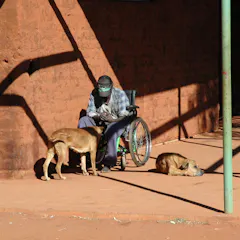
The NT Intervention has demonstrated how increased resourcing of health care for Indigenous Australians can lead to positive measurable change while, at the same time, showing how not to do it.

While other cancer rates fall or remain static, liver cancer is on the rise. Here’s why we need to start paying attention.

The Northern Territory Intervention implemented coercive measures that would have been unthinkable in other, non-Indigenous communities.

An independent expert provides his pick of the most notable drugs added to the PBS on May 1, 2017.
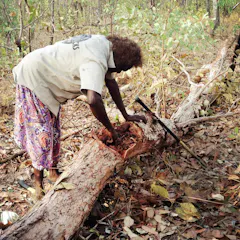
Some 20% of Aboriginal Australians suffer long term musculoskeletal pain and to date it has received little attention or recognition.
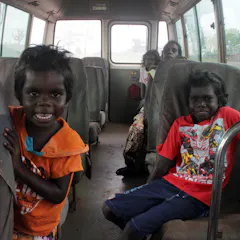
The report focus on the government’s own policies fails to acknowledge genuine differences of opinion on key issues such as constitutional recognition and income management.
Scabies was one of the scourges of those on the First Fleet, but no longer known for most in Australian society. However, in the far remote North, scabies infection is endemic.

The latest Productivity Commission health report reveals some serious problems with out-of-pocket health expenses as well as disparities between Indigenous and non-Indigenous health.
Top contributors
-

Director of POCHE Centre for Indigenous Health, The University of Queensland
-
Team Lead, Healthy Skin and Acute Rheumatic Fever Prevention, The Kids Research Institute Australia
-
Purple House Medical Advisor. Honorary ANU., Australian National University
-
Associate Professor, Indigenous Studies, UNSW ; Macquarie University
-
ARC Research Fellow in Indigenous Health, Disability and Community Development, University of Sydney
-
Honorary Enterprise Professor, School of Population and Global Health, and Department of General Practice and Primary Care, The University of Melbourne
-
Professor, Public Health Policy, The University of Queensland
-
Scientia lecturer, UNSW
-
Associate Director of Research and Senior Fellow, Yardhura Walani, National Centre for Aboriginal and Torres Strait Islander Wellbeing Research, Australian National University
-
Senior Lecturer in Social Research and Policy, UNSW
-
Professor of Indigenous Health, Executive Director, Carumba Institute, Queensland University of Technology
-
Professor of Economics and Public Policy, ANU College of Arts and Social Sciences, Australian National University
-
Associate Professor in Public Health, The University of Queensland
-
Professor and Head Clinical Research Domain, Baker Heart and Diabetes Institute
-
Head of Diabetes Clinics, Baker Heart and Diabetes Institute