

Calling Ksi Lisims a “nation-building” project masks unresolved questions about who benefits, who bears the risks and how the project fits into a rapidly changing global liquefied natural gas market.
Articles on Indigenous
Displaying 41 - 60 of 759 articles
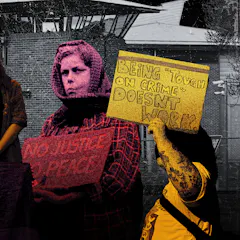
More First Nations people have died in custody in the past year than in any since 1980. It’s the inevitable result of policies that flout evidence of what would help.
A review of 127 studies from around the world found the challenges are more pronounced in mainstream organisations.
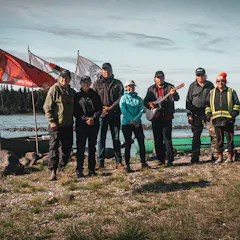
Ontario’s Bill 5 eliminates key environmental protections and grants the provincial government sweeping powers to fast-track development with little to no oversight.

Despite a decade of commitments, audits and Calls to Action, the federal government has failed to deliver meaningful and measurable improvements in First Nations health services.
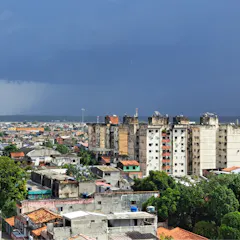
The realities of climate and land use change are jarringly obvious in Amazonia.
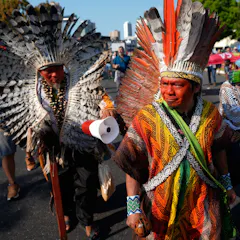
The UN climate conference in the Brazilian Amazon marks an unprecedented effort to elevate Indigenous concerns in negotiating rooms and on the streets.
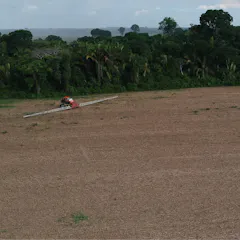
A study argues that the use of glyphosate produces a slow form of chemical violence that suffocates people, ecosystems and ways of life. This violence forces riverside communities to leave and makes way for soya to advance.
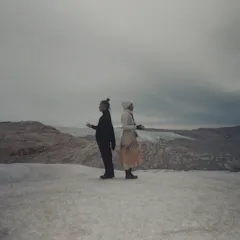
How activists and artists across the world are challenging popular, generalised climate memes, such as those of melting and sinking.
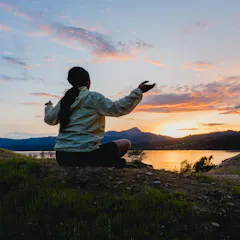
While the rest of nature rises and slumbers to lunar and solar cycles, humans work and sleep to the resetting of their artificial clocks.
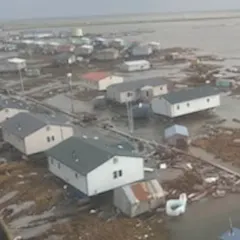
‘As the storm approached Alaska, everything went sideways,’ leaving people no time to evacuate and little time to prepare. An Alaska meteorologist explains what happened and the challenges ahead.
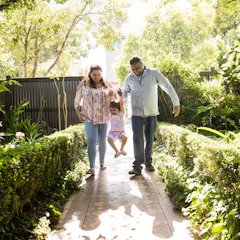
The Family Wellbeing Program has decades of evidence backing it to help Indigenous people live better lives. Here’s how it works.
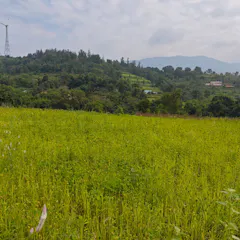
Defending land and seed sovereignty could be a clear form of reparation for India’s Indigenous farmers.

Scientists have been exploring the role that neuroscience plays in ocean navigation.
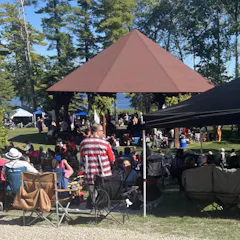
Archives are full of letters from Curve Lake dating back to the 19th century, demanding better pay for teachers, requesting Indigenous teachers and even asking for their own school boards.

Cancer. Diabetes. Aging itself. Rapamycin’s potential to treat an array of diseases has been a source of scientific fascination. But many aren’t aware of its origins – and its complicated legacy.
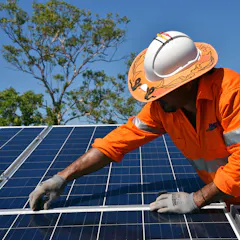
Energy stress is a significantly bigger problem for Indigenous households. Indigenous communities also need a genuine say on renewable or mineral projects on their land.

Indigenous forest management practices can help control wildfires’ frequency and severity, while also restoring people’s connections to the land.

Evacuations do not impact everyone the same way, and Indigenous evacuees can be re-traumatized and treated poorly.

The challenge is not firefighting capacity nor convincing people to help; it is coordinating efforts to prioritize safety and efficiency.
Top contributors
-

Professor of Law, University of Technology Sydney
-
Professorial Fellow, University of Canberra
-
Professor of Political Science, University of Guelph
-
Professor of Economics and Public Policy, ANU College of Arts and Social Sciences, Australian National University
-
Associate professor, McGill University
-
Professor, Faculty of Education, University of Manitoba
-
Assistant Professor, Indigenous Methodologies, Chanie Wenjack School of Indigenous Studies, Trent University
-
Associate Professor, Departments of History and Indigenous Studies, University of Manitoba
-
Professorial Fellow, Jumbunna IHL, University of Technology Sydney
-
Associate Professor, UNSW
-
Executive Co-Director, UNU Hub on Empowering Communities to Adapt to Environmental Change, United Nations University; University of Calgary
-
Professor, Critical Indigenous Studies and Director of The Centre for Global Indigenous Futures, Macquarie University
-
Professor of History, University of Illinois Urbana-Champaign
-
Associate Professor of Public Policy, Crawford School of Public Policy, Australian National University
-
Emeritus Distinguished Professor of Archaeology, Simon Fraser University