
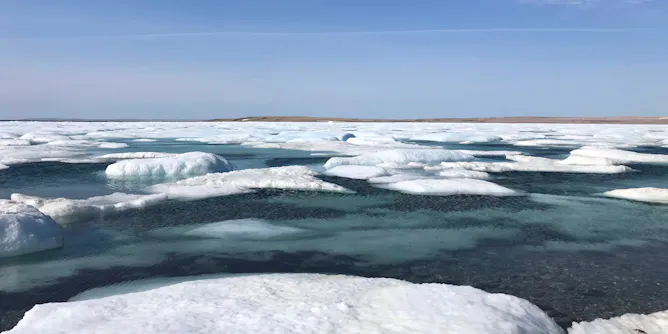
Given increasing geopolitical tensions and economic interest in the region, how can academic research support those who live in and depend on the Arctic?
Articles on Indigenous
Displaying 21 - 40 of 759 articles
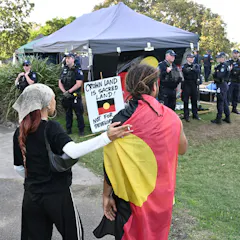
Victoria Park is one of the most significant Indigenous sites in Brisbane, which is why so many are against the development of the Olympic stadium.
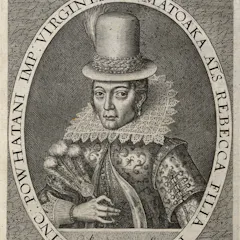
The English assumed people they colonized would convert to their way of life, including Protestant Christianity – an assumption reflected in Pocahontas’ portrait.
Literature about royal animals was used in workshops to imagine better futures.

Indigenous communities have long fought to control their own education. A scholar traces that history and examines what a new Inuit-led university could mean for Inuit self-determination.
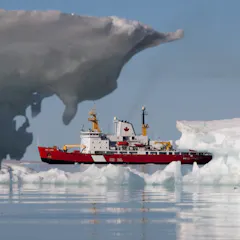
As more ships and tankers sail through the Arctic, the chances of oil spills increase. Canada should take action to prepare for a spill before it occurs.
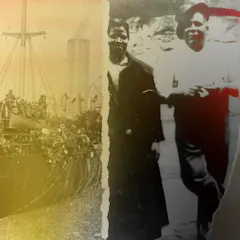
More than 1,000 Aboriginal Australians served in WWI – but unlike white soldiers, they weren’t feted as heroes. They responded with collective activism.

NASA’s Artemis II mission has revived lunar ambition – and a potential new race between nations. Very different visions now complicate the human future of space.

The Nuclear Waste Management Organization has proposed building a nuclear waste repository at a site in northern Ontario. But nearby First Nations say they weren’t consulted.
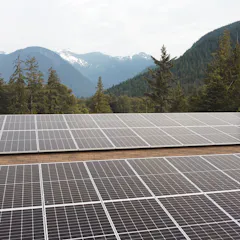
Indigenous-owned renewable energy projects are growing quickly in Canada. New research suggests they could enable widespread acceptance of energy transitions.
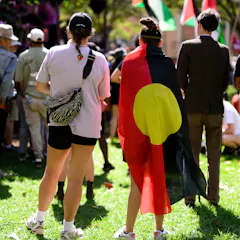
Latest data show First Nations women are much more likely to be killed than non-Indigenous women. It demands action.
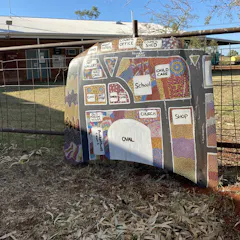
New national research shows unmet housing need among First Nations households is double the rate of other Australians. But there are solutions.

Native American lands contain 30% of the nation’s coal, 50% of its uranium and 20% of its natural gas, as well as copper, lithium and rare earth elements.
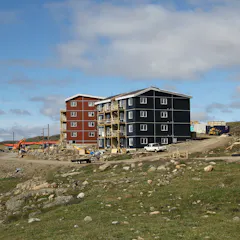
As Canada rushes to build housing similar to the post-Second World War era, it must not forget how many chronic economic, health and housing challenges that onetime boom created for the North.
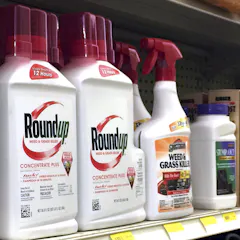
The recent retraction of peer-reviewed research claiming glyphosate is safe confirms what Indigenous communities have said for years.

The Indigenous Seniors Research Committee examined the housing and care needs of Indigenous older adults in Winnipeg, Manitoba. And the evidence suggests a housing crisis that is economic and cultural.
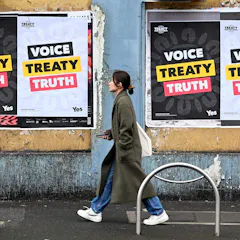
Democracies thrive on adapting and changing to new injustices and problems. The failure of the Voice referendum raises questions about Australia’s democratic health.
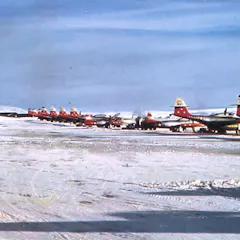
In 1951, the French Explorer Jean Malaurie witnessed the building of a US military base in Greenland in near total secrecy, which marked an irreversible turning point for Inuit societies.
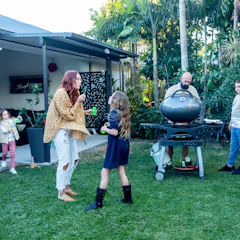
Sometimes the bravest and most important thing you can do is cook dinner and gather with the people you love.

Protecting heritage in Canada requires training more archeologists and equipping them with the tools and education to do so.
Top contributors
-

Professor of Law, University of Technology Sydney
-
Professorial Fellow, University of Canberra
-
Professor of Political Science, University of Guelph
-
Professor of Economics and Public Policy, ANU College of Arts and Social Sciences, Australian National University
-
Associate professor, McGill University
-
Professor, Faculty of Education, University of Manitoba
-
Assistant Professor, Indigenous Methodologies, Chanie Wenjack School of Indigenous Studies, Trent University
-
Associate Professor, Departments of History and Indigenous Studies, University of Manitoba
-
Professorial Fellow, Jumbunna IHL, University of Technology Sydney
-
Associate Professor, UNSW
-
Executive Co-Director, UNU Hub on Empowering Communities to Adapt to Environmental Change, United Nations University; University of Calgary
-
Professor, Critical Indigenous Studies and Director of The Centre for Global Indigenous Futures, Macquarie University
-
Professor of History, University of Illinois Urbana-Champaign
-
Associate Professor of Public Policy, Crawford School of Public Policy, Australian National University
-
Emeritus Distinguished Professor of Archaeology, Simon Fraser University