

Why do some people stay sharp into old age while others decline? The “orchid and dandelion” phenomenon may help reveal how tailored environments could drive better cognitive health for all.
Articles on Healthy aging
Displaying 21 - 40 of 44 articles

Both men have faced criticism about what can appear to be obvious signs of aging, including questions about their memory and cognitive abilities.

It’s time for aerobics to share the spotlight with weightlifting as a form of exercise that promotes health and may be de rigueur as we age.

Concussions can teach researchers a great deal about how the brain recovers after injury and offer insights into how people can promote brain health throughout their lives.
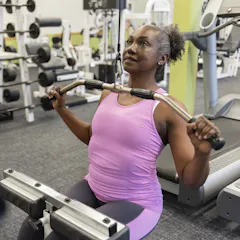
Weightlifting and other forms of resistance training can help stave off loss of muscle mass and other age-related physical decline.
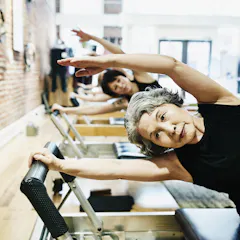
It’s long been known that exercise helps maintain strength and agility as we age. New research points to the importance of exercise type in supporting cognitive health in the latest decades of life.

While there is no guarantee of warding off cognitive decline, encouraging people to be physically, mentally and socially active could potentially keep a significant number of dementia cases at bay.

Lifestyle factors like physical activity, diet and sleep can lower the ‘biological age’ of your cells and tissues and reduce age-related physical decline.

Many studies show that consistent meditation practice lowers depression, anxiety and self-criticism.

Aging is a major risk factor for many chronic diseases. Figuring out what influences longevity and how to identify rapid agers could lead to healthier and longer lives for more people.

Middle age means staying a step ahead on both the medical and financial fronts.

Researchers are trying to understand whether ultraprocessed foods erode brain health in the aging process.

Short, frequent walks throughout the day are key to helping prevent the harmful effects of a sedentary lifestyle.

Dancing requires physical, social and cognitive engagement and, as a result, it may bolster a wide network of brain regions.
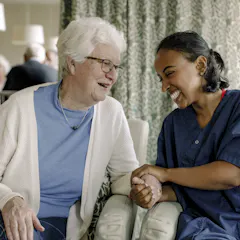
Social isolation and loneliness in aging adults have been linked to numerous physical and mental health ailments. Teaching students how to listen deeply to older people can lessen those effects.

New research shows that people who suffer from mental disorders earlier in life were more likely to subsequent develop physical diseases, age faster, and also die earlier than those who did not.
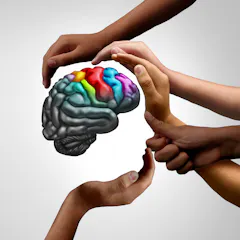
‘Dementia friendly’ communities seek to support people with memory loss, recognize them as equals, celebrate their contributions and enable them to live with purpose in welcoming communities.

A research lab at Tufts University is trying to find out how the vitamin may protect against age-related disease.

Americans 65 and older are living longer. The change toward longer old age in the U.S. will have profound effects on health care needs, families and what it means to be old.

People often associate the holidays with children, leaving older adults out of mind, but there’s reason to pay attention to them at this time of year. They are a prime target for financial scammers.
Top contributors
-

Assistant Professor of Geriatric Medicine, University of Pittsburgh
-
Regents and Distinguished Professor of Environmental and Occupational Health, Texas A&M University
-
Associate Professor of Neurology, University of Pittsburgh
-
Senior Researcher in Orthopedic Surgery, Washington University in St. Louis
-
Professor of Clinical and Health Psychology, University of Florida
-
PhD Candidate in Clinical and Health Psychology, University of Florida
-
Assistant Professor of Exercise Physiology, Mississippi State University
-
Assistant Professor of Sociology, Florida State University
-
Professor, Kinesiology, Tier 1 Canada Research Chair in Skeletal Muscle Health, McMaster University
-
Professor of Public Health, Texas A&M University
-
Professor of Cognitive Psychology, Florida State University
-
Postdoctoral fellow, Duke University
-
Assistant Professor of Physical Therapy and Rehabilitation Sciences, Drexel University
-
Speech Language Pathologist and Cognitive Rehabilitation Specialist, Marcus Institute for Brain Health; Instructor, University of Colorado Anschutz
-
Assistant Professor of Psychology, University of Michigan